Guide to Growing Fruit-Bearing Bonsai | Enjoying the Fruit of Hime Apple, Rouyakaki, and Pyracantha
A comprehensive guide to growing fruit-bearing bonsai. Introduces how to select representative tree species such as hime apple, rouyakaki, and pyracantha, pruning and fertilization techniques for fruit bearing, pollination tips, and points for appreciation.
Key Takeaways
A comprehensive guide to growing fruit-bearing bonsai. Introduces how to select representative tree species such as hime apple, rouyakaki, and pyracantha, pruning and fertilization techniques for fruit bearing, pollination tips, and points for appreciation.
Related Species
The appeal of bonsai is not limited to its form and the beauty of its leaves. Fruit-bearing bonsai, which produces colorful fruit in small pots, brings warmth and color to gardens and interiors from autumn through winter, and has enduring popularity among enthusiasts.
The appeal of fruit-bearing bonsai lies in the fact that you can dramatically experience the changing seasons in a single pot, from spring flowering through fruit set and color development. However, to ensure stable flowering and fruit production year after year, you must master species-specific techniques in each step: pruning, fertilization, and pollination. If you are new to bonsai, it is helpful to first read the Bonsai Beginner's Guide to better understand the content that follows. This article provides a detailed explanation from the characteristics of representative tree species to practical management tips.
Representative Fruit-Bearing Bonsai Species and How to Choose
There are many diverse types of fruit-bearing bonsai, each with different fruit colors, shapes, and fruiting periods. Choosing a species that matches your lifestyle and preferences is the first step to enjoying them long-term.
- Hime Apple: Produces delicate white flowers in spring and red fruit about 2 cm in diameter in autumn. Popular with beginners for its charming form and abundant fruiting. It is self-incompatible, so planting two different varieties ensures reliable fruit set.
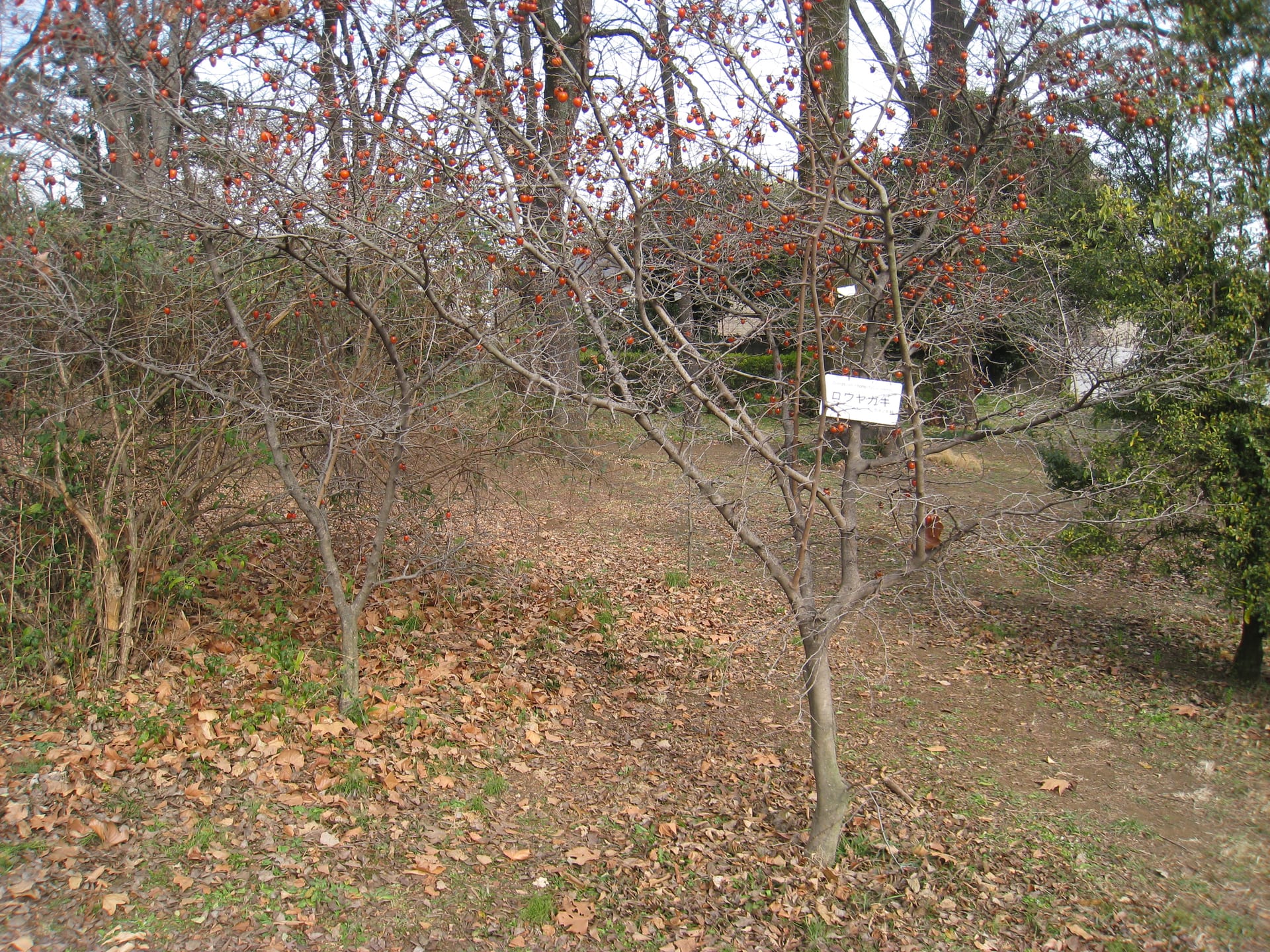
- Rouyakaki: Produces beautiful small persimmon fruit that changes color from red to orange to yellow in late autumn. Since it is dioecious, a male plant or pollinator tree is required. This is a species for intermediate to advanced growers who enjoy the color changes.
- Pyracantha: Small red or orange fruit clusters densely together in bunches, creating striking color. Self-fertile and fruits readily on a single plant, and is easy to manage. One of the most recommended species for beginners.
- Umemodoki: After the leaves fall in late autumn, bright red fruit remains on the branches, creating a striking winter landscape. Since it is dioecious, a male plant must be secured.
- Mayumi: The charm lies in its unique fruit that splits to reveal red seeds inside in autumn. Since it can be enjoyed alongside autumn foliage, you can fully appreciate the season's character.
- Gumi: Produces red fruit from spring through early summer. It is edible, so there is also the fun of growing it together with children.
When selecting a species, it is important to first confirm whether it is dioecious and whether it is self-fertile. Dioecious species (such as rouyakaki and umemodoki) require either a separate male plant or the work of hand pollination.
Pruning and Branch Management for Fruit Production
The most important aspect of managing fruit-bearing bonsai is pruning. Improper pruning can remove flower buds along with branches, causing loss of fruit for that year. Understanding how flower buds form on each species is the key to consistent fruiting. Basic pruning concepts are also explained in Bonsai Pruning and Wiring Basics, so please refer to that as well.
Understanding Flower Bud Placement
- Species with flower buds on short fruiting spurs (hime apple, pyracantha, etc.): Flower buds form near the tips of short branches that grew the previous year. If these branches are cut back too much during winter pruning, the flower buds are lost, so trim them while leaving the tips intact.
- Species with flowers at the base of current-year branches (such as rouyakaki): It is important to clean up old branches in winter to promote new growth. You must maintain tree shape while renewing branches.
Timing and Cautions for Pruning
- Lightly cut back spring growth around June to promote flower bud differentiation for the next year
- Remove vigorous upright growth (leggy shoots) early. They are a major cause of nutrient loss and poor flower bud formation.
- Cutting back at the same spot every year causes branch collars to thicken and appearance to deteriorate. Varying the pruning position year by year allows branches to develop naturally.
- Pruning while fruit is present easily causes fruit drop, so the basic rule is to work after harvest or after fruit has naturally fallen.
Enhance Fruiting Power Through Fertilization and Watering
Proper nutrition management is essential for fruit-bearing bonsai to produce abundant fruit year after year. The balance of nutrients and timing of fertilization are critical to fruiting success.
Fertilization Basics
- Spring (bud break to pre-flowering): Apply fertilizers rich in phosphorus and potassium. This is an important period for root development and flower bud formation.
- During flowering: Reduce fertilization. Excess nutrients can cause flower drop.
- After flowering through summer: Resume regular fertilization to support fruit development. Slow-release solid fertilizers are easiest to manage.
- Autumn (fruit coloring period): Stop fertilizing. Continued fertilization delays color development and promotes fruit drop.
Excessive nitrogen causes "tree stupor" (overgrown foliage with poor flowering). Using slow-release organic fertilizer as your base and supplementing with liquid fertilizer in spring and after flowering helps maintain balance. For more detailed information on fertilizer selection, see Bonsai Fertilizer Explained in Depth.
Watering Cautions
- The basic rule is to water thoroughly when the soil surface dries. In summer, watering may be needed twice daily (morning and evening).
- Pay special attention to avoid drying out during fruiting. Prolonged drought easily causes fruit drop.
- Do not water flowers directly during flowering. This damages pollinating flowers and reduces fruit set.
Practical Techniques for Successful Pollination
Pollination is the first step where many gardeners struggle with fruit-bearing bonsai. If managed outdoors, insects naturally pollinate, but for balcony or indoor management, hand pollination is necessary.
Hand Pollination Steps
- Work right after flowers open (in the morning). This is when pollen is most active.
- Use a fine brush or cotton swab to gently collect pollen from the stamens.
- Gently press the collected pollen onto the stigma of the pistil.
- Repeat pollination on multiple flowers to increase fruit set.
Pollination Tips by Species
- Hime apple: Since it is self-incompatible, always cross-pollinate between different varieties. Ideally, have two varieties with overlapping bloom times.
- Rouyakaki and umemodoki: A male plant is essential since they are dioecious. It is convenient to collect and freeze pollen when male flowers bloom.
- Pyracantha: Self-fertile, so a single plant produces abundant fruit.
After successful pollination, small fruit rapidly begins to swell. If there is too much fruit, thin it out so remaining fruit concentrates nutrients and develops larger, more colorful fruit. Aim to thin to 1-2 fruit per 10 cm of branch length.
Summary | Enjoying Fruit-Bearing Bonsai Long-Term
When you understand the "why" behind each step—pruning, fertilization, and pollination—caring for fruit-bearing bonsai becomes far more enjoyable.
- Pruning: Understand flower bud placement for each species and avoid excessive cutting.
- Fertilization: Avoid excess nitrogen and be mindful of timing before and after flowering.
- Pollination: Confirm whether the species is dioecious or self-incompatible and hand pollinate as needed.
- Watering: Pay special attention to preventing drought during flowering and fruit development.
The moment when the tree you have tended with care throughout the year bears fruit colored by autumn sunlight is truly special. Through GrowerDirect, you can purchase fruit-bearing bonsai such as hime apple and rouyakaki directly from specialist growers, and you can also consult directly with producers about selecting well-fruiting individuals and care methods suited to each species. From choosing your first fruit-bearing bonsai to enriching your collection, please take advantage of GrowerDirect.