Care Guide for True Myrtle and Chinese Juniper Bonsai | Shari-Jin Technique and Complete Management
A detailed guide to caring for true myrtle (Shinpaku) and Chinese juniper (Tosho), two of the most representative evergreen conifer bonsai. We introduce the creation of Shari-Jin techniques and lime-sulfur treatment, wiring and shaping, and seasonal management tips.
Key Takeaways
A detailed guide to caring for true myrtle (Shinpaku) and Chinese juniper (Tosho), two of the most representative evergreen conifer bonsai. We introduce the creation of Shari-Jin techniques and lime-sulfur treatment, wiring and shaping, and seasonal management tips.
Related Species
The Appeal of Conifer Bonsai and Representative Species
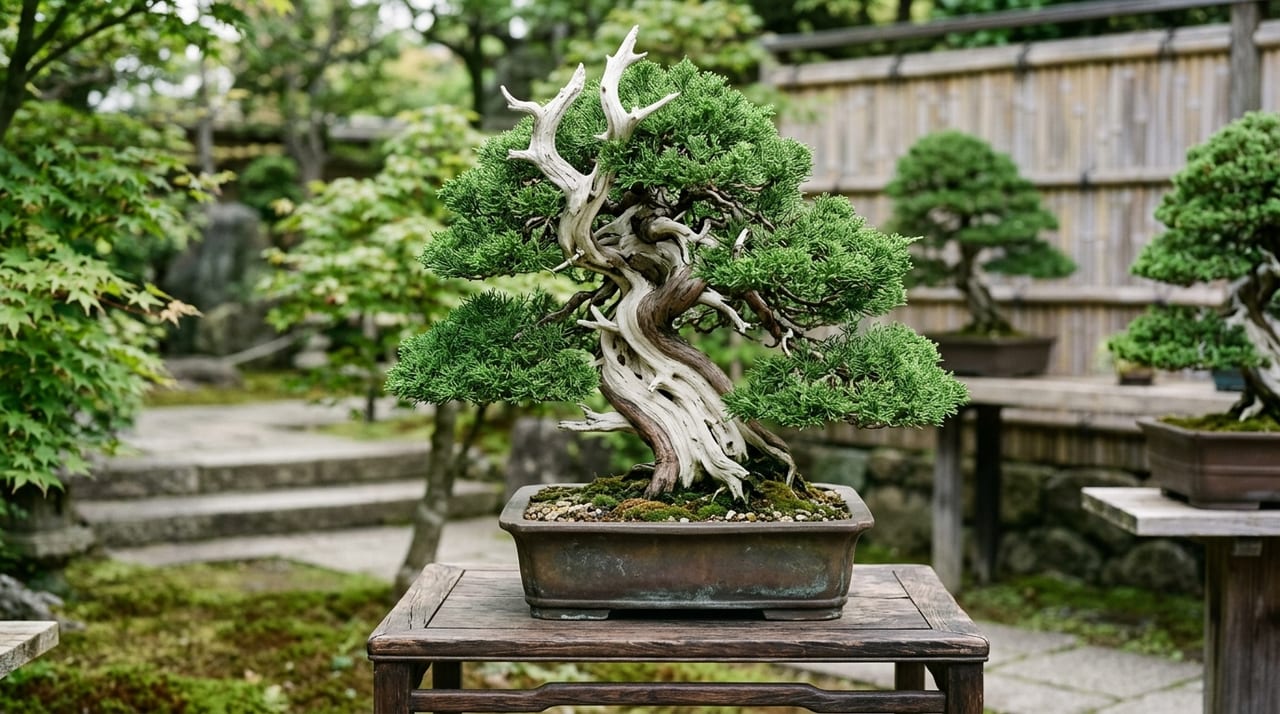
Conifer bonsai are cherished by enthusiasts worldwide because their evergreen foliage can be admired year-round, and the unique beauty created by white deadwood sections called "shari (舎利)" and "jin (神)" on the trunk creates unparalleled character. The powerful form, as if condensing a rugged natural landscape into the palm of your hand, is a world unique to conifer bonsai.
True Myrtle (Shinpaku) is an evergreen conifer of the Cupressaceae family (Juniperus chinensis) characterized by fine, scale-like foliage and naturally occurring white trunks (shari and jin). It is one of the most popular species in the bonsai world, and the contrast between its rigid trunk pattern and delicate foliage has captivated many artists. It consistently ranks at the top of exhibitions both domestically and internationally, and can be enjoyed by beginners and advanced enthusiasts alike. If you're starting bonsai for the first time, refer to 10 Recommended Bonsai Species for Beginners to better understand your compatibility with true myrtle.
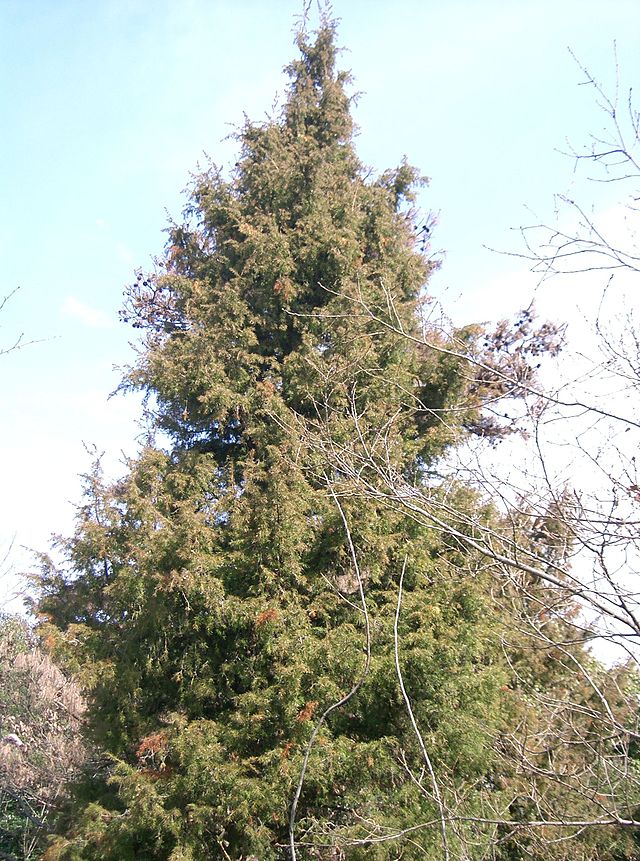
Chinese Juniper (Tosho) is a juniper of the Cupressaceae family, characterized by fine needle-like foliage and rugged trunk patterns. Its leaf shape differs significantly from true myrtle, with sharp, pointed leaf tips that create a sense of tension and atmosphere. The trunk movement appears naturally, and material hunting is easier, making it ideal for beginners.
Fundamentals of Soil, Placement, and Watering
Proper environmental setup is essential for healthy growth.
Soil should prioritize drainage. Pure akadama or a 70:30 blend of akadama and Kiryu sand is the standard. If you want to increase water retention, mix in about 10% leaf mold, but be cautious as excess moisture causes root rot. Layering coarser akadama or perlite at the pot bottom further improves drainage. For compact, miniature bonsai, the soil approaches discussed in The Charm and Care of Mame Bonsai can also be applied.
Placement should be in a well-lit, sunny outdoor location year-round. Strong summer sunlight in particular is crucial for developing full foliage and fine branching. Both true myrtle and Chinese juniper become leggy and lose shape without adequate light. Winter outdoor placement is essential; bringing them indoors disrupts spring budbreak and rapidly weakens the tree.
Watering follows the basic principle of "water thoroughly when the soil surface dries." Water until it drains from the pot bottom. During hot summers, water twice daily (morning and evening); in winter, 1–2 times weekly is sufficient. Misting the foliage helps prevent pests and diseases and improves leaf color and shine.
Annual Care Schedule
Spring (March–May)
This is the primary growing season and most critical period for annual management. Apply solid fertilizer (top-dressing) twice monthly to provide adequate nutrition. As new shoots extend, pinch them back, leaving 1–2 nodes, to promote fine branching.
Repotting should be done every 2–3 years, ideally in April just before buds break. Loosen old roots, remove damaged ones, then plant in fresh soil. After repotting, keep the tree in bright shade away from direct sun for 1–2 weeks, then return to its normal location.
Summer (June–August)
Both true myrtle and Chinese juniper require full sun exposure. Strong light develops full foliage and reveals fine branching. They tolerate heat and humidity relatively well, but ensure good air circulation to prevent pests and disease. Reduce fertilizer to prevent excessive, leggy growth.
Autumn (September–November)
Growth slows during this period. Select potassium-rich fertilizer to promote healthy root development. Organize fine branches and assess the tree's shape, preparing for winter. Remove leggy branches early and prune with an eye toward next year's bud placement.
Winter (December–February)
Winter dormancy is necessary for true myrtle and Chinese juniper. They tolerate frost and snow without issue, and moderate cold actually promotes vigorous spring budbreak. However, prolonged hard freezing can damage roots. In cold climates, protect the pot with frost cloth or manage it in a covered outdoor space.
Creating Shari (Deadwood Trunk) and Jin (Deadwood Branches)
Shari and jin are the most important techniques in true myrtle bonsai expression, and the skill of experienced artists shines through these white deadwood sections.
Shari is created by stripping bark from part of the trunk and intentionally exposing the white wood beneath. In nature, this occurs through lightning strikes, insects, wind, and snow, but in bonsai, the artist deliberately carves it with chisels or carving tools. The flow of shari determines the vitality of the entire tree, so carefully plan your design before beginning.
Jin consists of deadwood at the branch tip. Leave a living branch tip and strip the bark lengthwise using pliers or a jin-stripping tool to expose the wood. Create a wispy, fiber-like texture to mimic natural deadwood appearance.
Work Steps:
- Carefully strip bark from the target area using a knife or carving tool
- Once wood is exposed, brush lime-sulfur compound over it to protect and maintain white appearance
- Reapply the compound once or twice yearly (spring or autumn) to preserve whiteness and fungal protection
Perform this work during periods of strong tree vigor (late spring growth through early summer is ideal). Avoid treating weak trees or those recently repotted. Over-carving damages the cambium (water-conducting layer), leading to branch dieback and tree decline. For beginners, practice on small areas first. Once comfortable with shari and jin, advance to techniques like The Complete Guide to Bonsai Air Layering to reshape the tree from scratch.
Common Beginner Mistakes and How to Avoid Them
Indoor placement is the most frequent error. True myrtle and Chinese juniper must be kept outdoors; indoors, insufficient light and air circulation cause decline within six months. Outdoor placement year-round is essential for healthy growth.
Overwatering and underwatering are opposing problems but both harm roots. Follow the "water thoroughly when dry" principle, watering until it drains from the bottom, so roots always receive fresh water and air. Never allow water to sit in the saucer.
Excessive pruning also severely weakens the tree. Avoid removing more than half the foliage at once; gradually prune while monitoring overall leaf mass. For old trees or those with sparse fine roots, never combine repotting and heavy pruning in the same year.
Fertilizer errors include excessive nitrogen causing leggy growth. Apply balanced fertilizer (nitrogen, phosphorus, potassium) mainly in spring and autumn, and reduce in peak summer to develop tight, dense branches and foliage.
Conclusion
With proper outdoor care and consistent annual management, true myrtle and Chinese juniper bonsai can be enjoyed for decades or even centuries. Shari and jin creation is a distinctive bonsai technique, and the joy of developing your own unique tree form over years is irreplaceable. There is no rush—converse with your tree and gradually refine its shape. This is the essence of conifer bonsai. Master the fundamentals and patiently nurture over time, and eventually a tree bearing your own distinct character will be complete. In 2026, continue steady care matched to seasonal changes.