10 Recommended Bonsai Tree Species for Beginners | A Beginner's Guide to Choosing by Ease of Care
For beginners wanting to start bonsai. We introduce easy-to-grow tree species in ranking format, including black pine, Japanese maple, Japanese elm, and cherry. We explain the characteristics of each species, watering frequency, and pruning tips.
Key Takeaways
For beginners wanting to start bonsai. We introduce easy-to-grow tree species in ranking format, including black pine, Japanese maple, Japanese elm, and cherry. We explain the characteristics of each species, watering frequency, and pruning tips.
Related Species
When people hear "bonsai," many imagine it to be "difficult to prune," "tedious to maintain," or "expensive." However, in reality, if you choose the right tree species, even beginners can fully enjoy the beauty of bonsai. The key is to "start with an easy-to-grow species that suits your environment." In this article, we carefully select 10 species especially recommended for beginners and introduce each with its distinctive characteristics and care tips.
Three Criteria for Choosing Tree Species as a Beginner
Selecting the right tree species from the start is crucial for maintaining a long-lasting bonsai hobby. Keeping these three criteria in mind when choosing will minimize failures.
1. Does it have strong environmental adaptability?
Beginners often forget to water occasionally, or can't move the tree when seasons change—such mishaps are common. By choosing a species that is resistant to drought and temperature fluctuations, you can handle minor setbacks without losing the tree.
2. Does it grow vigorously and provide a sense of accomplishment?
One of the joys of bonsai is shaping the tree yourself through pruning and bud-pinching. Fast-growing species offer more opportunities for such work and allow you to quickly develop a feel for management techniques.
3. Is it readily available and is information abundant?
Species that are easy to find at garden centers or bonsai specialty shops, and for which plenty of care information is available in books and online, give you peace of mind when you need advice.
10 Recommended Species | Characteristics and Care Tips
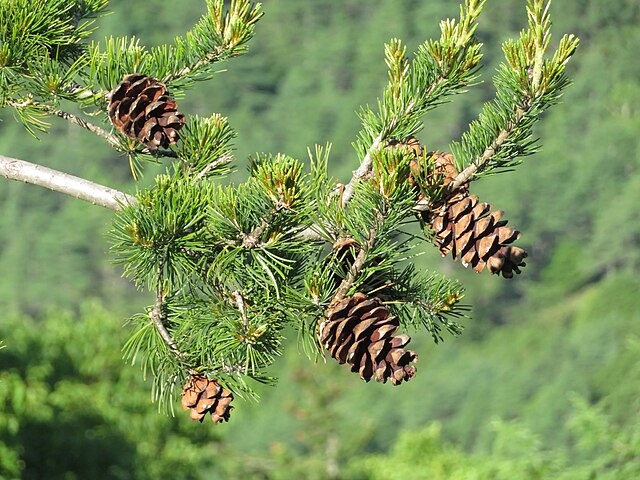
1. Five-Needle Pine (Goyo-Matsu)
One of Japan's iconic bonsai pines. Growth is slow, and the tree form remains stable—once shaped, you can enjoy it for years. Hardy in dry conditions, requiring basic outdoor placement in a sunny, well-ventilated spot. Varieties with short needles are particularly beautiful and offer a refined, Japanese aesthetic. Beginners appreciate how little hands-on work this species demands.
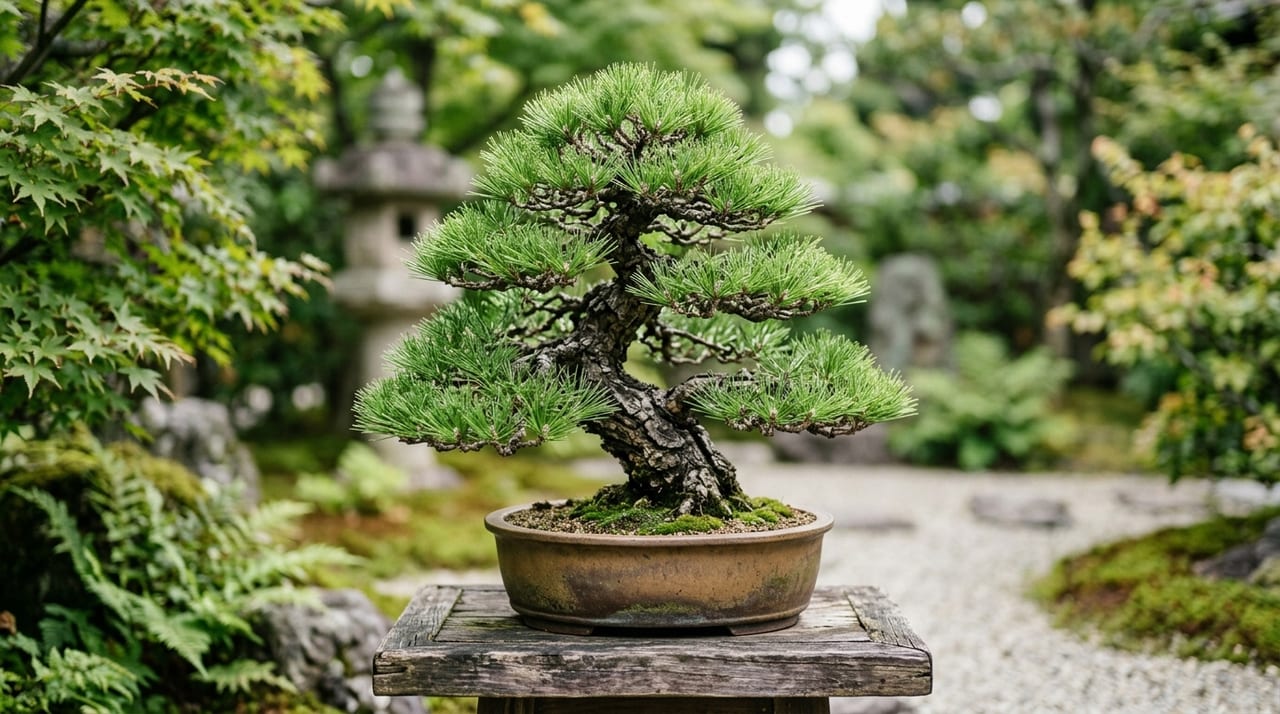
2. Black Pine (Kuro-Matsu)
Popular for its strong, majestic appearance. Compared to five-needle pine, it grows faster, making it ideal for practicing practical bonsai techniques like "bud-cutting." It adapts so well to its environment that it naturally grows along coastal areas—a beginner-friendly species that nonetheless reveals deeper complexity as your skills advance, offering a lifetime of enjoyment.
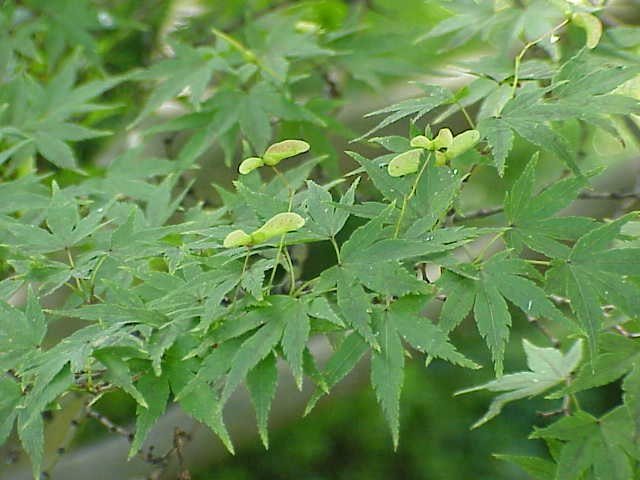
3. Japanese Maple (Moiji/Iroha-Moiji)
A deciduous tree offering four seasons of beauty: spring buds, summer deep green, and autumn color. Vigorous growth makes pruning rewarding, and it's perfect for practicing tree-form development. It's well-suited to experimenting with bonsai-specific techniques like leaf-cutting and short-leaf methods. Ideally, keep it outdoors in a sunny, well-ventilated location.
4. Japanese Elm (Keyaki)
A deciduous tree distinguished by its delicate, spreading branches. The "broom-style" (hoki-tachi) fan-shaped form is particularly beautiful. Fast growth and finely-branching twigs allow you to create a graceful Japanese-aesthetic form relatively quickly. Since this species loves water, be mindful of drying out during summer.
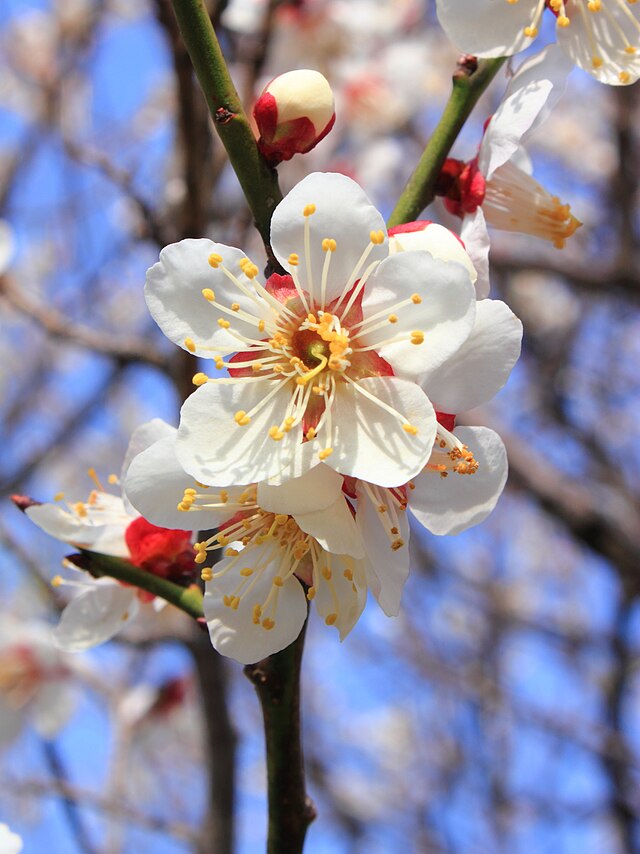
5. Plum (Ume)
Flowers blooming from winter into early spring are its greatest appeal. It's long been a favorite introductory flowering bonsai, and the "yabai" variety is known for being hardy and easy to grow. Once you learn the pruning timing—immediately after flowering—care is straightforward. The sweet fragrance makes it a special pleasure to bring indoors for viewing.
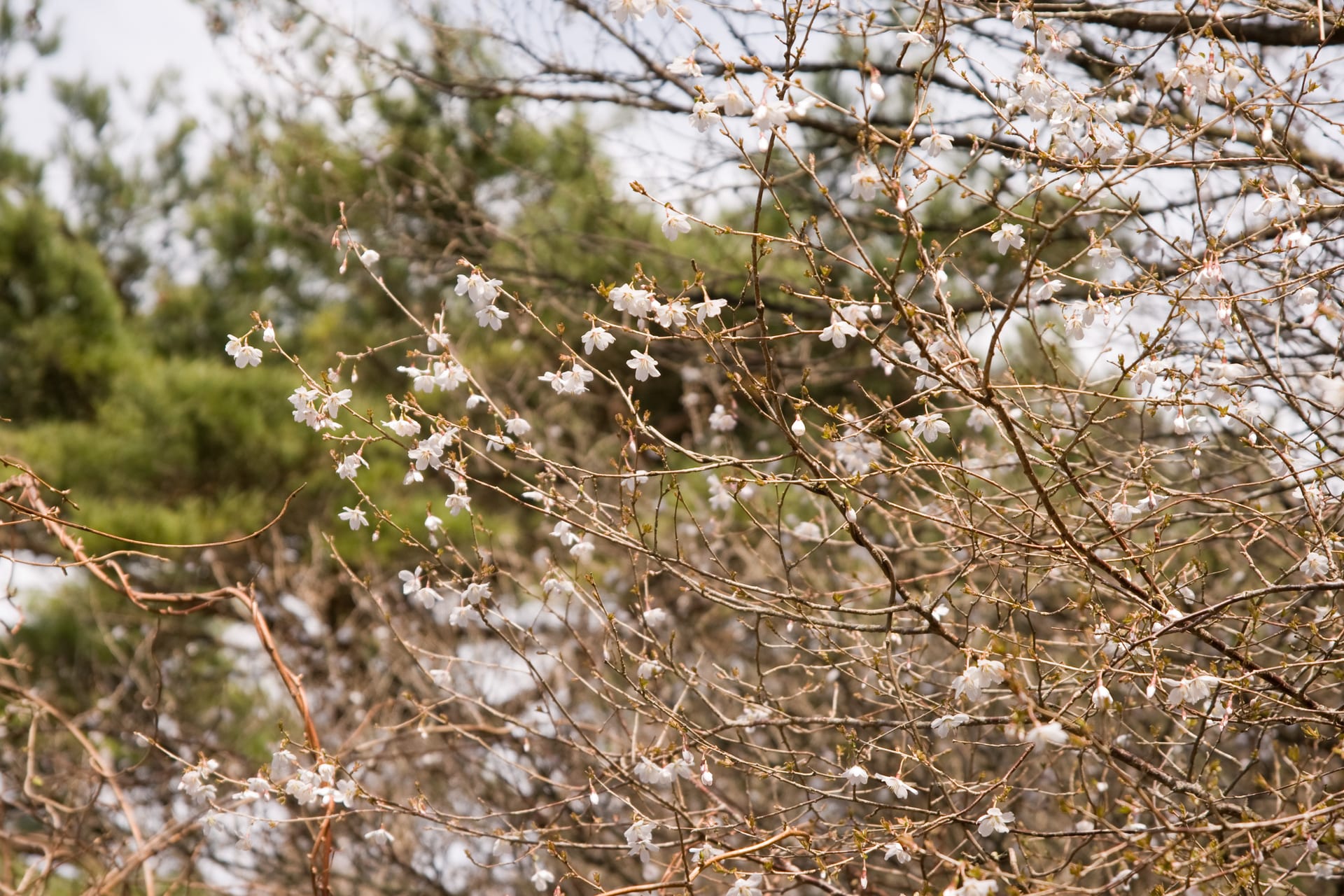
6. Cherry (Sakura - Fuji Cherry, Asahiyama, and other dwarf varieties)
The most beloved flowering tree among Japanese people. Dwarf cultivars suited to bonsai (Fuji cherry, Asahiyama) grow low and flower beautifully in pots. With proper post-flowering care—fertilizing and watering—you'll get stable blooms every year. A fully open spring bonsai cherry amazes visitors and captures the essence of bonsai's joy.
7. Shimpaku (True Juniper)
An evergreen and a classic bonsai species—green year-round. Its branches respond well to wiring, allowing free-form shaping. The artistic technique of bleaching deadwood into white "shari" or "shin" forms is uniquely shimpaku. Hardy, easy to maintain, and beloved by experienced collectors, it's a perennial favorite.
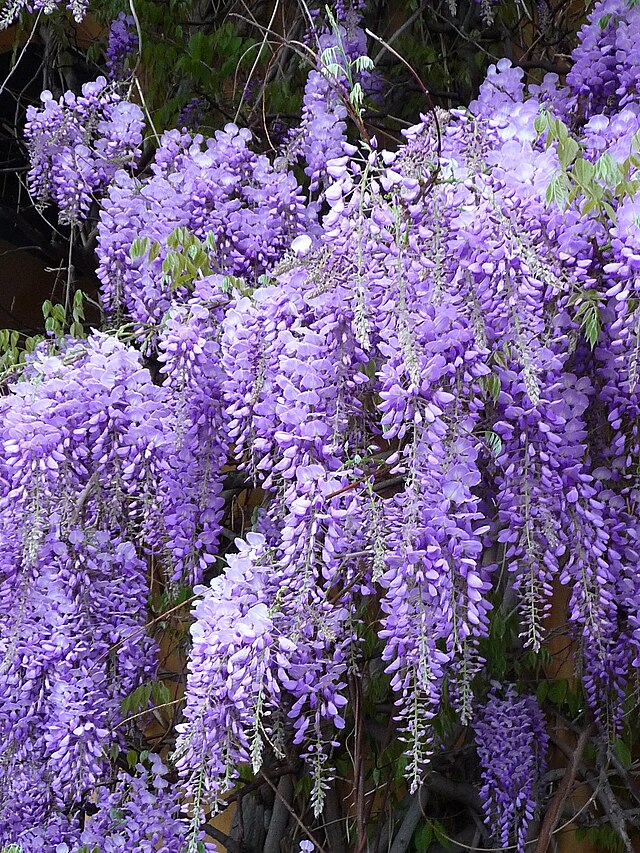
8. Wisteria (Fuji)
The purple, hanging flower clusters in spring are among the most spectacular sights in bonsai. With proper pruning and fertilizing after flowering, it reliably blooms the following year. As a vine, it requires less wiring, but the joy of flowering is unmatched. Training it in the "cascading" (kengai) style makes the blooms particularly striking.
9. Himeshara
A deciduous tree with delicate white flowers blooming in summer and a striking reddish-brown, smooth trunk. A native Japanese species popular for how easily its natural form translates to bonsai. Though less commonly available than other species, you can source it from specialty shops and collectors. Perfect if you prefer a naturally-styled form.
10. Cotoneaster
A hardy, vigorous Rosaceae shrub. Charming small red berries ripen from autumn through winter, making it a Western-style beginner species gaining attention. The form is easy to develop, and it offers three seasons of interest through flowers, fruit, and branching. Also recommended as a first bonsai.
Essential Care Fundamentals for Beginners
Once you've chosen your tree, master the basics of care. There's no need to overthink it. Simply keep these four points in mind, and your bonsai will thrive noticeably.
- Placement matters: The foundation is outdoors in a sunny, well-ventilated location. Keep indoor display brief.
- Water based on soil condition: Rather than "the same amount daily," the rule is to water generously once the soil surface dries. Frequency changes with season and weather.
- Start with one or two species: Managing too many types at once causes confusion. Concentrate on one or two species first, and let your body absorb their rhythms.
- Start in spring, the repotting season: Experiencing repotting lets you grasp the state of roots and soil role, naturally teaching you the year-round care cycle.
Safety and Reassurance at GrowerDirect
At GrowerDirect, you can buy bonsai directly from devoted enthusiasts and growers who have nurtured them with care. The greatest feature is that you can freely consult with the grower before purchase about tree selection, daily care, and tree-shaping techniques.
For beginners, questions like "Which species should I buy?" and "Can I really manage it?" are common concerns. With GrowerDirect, you get real, practical advice directly from someone who has actually grown that specific tree—information you won't find in reference books or search results. If you want to start your bonsai journey with confidence, explore GrowerDirect to find your first tree.