Bonsai Winter Care: Sendai & Tohoku Climate Guide | Muro Setup and Species-Specific Management
A practical guide for bonsai to survive the harsh winters of the Tohoku region including Sendai. Learn about muro setup in environments with minimum temperatures around −5°C, winter management by species (deciduous trees, conifers, satsuki), and how to handle freezing, drying, and snow.
Key Takeaways
A practical guide for bonsai to survive the harsh winters of the Tohoku region including Sendai. Learn about muro setup in environments with minimum temperatures around −5°C, winter management by species (deciduous trees, conifers, satsuki), and how to handle freezing, drying, and snow.
Related Species
Introduction: How Sendai & Tohoku Winters Affect Bonsai
The winter season in the Tohoku region, including Sendai in Miyagi Prefecture, is the harshest trial in bonsai management. With minimum temperatures dropping to around −5°C annually, Sendai's climate requires winter protection strategies quite different from those in the Kanto or Kansai regions.
We often hear stories from Tohoku bonsai enthusiasts who assumed that "bonsai can tolerate cold" and left their trees outdoors unprotected—only to find them dead when spring arrived. This article provides detailed explanations of winter care strategies specifically adapted to Sendai and Tohoku climates, broken down by species and situation.
Sendai's Climate Data and Its Impact on Bonsai
Overview of Sendai's winter climate (December–February):
- Average temperature: 2–4°C
- Minimum temperature: −2 to −5°C (can drop below −8°C during cold waves)
- Snowfall: 20–40 cm total accumulation per season
- Frost frequency: Ground freezes frequently from late December to February
Bonsai face three specific critical risks:
1. Root Death from Freezing Potted bonsai have roots exposed directly to external temperatures, unlike trees planted in the ground. When temperatures fall below −4°C, soil inside the pot freezes and root cells can be destroyed. Coniferous species (five-needle pine, Itoigawa shimpaku) are particularly vulnerable to root freezing.
2. Drying Damage from Low Humidity Tohoku winters bring dry northwesterly seasonal winds, and roots suffer desiccation damage if watering is neglected even when soil surfaces appear dry. Freezing combined with drying is characteristic of Tohoku winters.
3. Branch Breakage from Heavy Snow Wet, heavy snow accumulating on branches can snap thin branches. Weakened branches and newly wired branches are especially prone to breakage.
Species-Specific Winter Care
Deciduous Trees (Japanese maple, zelkova, crabapple, etc.)
Deciduous trees lose their leaves and enter dormancy in winter. With reduced metabolism during dormancy, they have relatively good cold tolerance.
Management tips:
- In Sendai, avoid unprotected outdoor placement; use eaves or a muro setup for protection
- Reduce watering to 2–4 times per month (water only when soil is completely dry)
- Bring trees indoors (to an entryway or shed) on nights when freezing is expected
- Brush off accumulated snow promptly
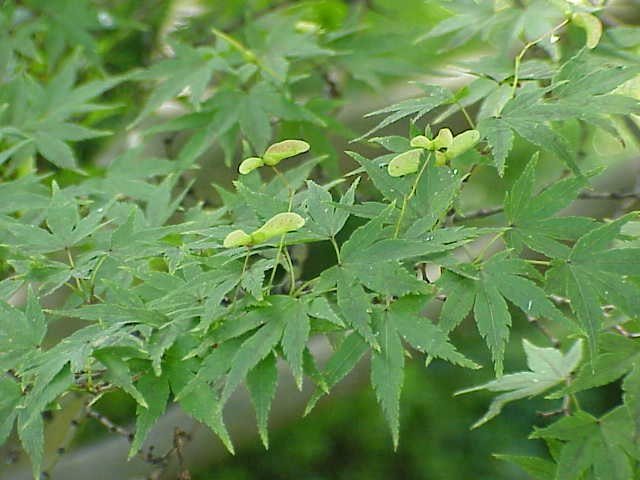
Japanese maple and zelkova have relatively good cold tolerance, but risk increases with smaller pot sizes. Very small pots (1–3 gou/size) require special attention. Japanese maple (Acer palmatum) is a standard feature at Sendai's autumn foliage spots and remains popular as bonsai.
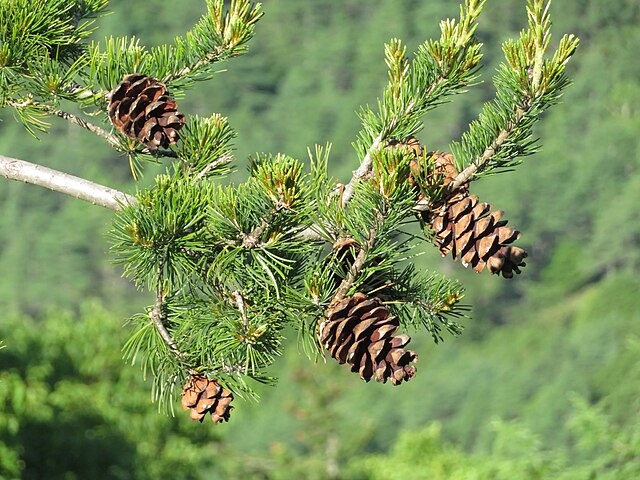
Evergreen Conifers (Five-needle pine, black pine, Itoigawa shimpaku, etc.)
Evergreen trees keep their foliage through winter and continue photosynthesis, so they need more water than deciduous trees. However, their roots are vulnerable to freezing.
Management tips:
- House in a muro (see below) or place where wind is blocked from the north
- Water 1–2 times per week; adjust based on soil moisture
- Consider bringing indoors if minimum temperatures drop below −3°C
- Itoigawa shimpaku and five-needle pine are especially sensitive; root freezing causes rapid decline
In Sendai, it is safest to move trees into a muro starting in mid-December. Continue protection through late February, gradually moving trees back outdoors starting in early March as temperatures stabilize.
Satsuki (Azalea, Ericaceae family)
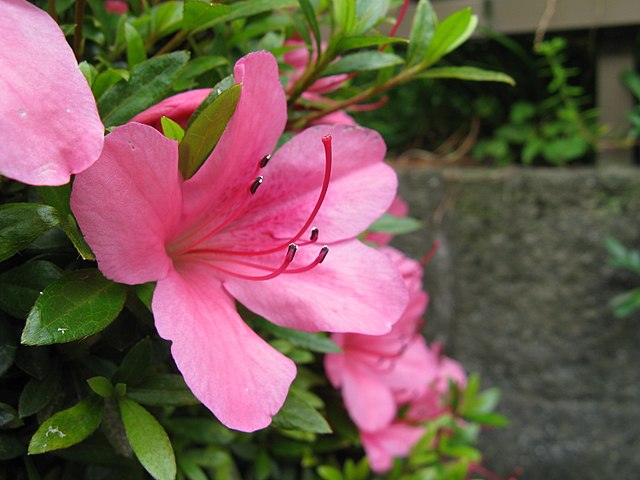
Satsuki is relatively cold-hardy but warrants eave management during Sendai's harshest season. Satsuki is a familiar garden and bonsai species throughout Sendai.
Management tips:
- Manage under eaves or in semi-sheltered spaces; use muro if temperatures drop below −5°C
- Water when soil is dry (typically 1–2 times per week in winter)
- Wrapping pots with newspaper or burlap for root protection is also effective
- Minimize winter pruning to avoid damaging flower buds (next year's flowers)
Building and Using a Muro (Winter Protection Frame)
A "muro" is a protective frame that shields bonsai from winter wind and freezing. In Tohoku and Hokkaido, it is considered essential to bonsai management.
DIY simple muro:
- Place a bench or shelf against a wall or under eaves where wind is blocked from the north
- Enclose three sides with vinyl sheeting or corrugated panels (leave the south side open)
- Lay slats on the bottom to ensure airflow
- Install a thermometer inside to maintain conditions above −3°C
Using a commercial mini greenhouse: A simple greenhouse (¥10,000–20,000) from a home center works well. However, avoid sealing it too tightly to prevent excess moisture. Remember to ventilate during the day.
While trees are in the muro, expose them to natural wind about once every two weeks to maintain vigor. Prolonged complete closure can encourage elongated, weak growth.
Spring in Sendai: Post-Winter Management and "Spring Awakening"
Bonsai that survive the long winter regain vitality rapidly with spring's arrival. In Tohoku, new buds typically begin to swell from mid to late March, and management during this period significantly affects the year's form.
Post-winter checklist:
- Check branch viability: bend thin branch tips; green inner wood indicates life
- Check root condition: March to April is the proper season if repotting is planned
- Resume watering gradually: increase water once temperatures exceed 5°C
Sendai has bonsai enthusiast groups and regional exhibitions scattered throughout the city. The season after winter protection ends is an excellent opportunity to exchange tips and gather management insights.
Summary: Tohoku Winter Survival Rests on Three Pillars: "Housing, Water Reduction, and Freeze Prevention"
Winter care is the greatest challenge when growing bonsai in Sendai and Tohoku. However, with proper management, bonsai that survive the harsh winter will display even greater beauty in spring.
- Housing: Protect from northerly wind and freezing using a muro or simple greenhouse
- Water adjustment: Reduce winter watering, but avoid over-drying
- Freeze prevention: Consider bringing trees indoors when minimum temperatures approach −3°C
Bonsai that have endured Tohoku's harsh winters possess a special strength and character. Begin your preparations this fall so that next spring you can fully savor the joy of "having survived the winter."