Basic Techniques for Bonsai Pruning and Wiring
Basic techniques for shaping bonsai. This guide explains the timing and methods of pruning, tips for wiring, the difference between bud pinching and defoliation, and common mistakes beginners make along with how to avoid them.
Key Takeaways
Basic techniques for shaping bonsai. This guide explains the timing and methods of pruning, tips for wiring, the difference between bud pinching and defoliation, and common mistakes beginners make along with how to avoid them.
Related Species
Developing Bonsai Form: Basic Techniques for Pruning and Wiring
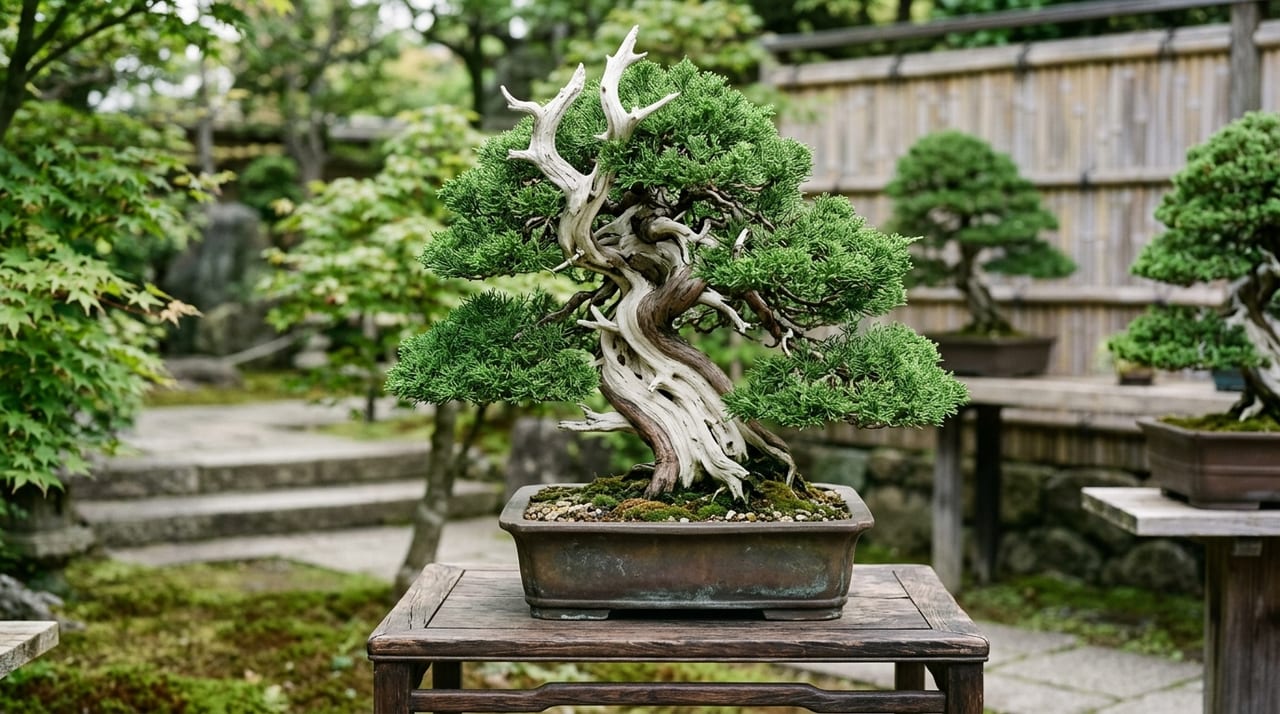
The true essence of bonsai lies in condensing nature's majesty into a palm-sized world and gradually creating your own unique tree form over years. The core techniques for this are "pruning" and "wiring." Both can be mastered by beginners if you have the right knowledge and tools, but incorrect timing or procedures can damage the tree. This article provides a thorough explanation from the fundamentals through important precautions.
Pruning Fundamentals: Mastering the "Subtraction" Technique for Shaping
Pruning involves removing unnecessary branches to shape the tree form and improve light and air circulation inside the canopy. Rather than thinking about what to grow, it means asking "what should I cut?"—essentially a subtractive technique.
Types of Pruning
- Thinning cuts: Cut overcrowded branches at their base to reduce branch density. Light and air then reach the interior of the tree
- Cut-back pruning: Cut back overgrown branches midway to refine the overall silhouette
- Bud pinching: Pinch off new shoots that emerge in spring and summer using your fingers or bud scissors, suppressing excess growth while increasing fine branches
Pruning Timing by Tree Type
Pruning timing varies greatly by species. Missing the appropriate season can drain the tree's vigor, affecting next year's flowering or bud development, so always check before starting work.
| Tree Type | Optimal Time | Key Points |
|---|---|---|
| Deciduous trees (zelkova, maple, etc.) | Dec–Feb (after leaf fall) | The overall branch structure is more visible, making pruning decisions easier |
| Conifers (black pine, five-needle pine, etc.) | Timing varies by species (five-needle pines typically cut buds in June–July) | Mistiming directly impacts next year's vigor |
| Flowering and fruiting varieties (plum, Japanese kerria, etc.) | Immediately after flowering | It is essential to prune right after blooming to preserve next year's flower buds |
Selecting and Maintaining Pruning Tools
Tool quality and maintenance directly affect the finished result.
- Bonsai pruning shears: Fine, sharp blades cut thin branches cleanly without crushing the cut surface
- Bud scissors: The thin, pointed shape is ideal for delicate work on new shoots, leaves, and small branches
- Wound dressing: Apply to cut edges to protect against disease and drying. Essential for larger branches
After use, wipe away sap and dirt, then apply a thin coat of oil before storing. Shears left dirty or rusty will damage the cut surface and become a source of disease. If you are unsure about tool selection, check Complete Guide to Selecting Bonsai Tools to review all the tools needed by beginners.
Wiring Fundamentals: The "Shaping" Technique Through Bending
Wiring involves wrapping aluminum or copper wire in a spiral around branches and bending them in your desired direction to create the tree form. While pruning is about "removing what you don't need," wiring is about "giving branches intention." More detailed techniques and applications are explained in Complete Guide to Bonsai Wiring Techniques.
Types of Wire and How to Choose
- Aluminum wire: Soft and easy to handle, making it ideal for beginners. Readily available at home improvement stores and bonsai shops
- Copper wire: Higher tensile strength than aluminum, better suited for correcting hard branches and thick trunks. For intermediate to advanced growers
Choose wire thickness at about one-third the diameter of the branch you are wiring. Wire that is too thin will have no effect; wire that is too thick will damage the branch.
Steps for Wiring
- Check the branch condition: On very dry days, branches are brittle and prone to breaking. Work the day after watering when branches have flexibility
- Secure the wire: Place one end of the wire at the branch base and wrap it in a spiral while maintaining a 45-degree angle for even contact
- Bend slowly: Gradually apply pressure toward your desired shape. Bending too sharply at once will break the branch
- Remove once shape is set: Depending on the tree species and season, form typically sets within 2–6 months. Remove the wire promptly after the shape is established
Watch Out for Wire Cutting In
Bonsai grow surprisingly fast during the growth season. If wire cuts into the trunk or branch, it can constrict the vascular tissue and cause the branch to die. Check every 2–3 weeks during spring and summer, and if cutting-in is beginning to occur, remove and rewrap the wire.
Bud Pinching and Defoliation: Elevating Tree Quality Through Careful Management
Along with pruning and wiring, bud pinching and defoliation are important management techniques. Though sometimes confused, they serve different purposes and target different parts.
- Bud pinching: Remove new shoots early in their growth to suppress excess vigor. This increases fine branches and creates a denser, more refined tree form. Performed mainly from spring through early summer
- Defoliation: Remove all leaves from deciduous trees to force new leaf growth. Effective when you want uniform smaller leaves or to rebalance the overall tree. Only perform on vigorous, healthy trees. Removing leaves from weakened trees risks killing them
Common Beginner Mistakes and How to Avoid Them
Pruning and wiring are delicate work. Knowing common mistakes in advance helps protect your valuable trees.
Common Failures and Countermeasures
- Cutting too much at once: Cutting too aggressively will rapidly deplete the tree's vigor. Stop before you think you've done enough, and plan to continue the following year
- Late pruning of flowering and fruiting varieties: If you don't prune immediately after flowering, you will cut off next year's flower buds. Aim to prune within 1–2 weeks of blooming
- Neglecting tool maintenance: Leaving dirt on tools after use increases the risk of disease entering the cut surface at the next use. Make it a habit to wipe, dry, and oil your tools every time
- Missing wire cutting in: Many people think "it should be fine," only to find the wire has cut deeply. Always check regularly during the growth season
- Neglecting aftercare: Failing to apply wound dressing to cuts after pruning leaves them vulnerable to disease. The larger the cut, the more carefully you should treat it
Once you gain experience with pruning and wiring, try applying advanced techniques such as How to Create Jin and Shari in Bonsai to expand your expressive range when shaping trees.
Summary: Enjoy Bonsai Even More with GrowerDirect
Pruning and wiring are not skills you can master overnight. However, if you follow the basic procedures and appropriate timing, you can steadily improve as a beginner. What matters most is "listening to the tree"—observing the condition of the leaves, the flexibility of the branches, and the vigor of the buds, then intervening at the right moment.
GrowerDirect lets you purchase bonsai directly from growers who have cultivated them for years. By asking the seller "how have you been caring for this tree?" and "how would you like to see it develop?", you can receive tailored advice on pruning and wiring specific to that individual tree. Rather than simply buying a tree, receiving cultivation wisdom along with it—that is the distinctive way to enjoy bonsai through GrowerDirect.
Whether you are selecting your first bonsai or expanding an experienced collector's collection, find your ideal tree on GrowerDirect.