The Complete Guide to Bonsai Wire Training Techniques | Foolproof Tips for Successful Branch Shaping from Basics to Advanced Methods
This guide explains the fundamental techniques of bonsai wiring: timing, wire thickness selection, wrapping methods, and bending techniques. We'll also cover practical tips including species-specific precautions and timing management to prevent permanent wire marks.
Key Takeaways
This guide explains the fundamental techniques of bonsai wiring: timing, wire thickness selection, wrapping methods, and bending techniques. We'll also cover practical tips including species-specific precautions and timing management to prevent permanent wire marks.
Wire Training is the Core Technique of Bonsai Shaping
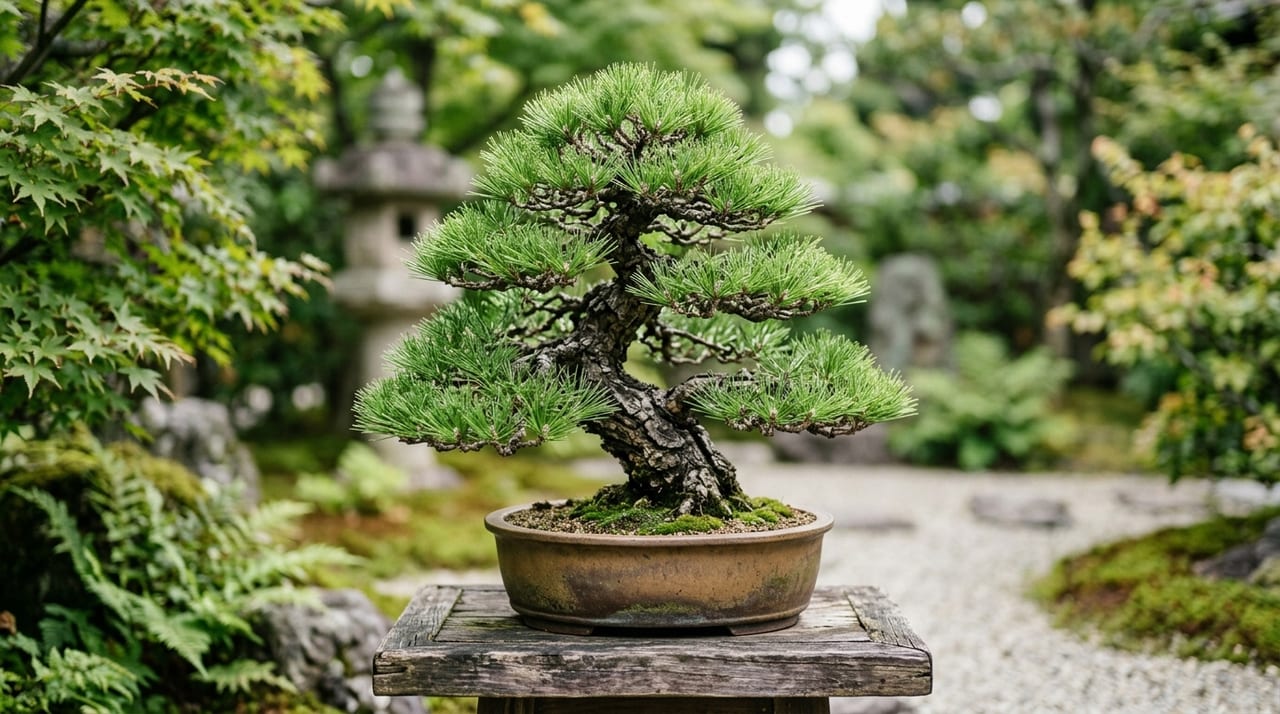
Wire training, also called wire bracing, is one of the most essential fundamental techniques in creating beautiful bonsai forms. By wrapping wire in a spiral around branches and trunks and bending them in the desired direction, you can achieve the stately appearance that nature would take decades or even centuries to develop—all in a relatively short timeframe.
While wire training may appear straightforward, improper technique can cause serious damage to branches. If wire cuts into the bark, it leaves permanent scarring that compromises not only the tree's aesthetic value but its health as well. Conversely, when done correctly, the tree "remembers" its shape, maintaining beautiful branch structure long after the wire is removed. This guide systematically covers everything from beginner-friendly fundamentals to advanced techniques that intermediate practitioners should know.
Types of Wire and How to Choose
There are two main types of bonsai wire: aluminum wire and copper wire. Since each has different properties, it's important to choose based on the tree species and your specific purpose.
Aluminum Wire
The most widely available material for bonsai. Softer and easier to bend by hand than copper, it's beginner-friendly and has enough elasticity to avoid damaging delicate branches. It works well across many tree species including pine, maple, zelkova, and flowering quince.
Sizing guideline: The basic rule is to use wire about one-third the diameter of the branch. For thin branches (2mm or less), use 1.0–1.5mm wire; for medium branches (2–5mm), use 2.0–2.5mm; for thick branches and trunks, use 3.0–4.0mm.
Copper Wire
Harder than aluminum with stronger holding power, copper wire is better suited for thick trunks and forceful corrections (areas requiring dramatic bends). However, it requires more experience to handle, and excessive force can break branches. It's used for serious coniferous styling and for strong branches that resist aluminum wire correction.
Annealing (gently heating) the wire before use makes it softer and easier to handle.
Basic Steps for Wire Training
Preparation
Water your tree the day before wiring to ensure branches are well-hydrated. Moist branches are more flexible and easier to bend, while dry branches are prone to breaking.
Cut wire to approximately 1.5 times the length of the branch you're shaping. Wire that's too short will need splicing mid-way, resulting in an unstable finish.
How to Wrap the Wire
1. Wrap at a 45-degree angle in uniform spirals
Wrap the wire around the branch at a consistent 45-degree angle with even spacing. If the angle is too close to 90 degrees, the holding power is weak; if nearly parallel, the wire will slip when you bend the branch. Forty-five degrees is the most efficient angle for transmitting force.
2. Use two-branch wiring for stability
Whenever possible, use a single wire to secure two branches that branch from the trunk or main branch (two-branch wiring). This stabilizes the wire's anchor point, making it less likely to slip when wrapped. It also distributes stress across branches, reducing damage. If wiring a single branch, always secure the wire firmly to the trunk or a thick branch several times before beginning the wrap.
3. Tension should be firm but not too tight
The ideal is a gap of about one sheet of paper between the wire and branch. Over-tightening causes the wire to bite into bark; too loose and the wire won't correct the branch effectively. After wrapping, the wire should fit naturally and snugly along the branch.
Bending the Branch
Once the wire is wrapped, place your thumbs on the inside of the branch and slowly apply outward pressure to bend it into the desired shape. The key rule is to apply force gradually, not suddenly. If you hear a creaking sound, it's a sign that internal branch tissue is tearing—stop immediately.
For dramatic bends, it's also effective to use a phased approach over weeks or months rather than trying to reach the target angle in one session.
When and How to Remove the Wire
The most common mistake with wire training is leaving the wire on too long. As the tree grows, branches thicken. If wire remains in place, it cuts into the growing branch, leaving permanent spiral scarring. This is called "wire marking" and severely diminishes the bonsai's beauty.
Removal timeline (Aluminum wire)
- Conifers like pine and fir: 3–6 months (wrap in winter, remove in spring to early summer)
- Deciduous trees like maple and zelkova: 1–3 months (fast growth requires extra vigilance in spring and summer)
- Flowering quince and plum: 2–4 months (remove early and check frequently due to tender bark)
These are guidelines only; timing varies significantly based on tree vigor, season, and growing conditions. Observe regularly and remove the wire before it begins to cut into the bark.
Removal method
Always cut the wire with wire cutters as you remove it. Trying to unwind it causes large branch movements, potentially undoing the shape you've established and risking breakage. Cut the wire every few centimeters and remove it in small pieces.
Species-Specific Application Tips
Branch flexibility, growth rate, and tolerance for wounding vary by species. Use the following as a guide to adjust timing and technique.
| Species | Best Timing | Notes |
|---|---|---|
| Black pine, Red pine | Fall–winter (Nov–Feb) | Tolerates longer wiring, but check before spring growth |
| Shimpaku, Chinese juniper | Year-round (spring–early summer optimal) | Effective when combined with trunk twisting (jin/shari) |
| Maple, Zelkova | After leaf drop to before budbreak (Nov–Feb) | Fast-growing and prone to wire marking; check monthly in spring |
| Plum, Flowering quince | After pruning (spring–early summer) | Thin bark requires raffia protection before wiring |
| Japanese maple | After leaf drop | Fragile branches require especially slow bending |
Protection with raffia: For species with tender bark or areas requiring dramatic bends, wrap raffia (a type of palm fiber) under the wire to prevent friction damage.
Get Stock Trees and Bonsai from GrowerDirect
Wire training technique improves the more you practice hands-on. Through GrowerDirect, you can purchase stock trees and bonsai in training directly from growers. A key strength of GrowerDirect is that growers patiently answer specific questions like "Where are the wires currently placed?" and "Which branches should I prioritize shaping?"
The joy of developing tree form with your own hands is unmatched. Perfect your wire training technique while creating your own unique bonsai.