How to Create Jin and Shari on Bonsai | Techniques for Expressing the Beauty of Dead Wood
Explains how to create jin (dead branches) and shari (white skeleton-like trunk) on bonsai. Introduces suitable tree species (Itoigawa juniper, five-needle pine), tool selection, carving procedures, bleaching treatment with lime-sulfur solution, and protection methods.
Key Takeaways
Explains how to create jin (dead branches) and shari (white skeleton-like trunk) on bonsai. Introduces suitable tree species (Itoigawa juniper, five-needle pine), tool selection, carving procedures, bleaching treatment with lime-sulfur solution, and protection methods.
Related Species
What are Jin and Shari | The Essence of Dead Wood Beauty
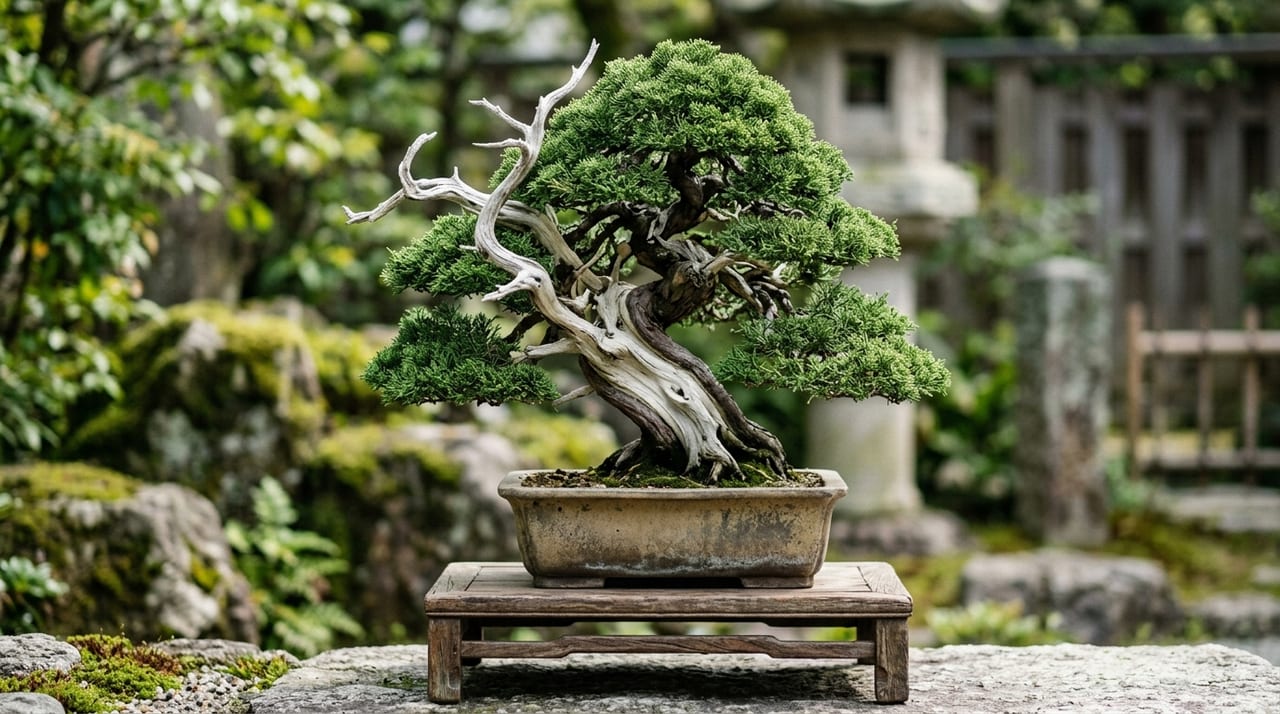
In bonsai, "jin" and "shari" are techniques that carve the harshness of nature into trees, and are among the most important elements for expressing the character and dignity of aged wood.
Jin (god) refers to the white, bleached dead wood created from the tips of dead branches or the base of branches. In nature, jin is created when branches broken by lightning or strong winds are exposed to the elements, causing bark to peel away and be bleached white. Artificial jin recreates this natural process.
Shari (sharira) refers to the deadwood section created on the surface of the trunk. By removing a portion of bark and cambium, exposing the interior wood, it expresses the appearance of an aged tree that has endured years of wind and snow. The name derives from the Buddhist term "sharira," meaning "bone," expressing the beauty of white-gleaming, bone-like wood grain.
By skillfully combining jin and shari, you can condense and express the weight of time and natural strength of centuries-old trees within a small bonsai.
Suitable Tree Species and Timing for the Work
Suitable Tree Species
Jin and shari are not suitable for all tree species. They are fundamentally suited to conifers, with particularly beautiful results on the following species:
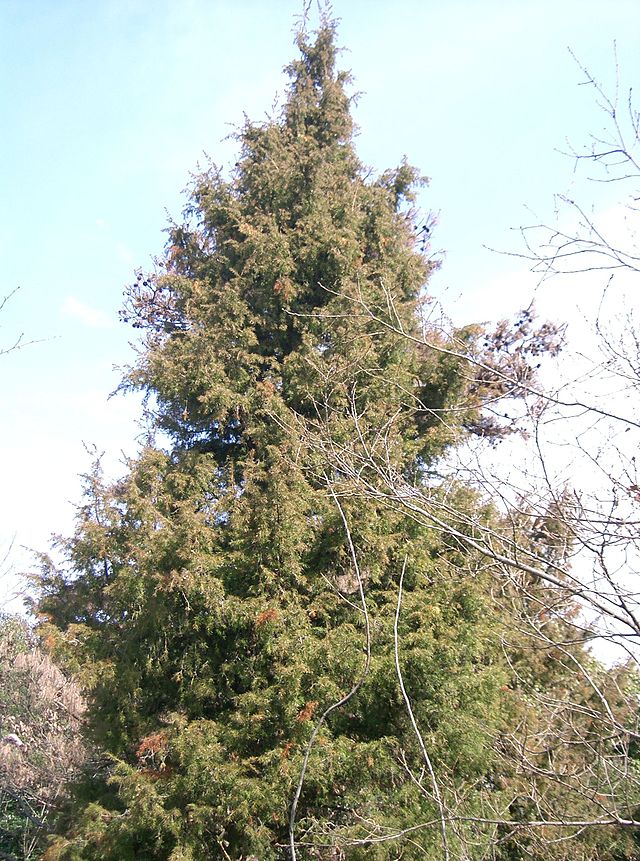
- Itoigawa juniper (Shinpaku): The classic choice for jin and shari. Resin-rich wood shows bleached grain beautifully
- Chinese juniper (Toshou): Rough bark peels easily, making natural jin easier to create
- Black pine and red pine: Branch jin is common, but shari requires care
- Cypress varieties: Can achieve expression similar to Itoigawa juniper
Conversely, deciduous trees (maple, zelkova, etc.) are unsuitable for jin and shari. Deciduous wood decays easily, with deadwood sections turning dark and losing aesthetic appeal. If you must add deadwood expression, limit it to jin on fine branch tips.
Optimal Timing for Work
Work should be done during dormant periods, avoiding the growing season.
- Optimal period: November through February (when sap flow is minimal)
- Periods to avoid: Budbreak (March–May), peak summer growth
Selecting a healthy tree with stable vigor is essential. Applying jin and shari to a weakened tree risks further vigor loss.
How to Create Jin | Dead Branch Technique
Required Tools
- Jin cutters (or nippers)
- Jin pliers (bark stripping pliers)
- Carving tools and wood chisels (for detailed carving)
- Lime-sulfur compound (lime-sulfur solution)
- Brushes
Work Steps
1. Branch Selection and Cutting
Once you've chosen the branch for jin, cut it slightly longer than your desired final length. While you can shorten it later, cutting too short is irreversible, so err on the side of leaving it longer initially.
2. Bark Removal
Using jin pliers, strip the bark from the base of the branch toward the tip. Work vertically; pulling horizontally risks damaging the wood beneath.
Resin-rich species like Itoigawa juniper have bark that peels reluctantly. Work slowly and carefully rather than forcing it.
3. Carving the Wood
Once bark is removed, use carving tools or chisels to add natural cracks and texture to the wood. Overly straight surfaces look unnatural; aim for the irregular shape of a lightning-struck branch. Carving vertical lines along the grain enhances realism.
4. Applying Lime-Sulfur Solution
Once carving is complete, apply lime-sulfur solution with a brush. This provides several benefits:
- Prevents decay and mold (preservative and fungicidal effects)
- Bleaches the wood white, creating natural deadwood coloring
- Protects against UV degradation
Allow several hours for drying after application. Reapply once or twice yearly to maintain the white color.
How to Create Shari | Deadwood Expression on the Trunk
Planning Your Shari Design
Shari is irreversible once created. Sketch your design on the trunk with pencil or marker beforehand, confirming the final image before you begin.
Natural shari has these characteristics:
- Often asymmetrical on the trunk (on the weather-exposed side)
- Often connects continuously with jin
- Width varies with flowing lines
- Doesn't extend beyond 1/3 of the trunk's cross-section (to preserve nutrient and water transport)
Work Steps
1. Bark Removal
Strip the bark within your design using jin pliers or carving tools. It's crucial to remove all cambium (the green, slimy layer), as remaining cambium will regenerate new bark.
2. Carving the Wood
Once wood is exposed, use carving tools, chisels, or rotary tools to add three-dimensional texture. Natural deadwood features flowing, water-like channels, so carve with a vertical flow in mind.
Rotary tools work efficiently, but excessive pressure risks carving too deeply—exercise restraint.
3. Applying Lime-Sulfur Solution
As with jin, apply lime-sulfur for preservation and bleaching. Since trunk shari covers a larger area, ensure thorough coverage.
Common Mistakes and How to Avoid Them
Mistake 1: Extending Shari Too Far
Without sufficient vascular tissue (cambium) remaining, the tree cannot transport nutrients and will die. The rule is to preserve 60–70% of the trunk's cross-section as living tissue. Exercise particular care on thin-trunked trees.
Mistake 2: Decay Sets In
Insufficient lime-sulfur application allows mold and decay fungi to flourish. Don't skip yearly reapplication (once or twice annually). Poor drainage harbors moisture, so place your tree in a well-ventilated location.
Mistake 3: Unnatural Design
Overdoing jin and shari creates a contrived, artificial look. Embrace "beauty through subtraction"—limit design to what could naturally occur. Study photographs of ancient trees or observe old trees in the mountains for inspiration on natural design.
Finishing Touches and Daily Care
Beyond standard bonsai care, trees with jin and shari require these additional considerations:
Reapply lime-sulfur once or twice yearly (before spring budbreak and in autumn). Yellowing or browning of deadwood signals the need to reapply.
Placement: Use dappled shade with good air circulation. Direct sun dries shari excessively, promoting checking (radial cracking).
Watering: Water normally at the roots of living tissue, but avoid repeatedly wetting shari, as this accelerates decay. Direct water to the base, away from deadwood.
Jin and shari are not finished when complete—they're cultivated over time. With each year, the wood grain matures and shows greater depth. Enjoy the profound artistry of capturing nature's sculpture in the palm of your hand.