The Art of Watering Bonsai | The Profound World of "Three Years of Watering"
A thorough explanation of watering techniques, which are fundamental and most profound in bonsai care. Introduces seasonal frequency, characteristics by tree species, and the philosophy of shaping trees through watering.
Key Takeaways
A thorough explanation of watering techniques, which are fundamental and most profound in bonsai care. Introduces seasonal frequency, characteristics by tree species, and the philosophy of shaping trees through watering.
Related Species
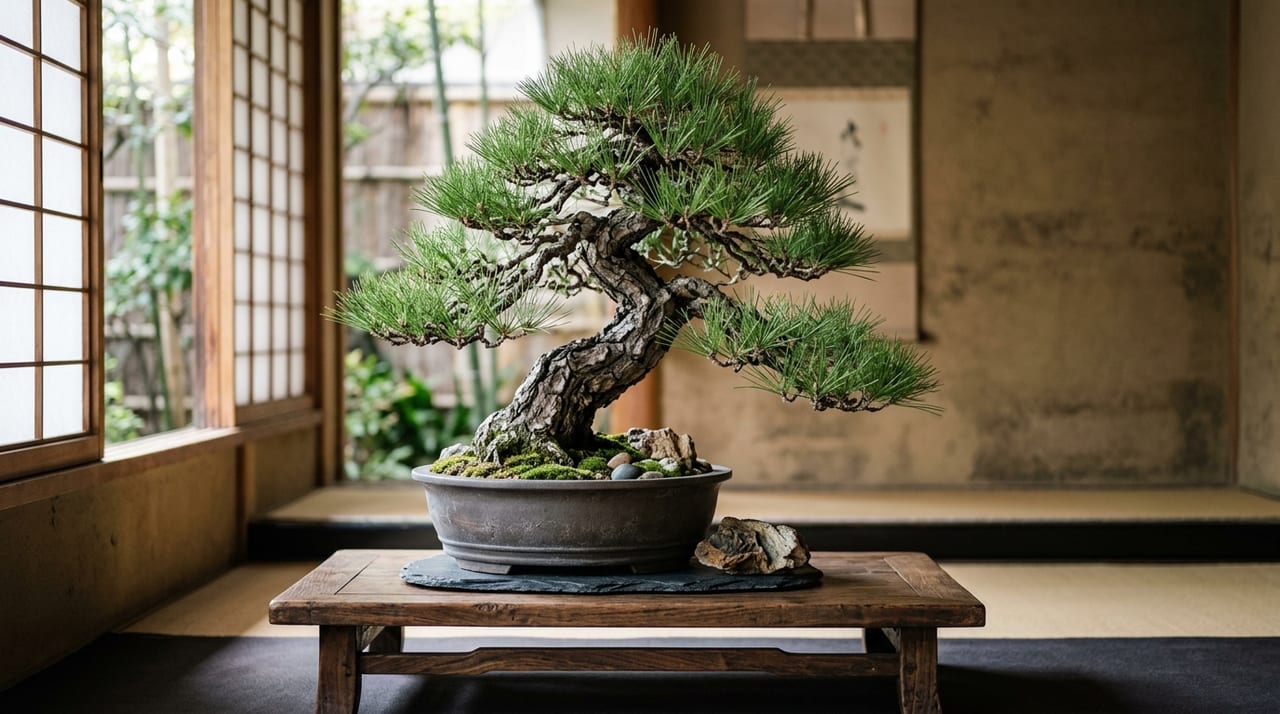
Just as the saying "three years of watering" suggests, watering bonsai may seem simple at first glance, but it is actually the most profound technique. Even professional bonsai masters take great care in adjusting watering every day, and it is said that the shape of a tree can be changed through watering alone. Proper watering not only keeps bonsai healthy but is also directly connected to bonsai as an art form. Here we explain everything from the basics of watering bonsai to advanced techniques.
Basic Principles of Watering — The True Meaning of "Water When Dry, Water Thoroughly"
The basic principle of watering bonsai is "when the soil surface is dry, water thoroughly until water flows out from the bottom of the pot." Within this seemingly simple rule lies the essence of bonsai care.
The most difficult part is determining when the soil is "dry." Even if the soil surface appears pale and dry, the center of the pot may still be moist. Conversely, even if the surface appears wet, the soil around the roots may be dry. For beginners, a useful method is to insert a bamboo stick at the edge of the pot and pull it out to check the moisture level.
The meaning of "water thoroughly" is that water reaches throughout the entire soil, pushing out old air and supplying fresh air around the roots. Simply giving small amounts of water little by little only wets the surface of the soil and does not reach the interior. The correct method is to repeat watering until water flows out from the drainage holes at the bottom of the pot.
What is important is not the frequency of watering, but giving sufficient water in one watering. Thoroughly moistening everything in one watering has a better effect on root development than giving small amounts multiple times.
Seasonal Changes in Watering
- Spring is a season when water uptake increases rapidly as new growth appears. Increase the frequency of watering as buds begin to swell. When new leaves are beginning to unfold, water is especially needed, so watering one or two times a day may become necessary.
- Summer is the season when watering frequency is highest. The soil dries quickly due to high temperatures and wind, and small pots may require watering twice daily (morning and evening), or even three times on extremely hot days. Avoid watering during midday heat (around 11 a.m. to 2 p.m.), and water in the cool morning hours and in the evening as the basic practice.
- Autumn gradually reduces the frequency of watering as temperatures drop. When deciduous trees begin to shed leaves, water uptake decreases, so observe the dryness of the soil carefully and adjust accordingly. Evergreen trees require some water in autumn, but not as frequently as in summer.
- Winter is the season when deciduous trees require the least watering. Dormant trees absorb very little water, but completely drying out the soil will damage the roots. As a guideline, water about once every three to five days, in the morning on warm days. Conifers continue to transpire in winter, so they require slightly more watering than deciduous trees.
Differences in Watering by Tree Species
| Tree Species | Watering Characteristics |
|---|---|
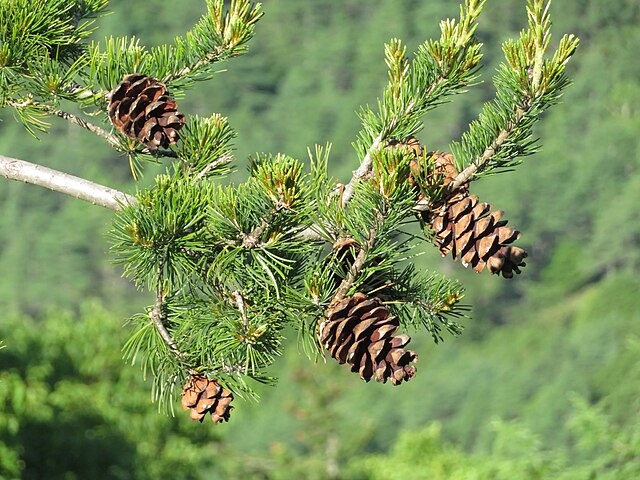
| Conifers (Japanese black pine, Japanese five-needle pine, Juniper, etc.) | Relatively drought-tolerant and benefit from slightly dry conditions. Japanese black pine in particular develops shorter leaves and takes on a beautiful form when managed on the dry side. This is called "dry watering" and is one of the important management techniques for conifer bonsai. |
| Broadleaf trees (Zelkova, Japanese maple, Beech, etc.) | Water transpires easily from thin leaves, requiring more watering than conifers. They are particularly sensitive to drought in summer, and once leaves become crispy and dry, recovery is difficult. Be especially careful on windy days. |
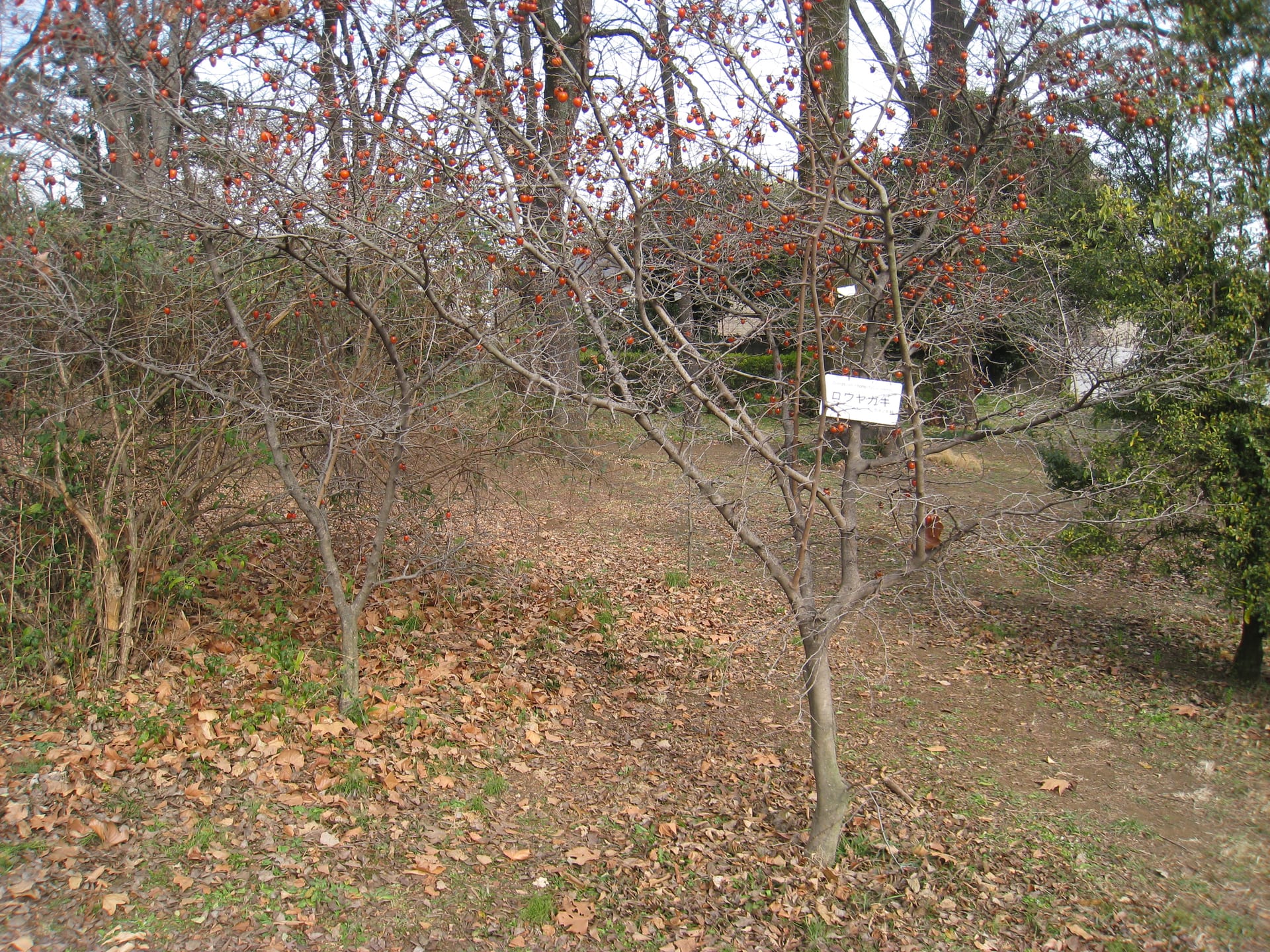
| Flowering and fruiting trees (Plum, Chinese quince, Japanese persimmon, etc.) | Require abundant water during flowering and fruiting periods. If watering is neglected when buds are swelling or fruits are enlarging, the buds and fruits will drop. |
Shaping Trees Through Watering — Balancing Dry and Moist Conditions
Advanced bonsai practitioners control the shape of trees through the amount of water given. "Dry watering," which maintains slightly dry conditions, tightens the tree, reduces leaf size, and shortens internodes. Conversely, "moist watering," which provides ample water, promotes vigorous growth and abundant branch extension.
During the growth period (when you want to encourage thickening), use moist watering to promote vigorous growth. During the training period (when you want to tighten the shape), use dry watering to maintain compact form. This distinction is possible and represents a long-term strategy spanning years—one aspect of the bonsai art of "shaping trees through watering."
However, dry watering carries the risk of killing the tree if the balance is incorrect. Especially with miniature bonsai, where the amount of soil is small, the margin for dry watering is extremely narrow and dangerous. Beginners should start with moist-watering practices and only attempt dry watering after gaining experience.
Tools and Techniques for Watering
A watering can with a fine spray nozzle is ideal for watering bonsai. The fine, shower-like water from the nozzle distributes water evenly without disturbing the soil. Metal nozzles have fine holes and produce delicate water droplets, making them favored by professional bonsai masters.
A more careful method is to water in two stages. The first watering lightly moistens the entire soil, and the second watering provides thorough saturation. The first watering makes the soil receptive to water, ensuring that the second watering penetrates to the center of the pot.
Water quality is also important. Ideal is collected water (tap water left overnight in a bucket). Chlorine is removed and water temperature becomes closer to air temperature, reducing stress on the tree. Well water can be cold and have high mineral content, so it is safer to expose it to sunlight before use.
Misting leaves with water is also important in bonsai care. Especially during dry periods after the rainy season ends, misting leaves morning and evening is effective in preventing spider mites. However, avoid misting when fungal diseases are present, as it may promote spore dispersal.
Quality Bonsai from GrowerDirect
On GrowerDirect, you can purchase carefully maintained bonsai—including daily watering care—directly from specialist growers. You can also ask growers specific questions about watering methods and frequency, which is an encouraging benefit. Begin your journey of "three years of watering" with bonsai you discover on GrowerDirect.