A Complete Guide to Watering Bonsai | Timing, Quantity, Method, and Species-Specific Precautions
Watering bonsai is said to be "the foundation of bonsai and its greatest challenge." This guide provides detailed explanations of how to determine proper watering timing, how to water correctly, seasonal watering frequency, and precautions for different tree species (pine, maple, azalea, juniper).
Key Takeaways
Watering bonsai is said to be "the foundation of bonsai and its greatest challenge." This guide provides detailed explanations of how to determine proper watering timing, how to water correctly, seasonal watering frequency, and precautions for different tree species (pine, maple, azalea, juniper).
Related Species
"Three Years for Bonsai, Ten Years for Watering"
In Japan's bonsai world, there is a saying "Three Years for Bonsai, Ten Years for Watering." It means that the fundamentals of tree shaping and pruning techniques can be mastered in three years, but it takes ten years to completely master the sense of watering. Watering is such a profound and crucial task in bonsai management.
There are two mistakes beginners often make. One is mechanical management—watering at fixed times with fixed amounts—and the other is the misconception that "daily watering is foolproof." Bonsai watering has no standard protocol; it requires comprehensive judgment of the day's temperature, humidity, wind, and tree condition. This "ability to read" is precisely why watering is said to take ten years to master.
Why Watering Is Difficult
Bonsai are planted in shallow pots, so the soil volume is very small and water retention is poor. Conversely, overwatering causes root rot, and too little causes the tree to weaken from drying. Developing the sense to discern this "just right" is the essence of mastering watering.
What makes it further difficult is that drying rates change greatly depending on pot material, size, and soil mix. Unglazed pots have high breathability and dry quickly, while glazed pots retain water well. Smaller pots hold less soil and dry faster. Soils dominated by volcanic ash and soils dominated by pumice have completely different water-retention properties. Even for the same tree species, watering decisions change depending on the environment in which the tree is placed, so there is no one-size-fits-all answer.
How to Determine Proper Watering Timing
By Touch: Lightly touch the soil surface with your finger, and if it feels "somewhat dry," water it. The basic principle is to water before it becomes completely dry. For greater accuracy, not only check the surface but also dig slightly along the pot's edge to confirm.
By Weight: Lift the pot and feel its weight to gauge moisture content. If it feels light, moisture is lacking. By developing a daily habit of lifting it, you will gradually develop a sense for "the weight right after watering" and "the weight when watering is soon needed."
By Bamboo Skewer: Insert a thin bamboo skewer into the soil, and if moist soil clings to it when withdrawn, water is sufficient. If the skewer is dry, water. This is the most objective and straightforward method for beginners.
By Leaf and Branch Condition: When water becomes insufficient, leaves slightly droop or lose their vibrant color. The ability to read these signals from the tree develops with experience.
The Correct Way to Water
Water Abundantly: Rather than watering multiple times with small amounts, the correct approach is to water generously at once until water flows from the pot's drainage holes. This ensures water reaches the entire root system and flushes away accumulated waste in the soil. Be thorough about watering "until water comes out of the drainage holes."
Using a Watering Nozzle: Use a "rose nozzle" (a showerhead with many fine holes) and apply water gently. Strong direct jets cause soil to wash away and damage roots. Reduce water pressure and apply carefully to avoid disturbing the soil surface.
Also Water the Leaves: Watering the leaves provides moisture absorption through the leaf surface and removes dust. In particular, leaf-misting in summer is effective in lowering leaf temperature through evaporative cooling. However, avoid spraying water on flowers when they are in bloom. Also, spraying water on leaves in direct sunlight can cause water droplets to act as lenses and burn the leaves, so avoid this during midday in the height of summer.
Water Temperature: Giving cold water to hot soil in the height of summer can subject roots to thermal shock. Ideally, use water at a temperature close to the air temperature during the day.
Seasonal Watering Frequency Guidelines
Spring (March–May): Once to twice daily. New shoots and leaves require significant water. Water in the morning as a standard practice, and also in the evening if the soil has dried.
Summer (June–September): Two to three times daily (morning and evening are standard). On extremely hot days, watering may also be needed around midday. This is the period requiring the most vigilance against water shortage due to high temperatures and rapid drying. Neglecting morning watering can sometimes be too late by midday.
Autumn (October–November): Approximately once daily. Temperatures moderate and water evaporation decreases. However, on days with strong dry autumn winds, drying may accelerate, so do not neglect checking in the evening.
Winter (December–February): Once every one to three days. Deciduous trees are dormant and do not absorb much water, but complete drying damages roots. Water during the morning (around 10 a.m.–2 p.m.) when temperatures are higher, and be careful that soil moisture does not freeze overnight. Evergreen trees have shallower dormancy, so continue watering at a slightly higher frequency than deciduous trees.
Species-Specific Precautions
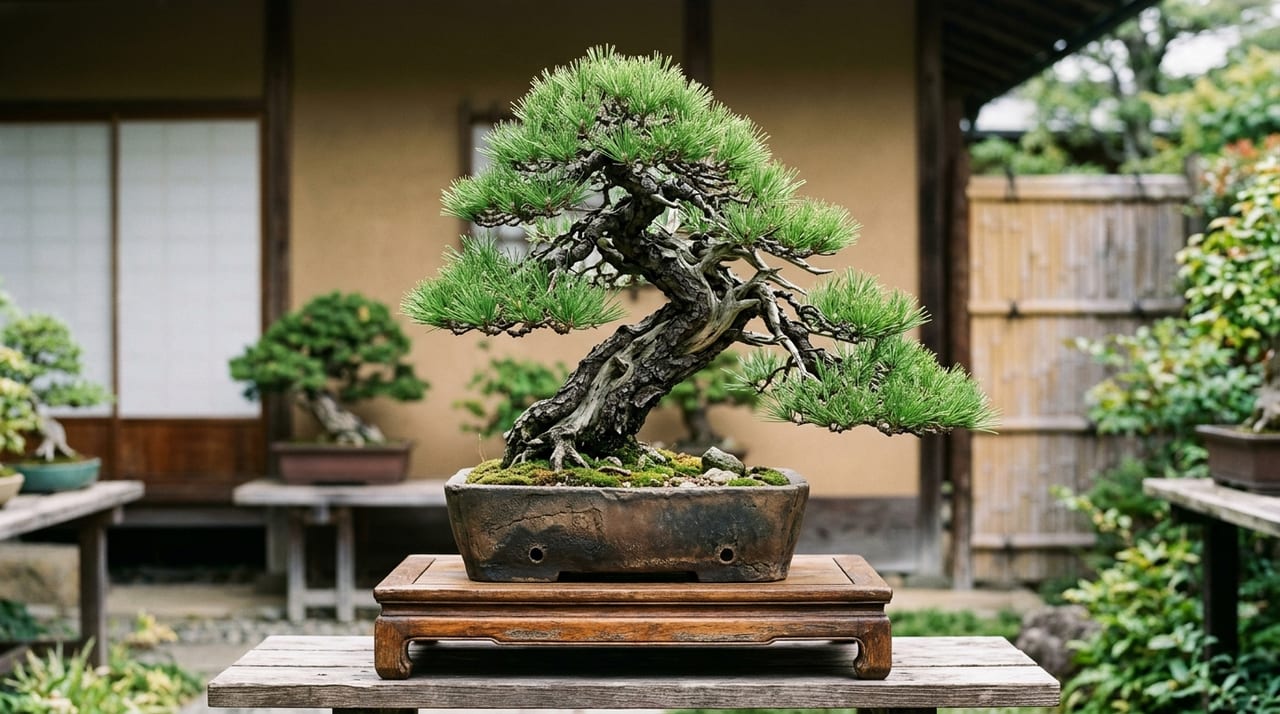
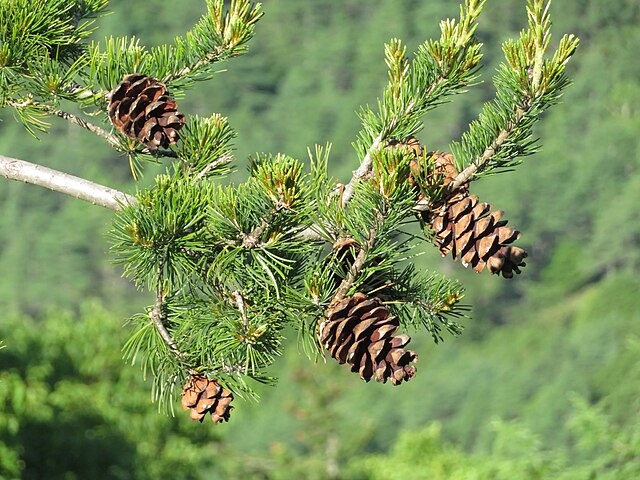
Pine (Black Pine, Red Pine, Five-Needle Pine): Dislikes excessive moisture. The basic approach is management that is "somewhat on the dry side." Even in summer, once or twice daily is often sufficient, and it is correct judgment to hold back watering for several days after rain. Root rot is fatal for pine, so special attention to excessive moisture is necessary. Particularly for black pine and five-needle pine, drying patterns differ by species, so developing a habit of lifting the pot and checking weight is a shortcut to improvement.
Maple (Japanese Maple, Trident Maple): Loves water. Drying in summer causes "leaf scorch," where leaf tips burn and wither. Be thorough with morning and evening watering, especially during dry summer periods. To achieve beautiful autumn color, the key is to prevent water shortage while keeping fertilization modest in early autumn.
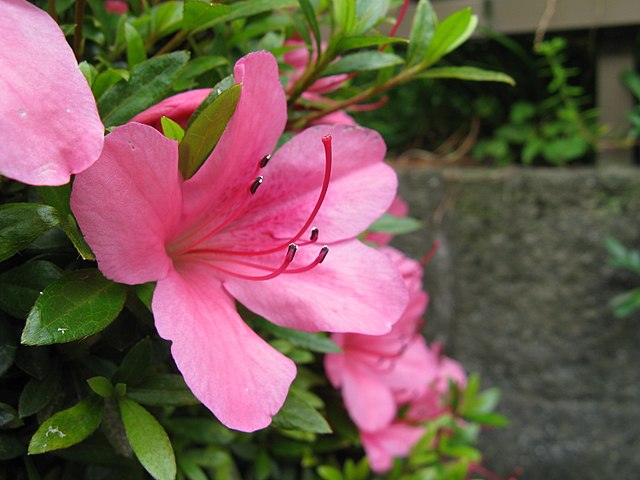
Azalea (Satsuki, Rhododendron): Water shortage after flowering (May–June) affects next year's flower bud formation. Be especially careful with watering during this period. Avoid splashing water on flowers while they are in bloom.
Juniper (Shinpaku): Relatively tolerant of dryness, but complete drying is to be avoided. Management that is somewhat on the dry side, similar to pine, is fine. Water accumulating in dead portions of the trunk (jin and shari) can cause decay, so after watering, take measures to prevent water pooling.
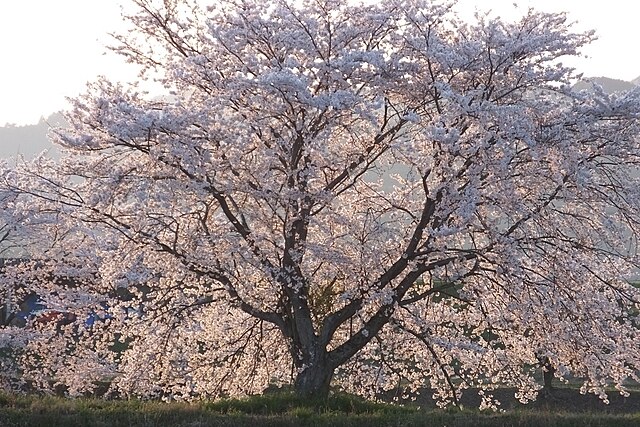
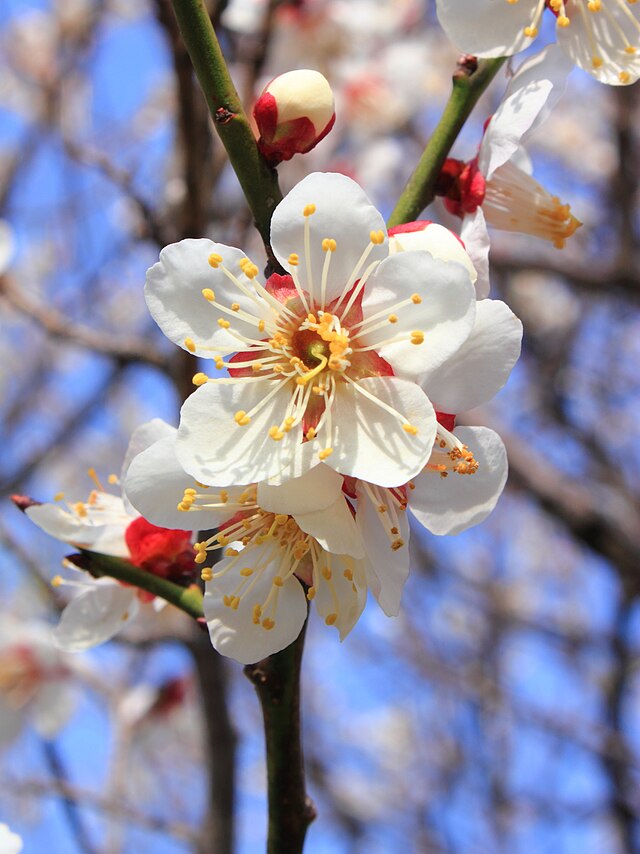
Plum (Ume) and Cherry (Sakura) (Deciduous Flowering Trees): Love water during the growing season. Especially during new shoot growth from after flowering through summer, increase watering. When watering during bloom, apply water to the base rather than directly on the flowers.
The Shortcut to Mastering Watering
Watering is built on daily observation and accumulated experience. Developing a habit of checking "what is the tree's condition today?" is the shortest route to ultimately mastering watering.
Also, when managing multiple bonsai, even trees of the same species dry at different rates depending on location, pot size, and soil mix. It is important to observe each individual tree and understand each one's "watering timing."
Overwatering causes root rot and disease, while underwatering leads to weakened vigor. Understanding both risks and managing as if listening to the tree's voice is the true essence of bonsai watering.
For an overview of seasonal work, see Bonsai Annual Management Calendar | Monthly Work Schedule. For those concerned with water quality, also refer to Guide to Bonsai Watering and Water Quality Management | Using Tap Water, Rainwater, and Soft Water.
Signs of Overwatering and Drying, and Emergency Treatment
Recognizing the condition and taking prompt action is key to keeping bonsai long-lived.
Signs of Overwatering
- Leaves turn yellow or drop (even evergreens show abnormal leaf drop)
- New shoots do not unfold; overall vitality is lacking
- Soil does not dry even after several days
- An unpleasant odor comes from drainage holes
If overwatering is suspected, first stop watering and move to a well-ventilated, semi-shaded location. If symptoms do not improve, remove the tree from the pot, examine the roots, and use clean scissors to prune any blackened, foul-smelling roots (rot rot). Allow to dry, then repot in fresh soil.
Signs of Drying
- Leaves wilt or curl inward
- Leaves turn brown from the edges or tips
- Soil becomes completely hard and repels water
For severe drying, "bottom watering" is effective. Fill a bucket or tub with water, submerge the entire pot for 30 minutes to an hour, and allow water to be absorbed from below. Simply pouring water on the surface may not allow it to soak into hardened soil.