Bonsai Pest & Disease Management Guide | Identifying and Controlling Common Pests and Diseases
A guide to identifying and treating common bonsai pests—aphids, spider mites, scale insects—and diseases such as powdery mildew and anthracnose. Includes pesticide selection and preventive management strategies.
Key Takeaways
A guide to identifying and treating common bonsai pests—aphids, spider mites, scale insects—and diseases such as powdery mildew and anthracnose. Includes pesticide selection and preventive management strategies.
Related Species
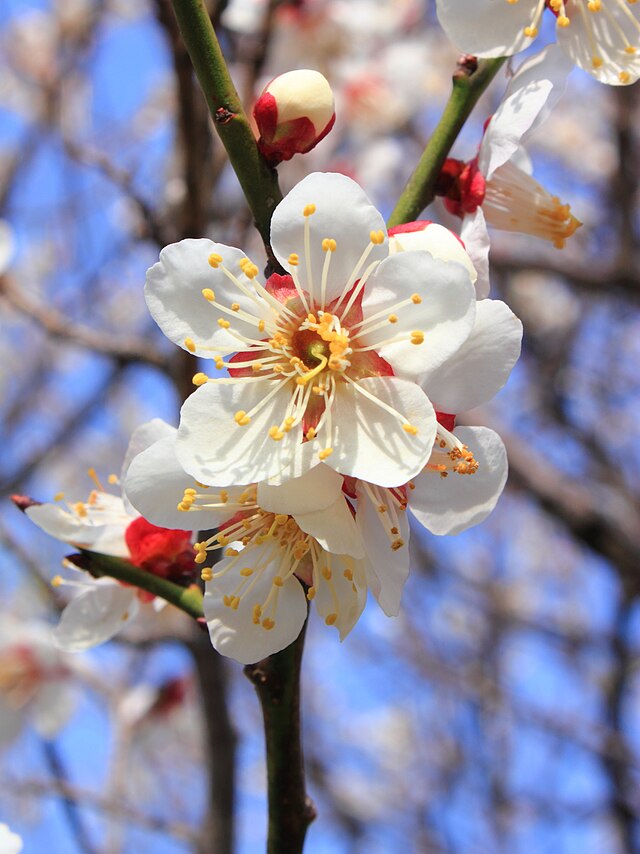
Bonsai display their true beauty only with proper care, but pest and disease damage weakens the tree and can lead to death in severe cases. For bonsai cultivated over decades, pest and disease damage can be irreversible. The critical challenge is that problems are often discovered too late. Recognizing early symptoms and taking appropriate action is essential knowledge. This article systematically explains the types of pests and diseases common to bonsai, how to identify them, and control methods. Following daily bonsai watering guidelines also forms the foundation of healthy trees that resist pest and disease problems.
Common Bonsai Pests and How to Identify Them
Aphids
Small insects 1–2 mm long that cluster on new growth, tender leaves, and shoot tips. They come in green, black, white, and other colors depending on species. Affected growth becomes curled and distorted, with sticky secretions (honeydew) left on leaves. This honeydew triggers sooty mold, causing secondary damage. Frequent ant activity on the trunk is also a sign of aphids.
Commonly affected species: Plum, cherry, Japanese maple, roses, peach
Treatment: For light infestations, physically remove them with a soft brush or toothbrush. For widespread infestations, spray insecticides such as Benika X thoroughly on both leaf surfaces. Preventive regular spraying with Sumithion (1–2 times per month) is effective.
Spider Mites
Microscopic pests (0.3–0.5 mm) that infest leaf undersides, causing foliage to appear bleached or stippled. Advanced damage causes yellowing and leaf drop. They reproduce rapidly and explode in population during dry summers or when indoor heating is used in winter. If you spot stippled leaves, examine the undersides with a magnifying glass.
Commonly affected species: Pine, azalea, Japanese maple, cypress
Treatment: First, rinse the leaf undersides thoroughly with water. Spider mites are resistant to general insecticides, so use specialized miticides such as Barock Flowable or Coromite. Regular misting with a spray bottle prevents drying and is highly effective for prevention.
Scale Insects
Appear as white cottony masses or hard brown shell-like clusters attached to branch junctions, leaf bases, and trunk crevices. They suck sap and weaken the tree; their excrement also causes sooty mold. The hard shell makes pesticide penetration difficult, especially for mature insects.
Commonly affected species: Pine, persimmon, peach, plum, holly
Treatment: Physical removal with a soft brush or bamboo skewer is the basic approach. In winter dormancy, spraying machine oil emulsion over the entire trunk and branches suffocates them by blocking their spiracles, achieving high effectiveness. Spraying Sumithion during the crawler stage (around the rainy season) is also effective.
Japanese Beetle Larvae
White larvae living in soil that feed on fine bonsai roots. If trees suddenly wilt or leaves yellow despite watering, suspect root damage. These larvae are often discovered during repotting.
Treatment: Remove soil during repotting and pick out larvae by hand. If you use a pesticide for prevention, check the label for one registered for scarab beetle grubs (Ortran DX granules are registered on ornamental flowers and foliage plants only for aphids).
Source: MAFF Pesticide Registration Database (Ortran DX Granules)
Common Bonsai Diseases and Treatment
Powdery Mildew
White, powdery fungal coating appears on leaf surfaces and new growth. Most prevalent during dry periods and in spring and autumn when temperature fluctuations are large. Though easily visible, neglect causes new leaves to shrivel and vigor to decline sharply.
Commonly affected species: Japanese maple, plum, roses, persimmon, apple
Treatment: Remove affected leaves immediately. Spray fungicides such as Sanyol or Daconil 1000 once or twice weekly until symptoms improve. Ensuring good air circulation is the most important preventive measure. Plum bonsai are especially prone to powdery mildew; consult the plum bonsai care guide management calendar for additional assurance.
Black Spot (Black Leaf Spot)
Black circular spots appear on leaves; advanced cases cause leaf drop. Infection spreads easily in rainy or high-humidity conditions and is especially prevalent during the rainy season. Always dispose of diseased leaves in a sealed bag—never add them to compost, as infection persists.
Commonly affected species: Roses, apple, pear, plum
Treatment: Immediate removal of affected leaves combined with regular fungicide spraying (Ziram or Daconil 1000) is essential. Inspect foliage closely after rain and aim for early detection.
Anthracnose
Brown to black spots on leaves expand over time, causing leaves to die. Most common in the high-temperature, high-humidity period from the rainy season through summer. Can occur even on indoor bonsai with houseplant-style care.
Commonly affected species: Japanese maple, maple, plum, Pyracantha
Treatment: Remove and burn diseased leaves. Spray copper hydroxide or thiophanate methyl fungicides (such as Topsin M).
Pine Wilt Disease
Pine needles suddenly turn reddish-brown and die rapidly. The pine wood nematode—transmitted by the Japanese pine sawyer beetle—multiplies inside the tree, blocking water conduction pathways and causing death. Once infected, recovery is extremely difficult.
Treatment: Remove affected trees promptly to prevent spread. Prevention via stem injection of emamectin benzoate is most effective, but professional arborists should handle this treatment.
Proper Pesticide Use
Even highly effective pesticides cause tree damage and health risks if used improperly. Follow these fundamentals.
Respect dilution ratios and application frequency: Overly concentrated pesticide causes phytotoxicity (leaf burn or death). Always follow label instructions precisely. Repeated use of the same pesticide creates resistance in pathogens and pests, so rotate between different products.
Timing of application: Spraying in strong direct sunlight causes phytotoxicity. Apply on cloudy days or during cool morning or evening hours. Avoid spraying during flowering to protect pollinating insects.
Protective equipment: Rubber gloves, masks, and long sleeves are essential. Organophosphate pesticides (such as Sumithion) are absorbed through skin, so handle with extra care.
Daily Preventive Management Is the Best Strategy
"Prevention is better than cure" applies equally to bonsai pest and disease management. Establishing good daily management habits is the most effective way to prevent damage.
- Weekly inspection habit: Check leaf surfaces and undersides, branches, trunk, and soil surface. Doing this during watering makes it easier to maintain the habit
- Proper watering: Overwatering causes root rot and soil-borne diseases. The rule is "water thoroughly when soil is dry"
- Ensure air circulation: Avoid crowding trees on shelves; prevent excessive leaf overlap
- Preventive spraying timing: Apply fungicides and insecticides preventively in early spring (March–April) and before the rainy season (late May)
- Disinfect pruning tools: Wipe with alcohol or chlorine-based disinfectant before using on the next tree after working with diseased trees
Summary
Bonsai pest and disease management rests on two pillars: "early detection and early treatment" and "daily preventive care." The longer pest damage goes undetected, the more it spreads; once disease becomes widespread, control becomes difficult. Observe your trees carefully during daily watering, and address any abnormalities promptly without hesitation. Because long-cultivated bonsai are precious, proper care ensures they thrive for many years to come.