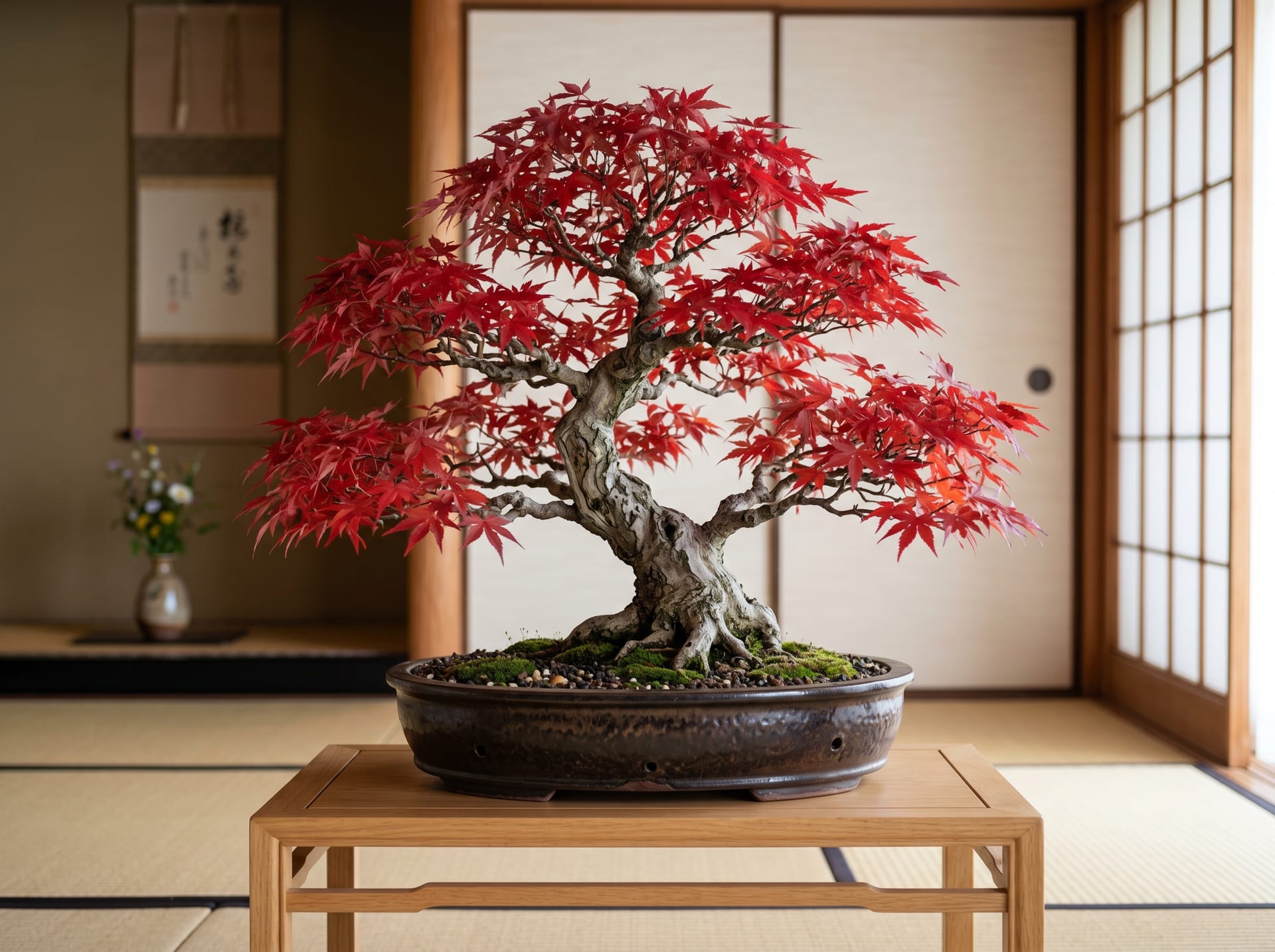
Japanese Maple
Japanese Maple (Momiji) bonsai is a beloved native species that showcases stunning seasonal changes — fresh green in spring, deep foliage in summer, and brilliant crimson in autumn. Its delicately lobed leaves and elegantly developing trunk make it a favorite among beginners and experienced growers alike. With proper seasonal care, it can be enjoyed for decades.
Grower Wanted!
List your plants on GrowerDirect and sell directly to customers nationwide!
6 Transparency Commitments from GrowerDirect
Growers clearly display the following information for all Bonsai listings. Guaranteed transparency for tree variety, origin, light requirements, and difficulty level.
- Tree Variety
- Real Photos
- Color & Appearance
- Growing Region
- Light Requirements
- Difficulty Level
Browse all 144 varieties
Light Requirements
Difficulty Level
Verified growers wanted for Bonsai
Growers are signing up now ahead of launch. Subscribe to be notified when new listings go live.
Getting alerts is free with a member account. When new listings match your saved search, we'll notify you by email and in-app.
Browse other categories
Verified growers (preview)
About Japanese Maple
Japanese Maple (Acer palmatum) is a deciduous tree native to Japan, China, and the Korean Peninsula, celebrated since ancient times in poetry and painting as the symbol of autumn foliage viewing. Its history as a bonsai subject dates back to the Edo period, when it was cherished by samurai households and literati alike. The deeply palmate leaves, divided into five to nine lobes, vary widely in shape and color across cultivars, making them perennially popular among collectors. Spring brings softly reddish new growth, summer offers refreshing deep green, and autumn delivers a spectacular transformation into reds, oranges, and yellows unique to each variety. Even in winter, the delicate branching silhouette after leaf drop holds a quiet, austere beauty. While relatively vigorous and approachable to cultivate, building a refined tree form takes many years—and it is precisely that accumulated time which gives a Japanese Maple bonsai its unmatched depth and presence.
7 things to know before growing Japanese Maple
1Grow Outdoors
Japanese Maple needs outdoor conditions — natural sunlight and seasonal temperature changes — to develop its signature autumn colors. A sunny spot is ideal, but during intense midsummer heat, partial shade helps prevent leaf scorch. Long-term indoor placement weakens the tree and should be avoided.
2Water Thoroughly
The basic rule is to water thoroughly once the soil surface dries out. Japanese Maple is somewhat sensitive to drought, and during summer, twice-daily watering may be needed. However, waterlogged soil can cause root rot, so well-draining soil and a pot with good drainage are essential.
3Cold Winters Deepen Color
Sharp differences between daytime and nighttime temperatures in autumn are key to vivid red coloring. The tree can tolerate frost, but frozen soil in the pot can damage roots — in cold regions, shelter under eaves or use a simple windbreak. Bringing it into a fully heated room disrupts the dormancy period after leaf drop.
4Fertilize Moderately
Apply slow-release solid fertilizer once or twice a month from spring budding through pre-autumn leaf drop. Excess nitrogen causes vigorous, unwanted growth that disrupts the tree's shape, so choose a fertilizer with a higher phosphorus and potassium ratio. Avoid fertilizing in midsummer and during winter dormancy.
5Pruning Shapes the Tree
The best times to prune are after leaf drop in winter (December–February) and in early summer (around June) after new shoots have hardened. Removing unnecessary branches improves light and airflow and encourages finer branching. Apply wound sealant after cutting thick branches to promote faster healing.
6Repot Every 2–3 Years
When roots begin circling inside the pot, it's time to repot. The ideal timing is just before spring buds open (February–March). Trim roots by about one-third and replant in fresh soil. A mix based on akadama (Japanese red clay) with good drainage works well. After repotting, keep the tree out of direct sun for a while to reduce stress.
7Watch for Pests and Disease
Japanese Maple is prone to aphids, scale insects, and powdery mildew. Regular inspection of leaves and branches is important for early detection. Most infestations can be treated with commercially available pesticides or fungicides, but ensuring good air circulation around the tree is the most effective preventive measure.
Frequently asked questions about Japanese Maple
- Q.Can Japanese Maple bonsai be grown indoors?
- A.Japanese Maple is a deciduous tree that requires outdoor conditions, including cold temperatures during winter dormancy. Keeping it indoors year-round prevents the natural seasonal cycle and gradually weakens the tree. Bring it inside only briefly for display, then return it promptly to an outdoor environment.
- Q.How do I achieve beautiful autumn color?
- A.Large day-to-night temperature differences intensify autumn color, so leaving the tree outdoors from September onward to experience natural temperature swings is essential. Keeping the foliage healthy through summer and switching to a low-nitrogen fertilizer in autumn also enhances coloration. Careful summer management to prevent leaf scorch and disease is equally important.
- Q.The leaves dried up and fell off—is the tree okay?
- A.Natural leaf drop in autumn and winter is completely normal. However, if leaves suddenly wither and fall in summer, the cause is often root rot, severe drought stress, or pest and disease damage. Check the condition of the roots and soil moisture, and address the underlying cause accordingly.
- Q.How often does Japanese Maple bonsai need repotting?
- A.Repotting every two to three years in late February to early March, just before buds break, is the general guideline. Young trees with faster root growth may need annual repotting. Signs that repotting is due include roots emerging from the drainage holes and noticeably poor water drainage through the soil.
- Q.What fertilizer is best for Japanese Maple bonsai?
- A.During the growing season from spring to early summer, apply a balanced slow-release organic fertilizer such as oil-cake pellets. Reduce feeding in summer due to heat stress. In autumn, choose a fertilizer higher in phosphorus and potassium to support vivid color and nutrient storage for the following year. No fertilizer is needed during winter dormancy.
Handy Growing Tools for Japanese Maple
Japanese Maple related articles
How to Make Japanese Maple Bonsai Autumn Foliage Beautiful | Techniques to Bring Out Vivid Red Coloring
Explains the care methods for making Japanese maple bonsai autumn foliage beautiful. Introduces the mechanism of fall color change, summer leaf care, use of sunlight and temperature differences, defoliation techniques, and characteristics of foliage color by variety.
Tips for Beautiful Autumn Foliage on Deciduous Bonsai | Autumn Care for Japanese Maple
How to care for deciduous tree bonsai like Japanese maple to bring out vibrant autumn colors. This article covers using temperature differences, preventing leaf burn in summer, adjusting fertilizer, watering adjustments, and tips for achieving uniform leaf size.
More in this category
Can't find the plant you're looking for?
Post your wishes for free and growers with matching plants will contact you with introductions.