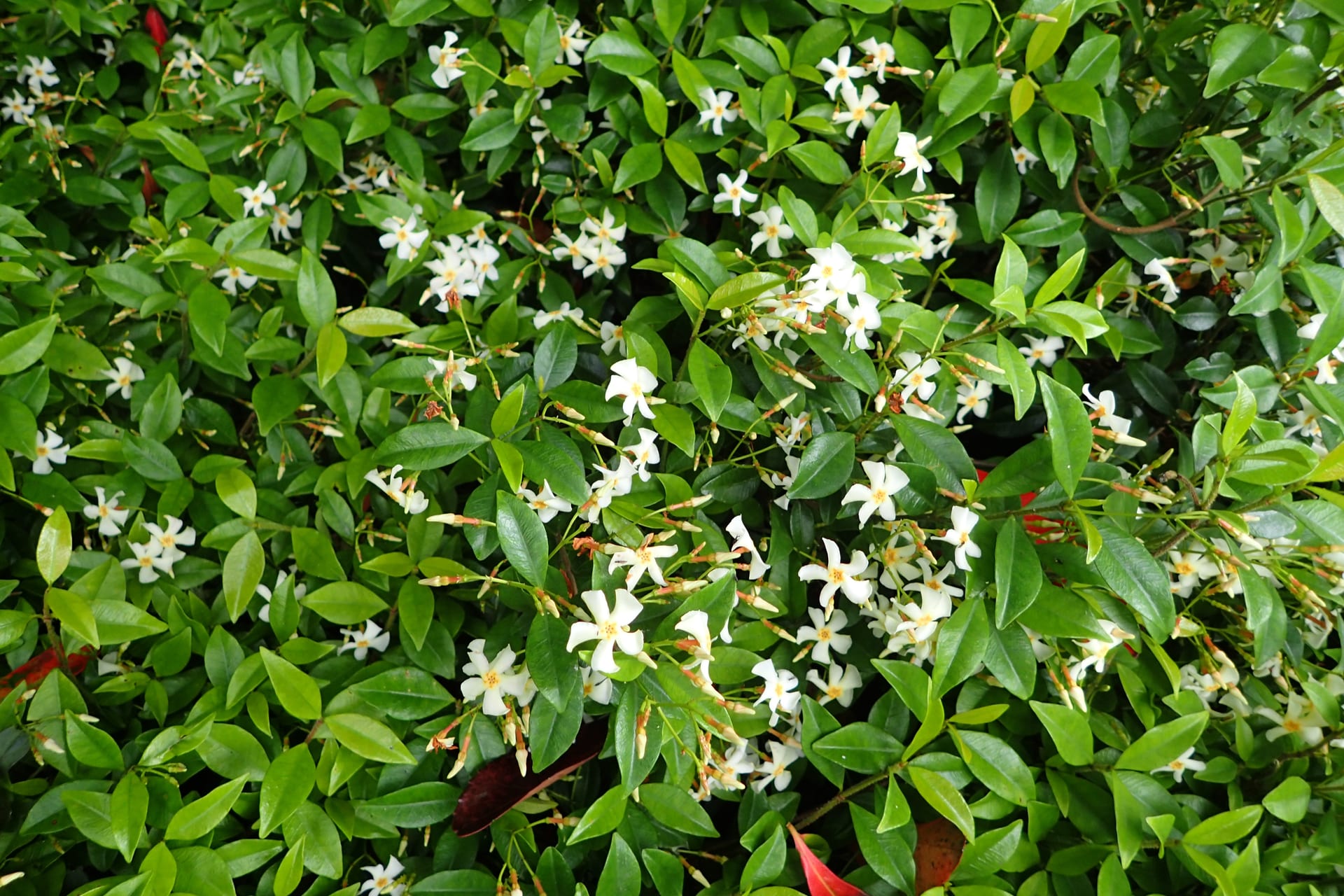
 © Krzysztof Ziarnek, Kenraiz / CC BY-SA 4.0
Asiatic jasmine
Asiatic jasmine (Trachelospermum asiaticum) is an evergreen vine cherished for its twisted white early-summer flowers and their strong, sweet fragrance. For bonsai, growers favor small-leaved forms such as 'Chirimen-kazura,' prized for crinkled foliage, reddish new growth, and rich color in winter. The vine naturally grows long, but it tolerates pruning well, so a bonsai specimen stays compact and manageable even in a small space. It's considered an easy, forgiving plant, making it a good choice for anyone new to bonsai.
View Asiatic jasmine encyclopedia →0% commission on your first sales!Register by September 30, 2026 and your first 2 plants are commission-free!
Grower Wanted!
List your plants on GrowerDirect and sell directly to customers nationwide!
6 Transparency Commitments from GrowerDirect
Growers clearly display the following information for all Bonsai listings. Guaranteed transparency for tree variety, origin, light requirements, and difficulty level.
- Tree Variety
- Real Photos
- Color & Appearance
- Growing Region
- Light Requirements
- Difficulty Level
Browse all 144 varieties
Light Requirements
Difficulty Level
Verified growers wanted for Bonsai
Growers are signing up now ahead of launch. Subscribe to be notified when new listings go live.
Getting alerts is free with a member account. When new listings match your saved search, we'll notify you by email and in-app.
Browse other categories
Verified growers (preview)
Asiatic jasmine key facts
- Growing Difficulty
- Beginner-friendly
- Lifespan
- Little data on lifespan
- Size
- Vines reach 5–10 m (kept small by pruning as bonsai)
- Watering
- Fertilizer (monthly April–October)
- Light & placement
- Sunny, airy spot; the chirimen form is said not to need summer shading
- Watering
- Water young plants generously; once the shape is set, water more sparingly to keep leaves small
- Temperature & overwintering
- The species is cold-hardy, but one guide calls the chirimen form tender; overwinter in a cold frame or indoors away from direct heating
- Soil & repotting
- Repot early to mid-May: yearly when young, every 2 years when mature, in about 8 parts akadama to 2 parts grit
- Fertilizer
- Monthly organic fertilizer such as oilcake April–October to keep the leaves glossy
- Pruning & styling
- On established plants cut new and last year's shoots to 1–2 nodes in mid-May, then trim later growth to about 2 nodes until August. Wire June–July; thick stems hardly set
- Pests & cautions
- Few pests, though aphids may visit new shoots. The white sap is toxic and can irritate skin—wear gloves
About Asiatic jasmine
Asiatic jasmine is an evergreen vine with fragrant white summer flowers. Bonsai growers favor small-leaved forms prized for red new growth and winter color, and pruning keeps it compact — an easy choice for beginners.
7 things to know before growing Asiatic jasmine
1Sun and Airflow
Grow it outdoors in a sunny, well-ventilated spot; good air circulation also helps keep pests and disease down. Chirimen-kazura, the form most often used for bonsai, is said not to need summer shading.
2Watering Basics
Water thoroughly once the soil surface dries out. Because the dense, vining foliage draws a fair amount of moisture, keep an eye out during dry spells so the plant doesn't dry out completely. In winter, growth slows, so watering can be reduced.
3Well-Draining Soil
Asiatic jasmine dislikes waterlogged roots, so a well-draining soil mix is essential. A standard bonsai soil blended with akadama and pumice improves aeration. If the mix becomes compacted over time, it can restrict root growth, so it's worth reviewing periodically.
4Repotting
Repot in early to mid-May: every year for young plants and every other year for mature ones. A mix of about eight parts akadama to two parts Kiryu sand is commonly used. Lightly tidying the roots at repotting helps keep growth steady afterward.
5Pruning to Shape
Because the vine grows long, regular pruning is essential to keep a bonsai in shape. On established trees, cut new shoots and the previous year's growth back to one or two nodes in mid-May, then keep trimming later growth back to about two nodes until around August. Repeated pruning encourages branching and gives the tree a more mature bonsai character.
6Early-Summer Blooms
In early summer, Asiatic jasmine produces distinctive twisted white flowers with a strong, sweet fragrance that can fill the surrounding air. The spent flowers drop naturally afterward, though they can be picked off by hand if their appearance is a concern.
7Choosing a Plant
For bonsai, small-leaved cultivars such as "Chirimen-kazura," with their crinkled foliage, are especially popular. Look for a plant with dense branching and leaves free of damage or discoloration, since that tends to be easier to manage. Because the color of new growth and winter foliage varies from plant to plant, it's worth observing a few specimens closely before choosing.
Frequently asked questions about Asiatic jasmine
- Q.Is Asiatic jasmine a good choice for beginners?
- A.Yes, it's generally considered a hardy, beginner-friendly plant. With good sunlight, well-draining soil, and routine watering and pruning, it can be grown without much difficulty.
- Q.Which cultivar should I choose for bonsai?
- A.Small-leaved cultivars such as "Chirimen-kazura," known for their crinkled foliage, are especially favored for bonsai. Look for a plant with dense branching and healthy-looking leaves, as it will be easier to manage.
- Q.What should I do if the vine grows too long?
- A.The vine naturally grows long, so trim overly long growth regularly. On established trees, cutting new growth back to about two nodes from mid-May until around August keeps the shape compact.
- Q.What does the fragrance smell like?
- A.The twisted white flowers that bloom in early summer give off a strong, sweet fragrance. During the flowering period, the scent can spread through the surrounding area.
- Q.Is there anything special to watch for in winter?
- A.Although it's evergreen, growth slows in winter, so watering should be reduced. It's also a season when you can enjoy the reddish coloring of the winter foliage.
Handy Growing Tools for Asiatic jasmine
Learn more about Asiatic jasmine in the encyclopedia
View Asiatic jasmine encyclopedia entry →
Care difficulty, size, origin and light needs — all basics covered.
More in this category
Can't find the plant you're looking for?
Post your wishes for free and growers with matching plants will contact you with introductions.