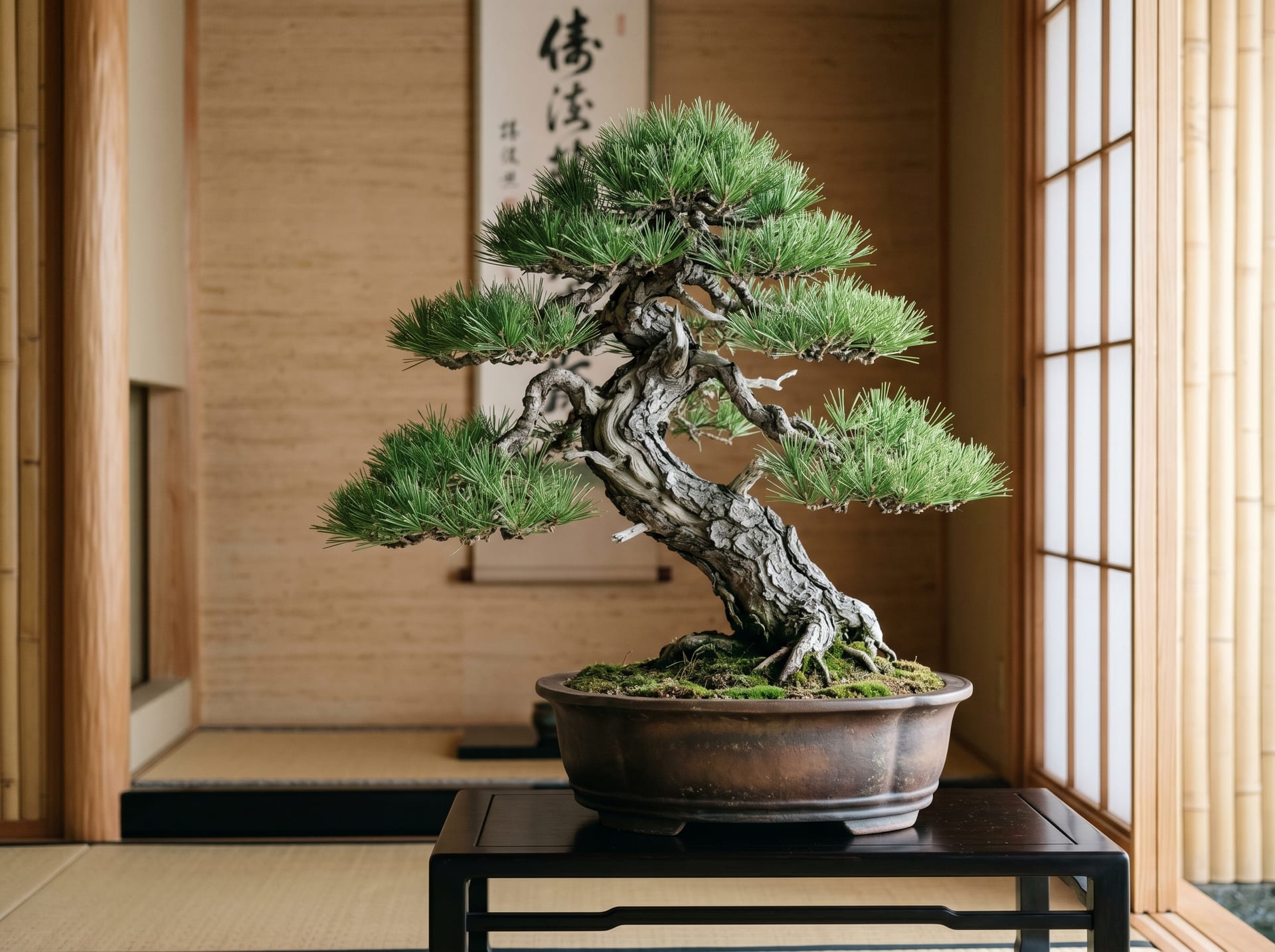
Japanese White Pine
One of the supreme bonsai species. Short needles in bundles of five and dignified trunk character. Slow growth maintains form well. Good entry point for conifer bonsai.
View Japanese White Pine encyclopedia →Grower Wanted!
List your plants on GrowerDirect and sell directly to customers nationwide!
6 Transparency Commitments from GrowerDirect
Growers clearly display the following information for all Bonsai listings. Guaranteed transparency for tree variety, origin, light requirements, and difficulty level.
- Tree Variety
- Real Photos
- Color & Appearance
- Growing Region
- Light Requirements
- Difficulty Level
Browse all 144 varieties
Light Requirements
Difficulty Level
Verified growers wanted for Bonsai
Growers are signing up now ahead of launch. Subscribe to be notified when new listings go live.
Getting alerts is free with a member account. When new listings match your saved search, we'll notify you by email and in-app.
Browse other categories
Verified growers (preview)
Japanese White Pine key facts
- Growing Difficulty
- Intermediate
- Lifespan
- Centuries (50+ years as bonsai)
- Size
- 10-80cm (bonsai size)
- Temperature
- -15〜35℃
- Watering
- Solid organic fertilizer in spring and fall
- Placement
- Outdoor sunny location. Good air circulation is important
- Watering
- Water when topsoil dries. Pines prefer slightly dry conditions
- Styling
- Candle pinching and old needle removal for compact foliage and form
- Notes
- Repot every 3-5 years. Extend intervals for older specimens
About Japanese White Pine
Japanese White Pine (Pinus parviflora) is an evergreen conifer native to the mountain regions of Japan, long regarded as one of the premier species in the bonsai tradition. Its name reflects the defining characteristic of five needles bundled together at each point, forming short, slightly curved clusters with a delicate, refined appearance. Over time the trunk develops a naturally rugged texture, its bark breaking into grey-white scales that lend an unmistakable sense of age and gravitas. Because the tree grows slowly, its carefully shaped silhouette tends to hold for years without rapidly changing, allowing growers to enjoy a mature-looking composition for an extended period. In the bonsai world it is often called the king of pine and cypress, and it lends itself to a wide range of classical styles including formal upright, informal upright, and cascade. Cultivation centers on year-round outdoor care combined with regular candle pinching and needle thinning — a patient, meditative practice that is itself a central part of the appeal for dedicated enthusiasts.
7 things to know before growing Japanese White Pine
1Sunlight and Placement
Goyo Matsu should be kept outdoors in a well-lit spot throughout the year. Strong afternoon sun in summer can cause needle burn, so partial shade during the hottest hours is advisable. In winter, move it to a sheltered spot such as under eaves to protect it from frost and strong winds while maintaining good air circulation.
2Watering Basics
Water thoroughly until it drains from the bottom whenever the surface soil begins to dry out. Overwatering causes root rot, so using well-draining soil and a pot with adequate drainage holes is equally important. During summer, twice-daily watering may be needed; in winter, reduce to a few times per week.
3Fertilizing Schedule
The main fertilizing periods are spring (March–May) and autumn (September–October). Applying nitrogen-rich liquid or solid fertilizer regularly during these times supports strong budding and healthy needles the following season. Reduce or stop fertilizing during the intense summer heat and through winter to allow the tree to rest.
4Bud Pinching and Shaping
Bud pinching (midori-tumi) is the most important technique for shaping Goyo Matsu. Pinching new spring shoots to an appropriate length keeps branches compact and maintains balanced form. The key is to pinch vigorous buds shorter while leaving weaker buds longer, which helps equalize energy distribution across the whole tree.
5Repotting Cycle
Due to its slow growth, repotting is generally done every 3–4 years for young trees and every 5–7 years for mature ones. The best time is just before spring budding, around February to March. Avoid removing too many roots at once — trimming roughly one-third of the root mass is a safe guideline to prevent stress.
6Pests and Diseases
Watch for needle diseases such as sooty needle blight and needle cast, which can affect the foliage. Aphids and scale insects may also appear, and early detection followed by appropriate pesticide treatment is effective. Maintaining good air circulation and avoiding excessive humidity around the tree are the best preventive measures.
7Long-Term Costs
Prices for Goyo Matsu vary widely — small shohin trees can be found for a few thousand yen, while aged specimen trees with refined character may cost hundreds of thousands. Annual running costs for soil, fertilizer, and pest control typically amount to several thousand yen. For techniques like wiring and pruning, joining a bonsai class or consulting a specialist is a worthwhile option for those less experienced.
Frequently asked questions about Japanese White Pine
- Q.Can a beginner successfully grow a Japanese White Pine bonsai?
- A.Japanese White Pine is considered one of the more approachable conifer species for beginners due to its slow growth and stable form. That said, consistent attention to watering, candle pinching, and seasonal care is still required. Joining a local bonsai club or consulting introductory guides can significantly accelerate your learning.
- Q.Can Japanese White Pine be grown indoors?
- A.Japanese White Pine requires outdoor conditions, including natural temperature fluctuations and direct sunlight, so it is not suitable for permanent indoor cultivation. Brief periods inside for display purposes are acceptable, but keeping it indoors for more than a few days at a time will weaken the tree over time. Plan around outdoor care as the default.
- Q.Why are the needles on my tree turning brown?
- A.In autumn and early winter it is normal for older inner needles to yellow and drop in a natural shedding process. However, if newer outer needles are also discoloring, the cause may be root rot from overwatering, pest or disease activity, or severe drought stress. Pay attention to which needles are affected and the time of year to identify the likely cause.
- Q.When and how often should I repot?
- A.The best time to repot is late February to March, just before the buds begin to open. Young trees benefit from repotting every three to four years, while established specimens can often go five years or more. Checking the soil drainage periodically helps you catch root-bound conditions before they cause problems.
- Q.What should I look for when buying a Japanese White Pine bonsai?
- A.Look for a trunk with good girth and natural movement, and branches that are distributed in a balanced arrangement across the tree. Healthy needles should be a deep, glossy green with no signs of pest damage or disease. Preparing your care setup — placement, watering routine — before the tree arrives helps minimize stress from the change in environment.
Handy Growing Tools for Japanese White Pine
Learn more about Japanese White Pine in the encyclopedia
View Japanese White Pine encyclopedia entry →
Care difficulty, size, origin and light needs — all basics covered.
Japanese White Pine related articles
See more Japanese White Pine articles →More in this category
Can't find the plant you're looking for?
Post your wishes for free and growers with matching plants will contact you with introductions.