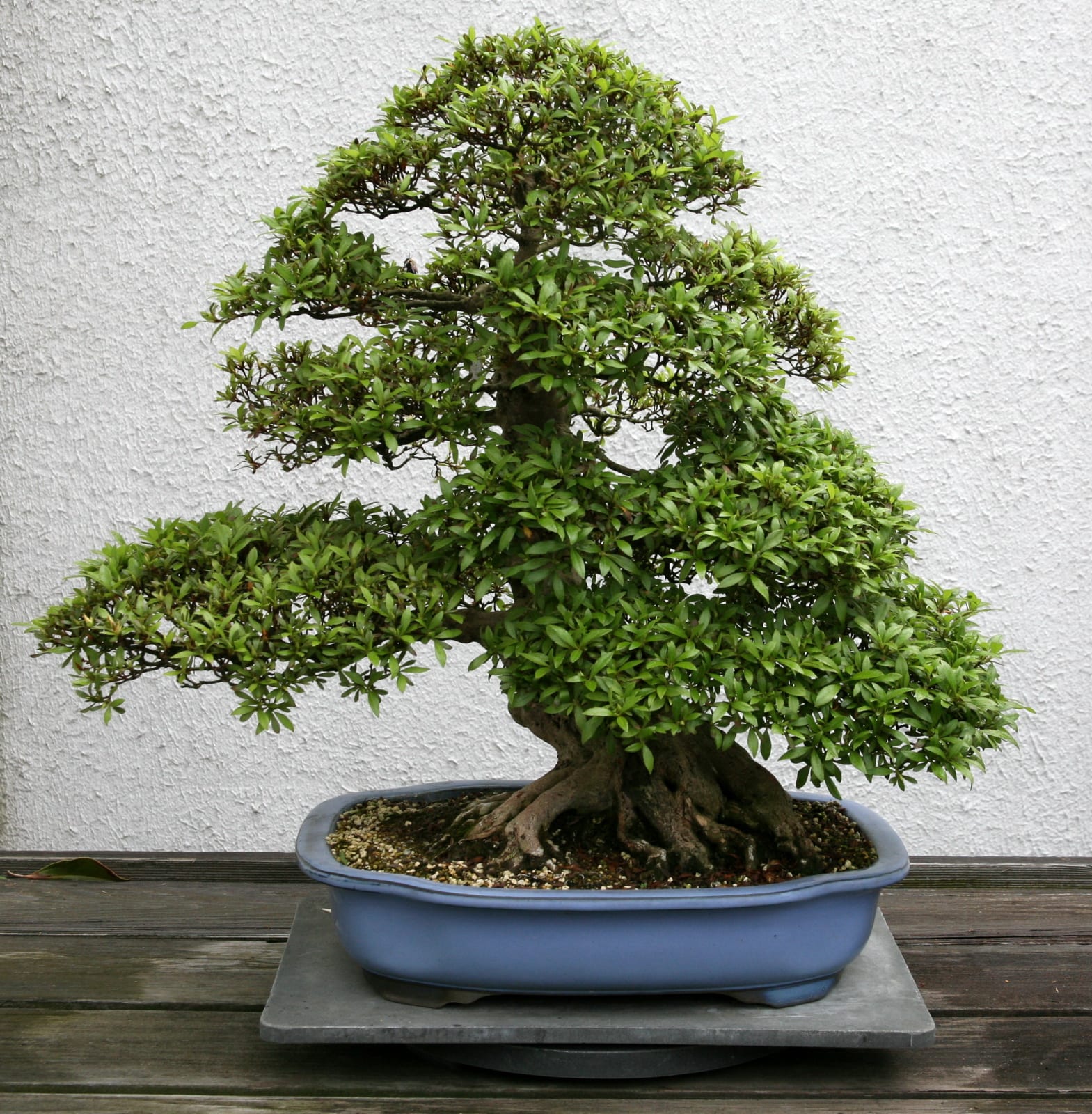
 © Cliff from Arlington, Virginia, USA / CC BY 2.0
Satsuki azalea 'Kozan'
Kozan is one of the classic satsuki azalea varieties that has been cultivated in Japan since before the Meiji era. Its exact lineage is unclear, but it has long been treasured by bonsai enthusiasts as a historic cultivar. The flowers are small, with soft brownish to pale pink tones that lend a quiet, refined charm. Its leaves are slightly narrow and elongated, and the tree branches and buds readily, making it easy to shape into an attractive silhouette. Thanks to its hardy, vigorous growth habit, Kozan is manageable to train and can be developed into bonsai ranging from small shohin sizes up to large specimens.
View Satsuki azalea 'Kozan' encyclopedia →0% commission on your first sales!Register by September 30, 2026 and your first 2 plants are commission-free!
Grower Wanted!
List your plants on GrowerDirect and sell directly to customers nationwide!
6 Transparency Commitments from GrowerDirect
Growers clearly display the following information for all Bonsai listings. Guaranteed transparency for tree variety, origin, light requirements, and difficulty level.
- Tree Variety
- Real Photos
- Color & Appearance
- Growing Region
- Light Requirements
- Difficulty Level
Browse all 144 varieties
Light Requirements
Difficulty Level
Verified growers wanted for Bonsai
Growers are signing up now ahead of launch. Subscribe to be notified when new listings go live.
Getting alerts is free with a member account. When new listings match your saved search, we'll notify you by email and in-app.
Browse other categories
Verified growers (preview)
Satsuki azalea 'Kozan' key facts
- Growing Difficulty
- Intermediate
- Lifespan
- Little data for the cultivar (many old specimen trees exist)
- Size
- Grown as bonsai from shohin to large sizes
- Watering
- Fertilizer (April, June after flowering, Sept–Oct)
- Light & placement
- Likes light, but summer sun scorches leaves and roots. Give young plants full sun; keep finished trees in part shade, always with good airflow
- Watering
- Likes water but its fine roots rot if waterlogged: 1–2 times daily in spring, 2–3 in summer, every 2–3 days in winter. Avoid watering in the midday heat
- Temperature & overwintering
- Reasonably hardy but dislikes cold winter wind; keep the pot from freezing under eaves or similar
- Soil & repotting
- Coarse, acidic kanuma-based mix. Repot right after flowering (June) or in autumn (late Sep–early Oct); protect autumn-repotted plants carefully in winter
- Fertilizer
- Solid fertilizer about April as new leaves harden, after flowering in June, and monthly in Sep–Oct. Underfeeding causes dieback
- Pruning & styling
- Flower buds form in July to mid-August, so finish pinching and pruning in June (early July west of Kanto). Wire in April and Sep–Oct
- Pests & cautions
- Especially pest-prone: lace bugs, spider mites, aphids and thrips are common, so regular control is needed in the growing season
About Satsuki azalea 'Kozan'
Kozan is a classic satsuki azalea of unknown lineage, cultivated since before the Meiji era. It bears small brownish-pink flowers and grows vigorously, making it well suited to bonsai training in sizes from small to large.
7 things to know before growing Satsuki azalea 'Kozan'
1Sunlight & Placement
Kozan enjoys good sunlight, but strong direct sun or afternoon western light in midsummer can scorch its leaves. Place it in full sun during spring and autumn, and move it to partial shade or use a shade cloth to soften the light during the hottest summer months.
2Watering Basics
Satsuki azaleas have fine roots that are sensitive to drying out, so the basic rule is to water thoroughly once the soil surface feels dry. Be especially careful not to let the soil dry out during summer, when flower buds are forming, and water during the cooler morning or evening hours.
3Choosing the Right Soil
Kozan, like other satsuki azaleas, prefers soil that balances water retention with good drainage. A mix based mainly on kanuma soil is commonly used, since soil that drains poorly or dries out too quickly can damage the roots.
4When to Repot
Because satsuki roots are delicate, repotting is generally done around the time new shoots begin to emerge after flowering. Repot roughly once every few years, taking care not to disturb the root ball too aggressively.
5Seasonal Care
Kozan branches and buds readily, so pruning and pinching after flowering make it easy to maintain its shape over time. In winter, keeping the tree sheltered from frost and cold winds helps reduce stress on the plant.
6What to Look for in a Tree
Kozan has been cultivated for generations, and some specimens have been trained into notable bonsai over many years. Look for a tree with densely growing branches and healthy budding out to the tips, which makes ongoing care easier.
7Flower Color & Blooming
Kozan's small flowers range from soft brownish to pale pink, giving them a subtle, refined appearance. The depth of color can vary somewhat from year to year on the same tree, which is part of its charm.
Frequently asked questions about Satsuki azalea 'Kozan'
- Q.Is Kozan a good choice for beginners?
- A.Kozan is generally considered suitable for intermediate growers who already understand the basics of satsuki azalea care. It has a hardy growth habit with good branching and budding, but the roots need attention to avoid drying out.
- Q.What does Kozan's flower color look like?
- A.Kozan produces small flowers in soft brownish to pale pink tones. They aren't flashy, but their understated, refined color has been valued by bonsai growers for generations.
- Q.How large can a Kozan bonsai be trained?
- A.Kozan can be trained into bonsai ranging from small shohin sizes up to large specimens. The pace of pruning and repotting can be adjusted depending on the size you're aiming for.
- Q.Where does the name Kozan come from?
- A.Kozan is an old cultivar that has been grown since before the Meiji era, but little detailed record survives about its exact lineage or the origin of its name. It remains one of the historic varieties long cherished in bonsai culture.
- Q.What are the leaves and branches of Kozan like?
- A.Kozan has slightly narrow, elongated leaves, and its branches take shape easily with good budding. This trait makes it easier to train and maintain an attractive silhouette as bonsai.
Handy Growing Tools for Satsuki azalea 'Kozan'
Learn more about Satsuki azalea 'Kozan' in the encyclopedia
View Satsuki azalea 'Kozan' encyclopedia entry →
Care difficulty, size, origin and light needs — all basics covered.
More in this category
Can't find the plant you're looking for?
Post your wishes for free and growers with matching plants will contact you with introductions.