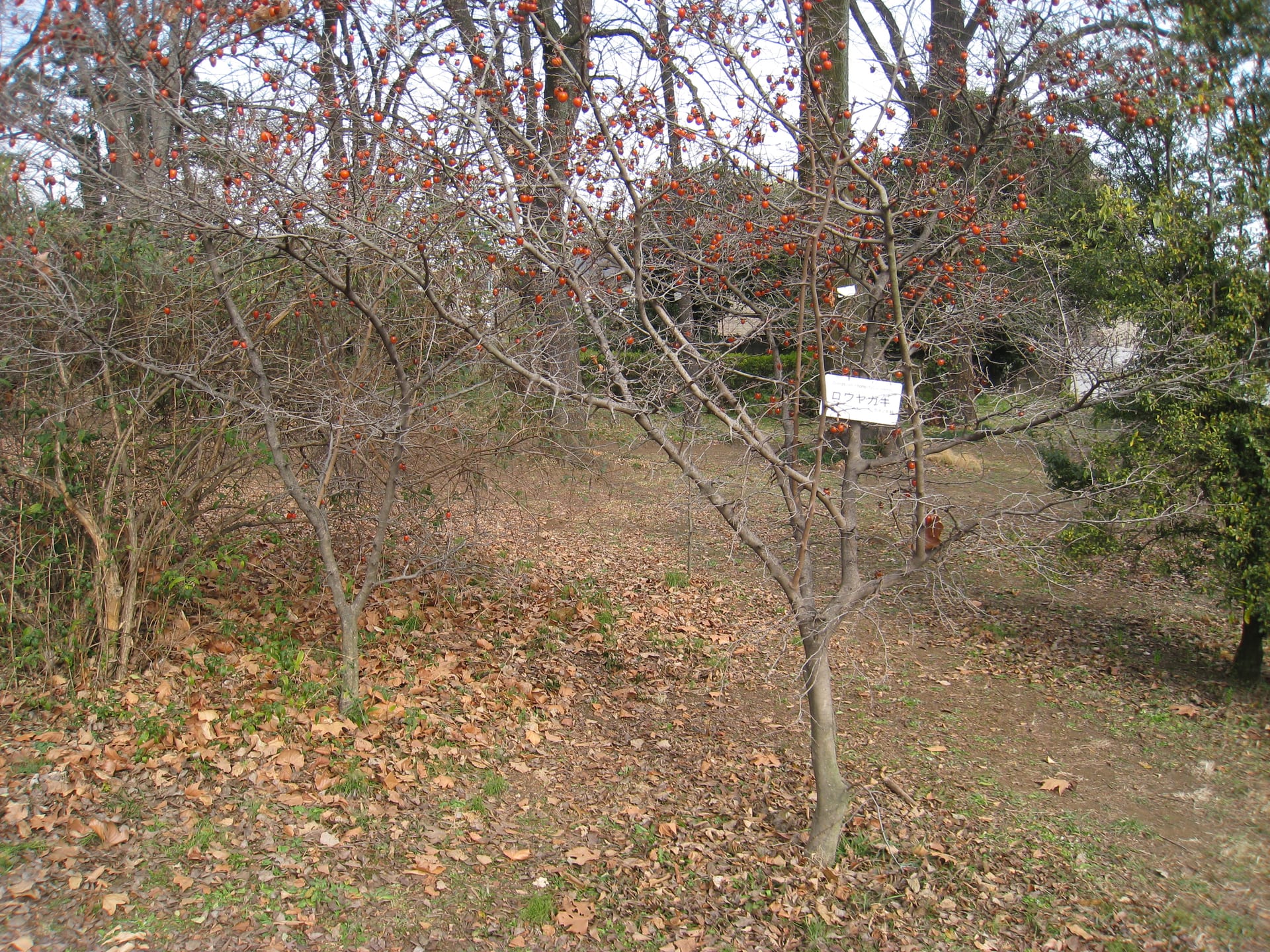
 © Daderot / Public domain
Rhombic-leaf persimmon
Rōya-gaki (Diospyros rhombifolia), known in English as the rhombic-leaf persimmon, is a small persimmon species native to China, valued in bonsai for its rounded, diamond-shaped leaves and tiny pointed orange fruit that colors up in autumn. In the wild it can grow as a shrub or small tree up to around 8 meters tall, but as bonsai it is trained into mini to medium-sized forms that still display fruit within a pot. Because the species is dioecious, the usual way to get fruit is to keep a male tree and hand-pollinate, although some cultivars set fruit without cross-pollination. Growing it well calls for some intermediate-level experience, but the interplay of foliage and fruit gives this variety a distinctive bonsai character.
View Rhombic-leaf persimmon encyclopedia →0% commission on your first sales!Register by September 30, 2026 and your first 2 plants are commission-free!
Grower Wanted!
List your plants on GrowerDirect and sell directly to customers nationwide!
6 Transparency Commitments from GrowerDirect
Growers clearly display the following information for all Bonsai listings. Guaranteed transparency for tree variety, origin, light requirements, and difficulty level.
- Tree Variety
- Real Photos
- Color & Appearance
- Growing Region
- Light Requirements
- Difficulty Level
Browse all 144 varieties
Light Requirements
Difficulty Level
Verified growers wanted for Bonsai
Growers are signing up now ahead of launch. Subscribe to be notified when new listings go live.
Getting alerts is free with a member account. When new listings match your saved search, we'll notify you by email and in-app.
Browse other categories
Verified growers (preview)
Rhombic-leaf persimmon key facts
- Growing Difficulty
- Intermediate
- Lifespan
- Little data on lifespan
- Size
- Shrub or tree to 8 m in nature (bonsai: mini to medium)
- Watering
- Fertilizer (generous from fruit set to August, plus an autumn top-up)
- Light & placement
- Sun and good airflow improve fruiting; shield small trees from strong afternoon sun in summer
- Watering
- Prone to root rot in hot, wet conditions—avoid overwatering. 1–2 times daily in spring, 2–3 in summer, when the surface dries
- Temperature & overwintering
- Tolerates heat and cold (to about USDA zone 7b). Protect small trees, over-cropped ones and autumn-repotted plants from freezing and drying wind
- Soil & repotting
- Hard akadama with 20–30% river sand. Repot young trees every other year, old ones every 3–5 years, ideally late Aug–mid Sep or before budbreak; never in April–May
- Fertilizer
- Go light in spring (it can cause fruit drop). Feed from fruit set until August, pause in early autumn, then top up in mid-October
- Pruning & styling
- Let shoots extend, then cut back to 2–3 nodes. Prune and wire late Feb–March and Nov–Dec; branches snap easily, so avoid hard bends
- Pests & cautions
- Watch for aphids, thrips and scale. Being dioecious, fruit needs a male tree and hand pollination in April–May
About Rhombic-leaf persimmon
Rōya-gaki is a small Chinese persimmon bonsai known for diamond-shaped leaves and tiny orange fruit. It's dioecious, so fruit usually needs pollen from a male tree (some cultivars fruit without it), and it suits intermediate-level growers.
7 things to know before growing Rhombic-leaf persimmon
1Sun and Air Circulation
Rōya-gaki thrives outdoors in a spot with plenty of sun and good air circulation. Strong direct sun in midsummer can scorch the leaves, so moving it to partial shade during the hottest stretch of summer is a good precaution.
2Watering Basics
Water thoroughly once the surface of the soil dries out. The tree can dry out quickly while fruiting or during summer heat, so keep an eye on soil moisture, and ease off on watering in winter when growth slows.
3Well-Draining Soil Matters
Because Rōya-gaki is prone to root rot in soggy soil, use a well-draining, well-aerated bonsai mix, such as a standard akadama-based blend. Good drainage keeps the roots healthy through the growing season.
4When to Repot
Repot once the roots have filled the pot. Doing this while growth has settled down puts less stress on the tree, and trimming the roots at repotting time helps keep drainage and growth stable afterward.
5Winter Care
As temperatures drop, Rōya-gaki tends to shed its leaves and enter a dormant period. Depending on your climate, some winter protection may be needed, so pay attention to where you keep it, and water more sparingly (without letting it dry out completely) during dormancy.
6Check the Sex and Cultivar Name
Rōya-gaki is dioecious, so the usual way to get fruit is to keep a male tree and hand-pollinate with its pollen. Some cultivars, however, set fruit without cross-pollination. When buying, check whether the tree is male or female and what cultivar it is, which makes later care much easier to plan.
7Choosing a Good Specimen
Leaf color, branch shape, and how fruit sets can vary from tree to tree, so look closely at the description as well as the photos when choosing. Since this variety suits intermediate growers, it helps to review the basics of its care beforehand if this is your first fruiting bonsai.
Frequently asked questions about Rhombic-leaf persimmon
- Q.Is Rōya-gaki suitable for beginners?
- A.Rōya-gaki is generally considered a variety for intermediate growers, with a few things to learn around watering, soil, and its male/female habit. Anyone with some basic bonsai experience should find it manageable.
- Q.What does it take to get fruit on the tree?
- A.Rōya-gaki is dioecious, so in most cases you need a male tree and hand-pollination with its pollen. Some cultivars set fruit without cross-pollination, so check whether the tree is male or female and what cultivar it is when you buy.
- Q.How large does it grow?
- A.In the wild it can grow as a shrub or small tree up to around 8 meters tall, but as bonsai it's trained into mini to medium-sized forms. That means it can be kept small and well-balanced even in a pot.
- Q.How should I care for it in winter?
- A.As temperatures fall, it tends to drop its leaves and enter dormancy. During this period, water less often and keep the soil somewhat drier than during the growing season.
- Q.When is the right time to repot?
- A.Repot once the roots have filled the pot. Doing it while growth has settled down, then trimming the roots and replanting in well-draining soil, helps minimize stress on the tree.
Handy Growing Tools for Rhombic-leaf persimmon
Learn more about Rhombic-leaf persimmon in the encyclopedia
View Rhombic-leaf persimmon encyclopedia entry →
Care difficulty, size, origin and light needs — all basics covered.
More in this category
Can't find the plant you're looking for?
Post your wishes for free and growers with matching plants will contact you with introductions.