 © Shuvaev / CC BY 4.0
Dwarf pomegranate
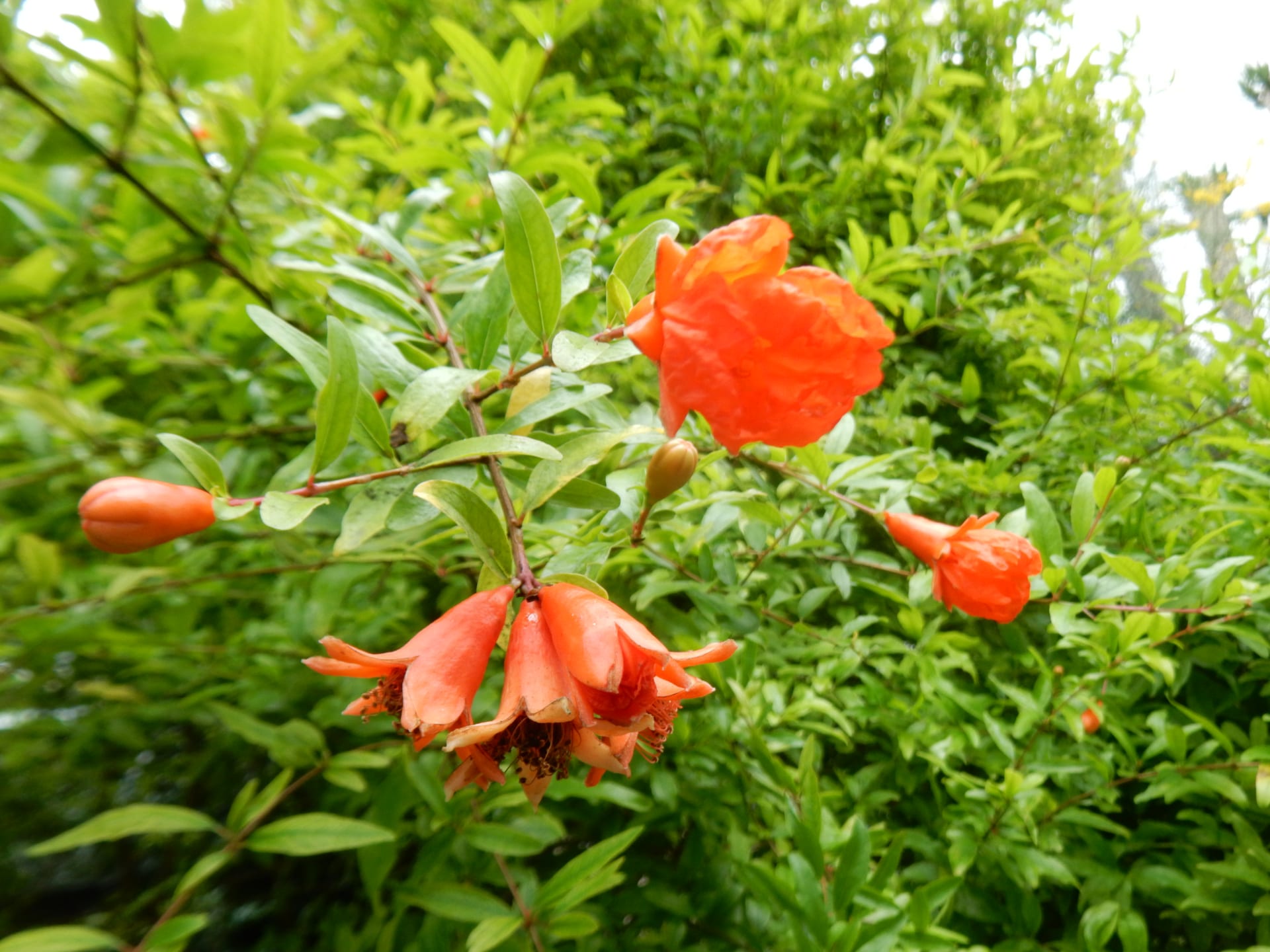
The dwarf pomegranate (Hime-zakuro) is a compact variety of pomegranate bred to stay low and small, making it a popular choice for container gardens and mini bonsai. In early summer it produces wrinkled, vermilion-red flowers, and when pollination succeeds, small fruit can be enjoyed alongside the blooms. Both its flowers and fruit are noticeably smaller than those of a standard pomegranate, so it suits growers with limited space. Also sold under the name "Issai-zakuro," it is considered an easy plant for beginners once the basics of care are understood.
View Dwarf pomegranate encyclopedia →0% commission on your first sales!Register by September 30, 2026 and your first 2 plants are commission-free!
Grower Wanted!
List your plants on GrowerDirect and sell directly to customers nationwide!
6 Transparency Commitments from GrowerDirect
Growers clearly display the following information for all Bonsai listings. Guaranteed transparency for tree variety, origin, light requirements, and difficulty level.
- Tree Variety
- Real Photos
- Color & Appearance
- Growing Region
- Light Requirements
- Difficulty Level
Browse all 144 varieties
Light Requirements
Difficulty Level
Verified growers wanted for Bonsai
Growers are signing up now ahead of launch. Subscribe to be notified when new listings go live.
Getting alerts is free with a member account. When new listings match your saved search, we'll notify you by email and in-app.
Browse other categories
Verified growers (preview)
Dwarf pomegranate key facts
- Growing Difficulty
- Beginner-friendly
- Lifespan
- Pomegranate trees are said to live about 200 years (little data for the cultivar)
- Size
- Dwarf and low-growing (mini to shohin bonsai)
- Watering
- Fertilizer (very sparingly)
- Light & placement
- Sun and good airflow—it flowers and fruits poorly in shade. Keep small pots out of long afternoon sun in summer
- Watering
- Water thoroughly when the surface dries: 1–2 times daily in spring, 2–3 in summer, every 2–3 days in winter. Keep slightly drier once in bud to prevent bud drop
- Temperature & overwintering
- Not very hardy (pomegranate: about USDA zones 7b–8). Protect from cold wind in winter and avoid pruning in cold weather
- Soil & repotting
- Free-draining mix; acidic soil yellows the leaves, so add a little charred rice husk when repotting. Repot mid-March to early April every 1–2 years
- Fertilizer
- Dwarf pomegranate needs little feeding. If fed, do so after flowering and after removing fruit, low in nitrogen and higher in phosphorus and potassium
- Pruning & styling
- Flowers form at the tips of spring shoots, so leave them and prune leggy shoots after flowering in June–July. Wire only young shoots in June–July
- Pests & cautions
- Watch for scale, aphids and powdery mildew; remove bagworms in winter. The shoots can be spiny
About Dwarf pomegranate
Dwarf pomegranate (Hime-zakuro) is a compact variety suited to pots and mini bonsai. It blooms wrinkled, vermilion-red flowers in early summer and can bear small fruit, and is also sold as "Issai-zakuro."
7 things to know before growing Dwarf pomegranate
1Choosing a Sunny Spot
Dwarf pomegranates thrive in sunlight, so keep them outdoors in a spot with good airflow and plenty of direct sun. Insufficient light can reduce flowering and fruit set, so choose the sunniest location available.
2Watering by Season
During the growing season from spring through autumn, water thoroughly once the soil surface dries out. In winter, when the tree is dormant and leafless, keep the soil on the drier side to avoid root damage from excess moisture.
3Well-Draining Soil
A bonsai soil mix based on akadama with good drainage and balanced water retention works well. Standing water in the pot can lead to root rot, so prioritize drainage when choosing your soil.
4Repotting to Prevent Root-Bound Pots
Roots tend to fill the pot quickly, so repot roughly every one to two years during dormancy. Refreshing the soil at this time supports healthy roots and reliable flowering.
5Prune After Flowering
Dwarf pomegranate flowers at the tips of shoots that grow in spring. Leave those spring shoots uncut, and prune leggy shoots after flowering, in June or July, to tidy the shape. The tree is not very cold-hardy, so avoid pruning during the cold months.
6What to Look for in a Plant
Choose a specimen with plenty of branching and firm, healthy-looking stems and branches, as these tend to grow more reliably. Since this is considered a beginner-friendly variety, starting with a plant that has vibrant leaf color is a safe bet.
7A Plant You Can Grow With for Years
Pomegranates are known as long-lived trees, with some reported to reach around 200 years of age. Kept as a small bonsai, a dwarf pomegranate can be enjoyed for many years as its shape and character continue to change.
Frequently asked questions about Dwarf pomegranate
- Q.Is dwarf pomegranate suitable for beginners?
- A.Yes, it's generally considered a beginner-friendly variety. Sticking to the basics of watering and sunlight makes it manageable even in a pot.
- Q.Can I enjoy both flowers and fruit at once?
- A.It blooms wrinkled, vermilion-red flowers in early summer, and if pollination succeeds, small fruit can form on the same plant. Some years may produce flowers without fruit.
- Q.Is "Issai-zakuro" the same plant as dwarf pomegranate?
- A.Issai-zakuro is one of the other names used for dwarf pomegranate. Issai-zakuro and dwarf pomegranates are said to flower freely but not to fruit especially well, although some plants do set fruit readily. If fruit matters to you, check how well a plant is fruiting before you buy it.
- Q.How is it different from a regular pomegranate?
- A.Dwarf pomegranate stays smaller than a standard pomegranate tree, with correspondingly smaller flowers and fruit. This makes it well suited to container growing and mini bonsai.
- Q.Is it better to grow it outdoors or indoors?
- A.Since it prefers sunlight, growing it outdoors in a bright, well-ventilated spot suits it best. If grown indoors, choose a window with as much direct light as possible.
Handy Growing Tools for Dwarf pomegranate
Learn more about Dwarf pomegranate in the encyclopedia
View Dwarf pomegranate encyclopedia entry →
Care difficulty, size, origin and light needs — all basics covered.
More in this category
Can't find the plant you're looking for?
Post your wishes for free and growers with matching plants will contact you with introductions.