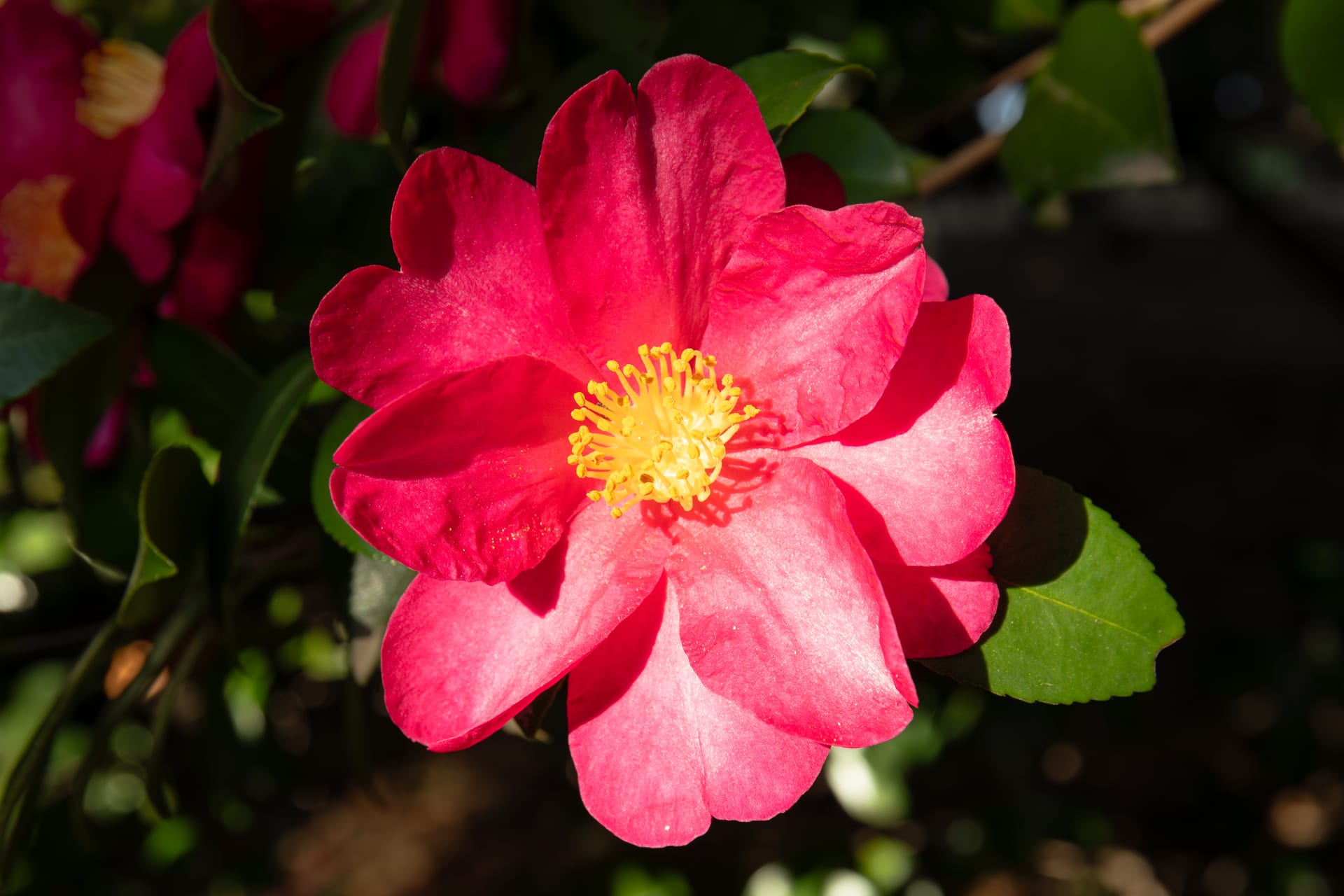
 © Laitche / CC BY-SA 4.0
Sasanqua camellia
Sasanqua camellia is an evergreen shrub in the tea family that blooms in white or pink from late autumn into winter, bringing color to bonsai displays during a season when few other plants are flowering. Unlike its close relative the camellia, sasanqua sheds its petals one at a time rather than dropping the whole flower, and it carries a faint, pleasant fragrance. Young plants and bonsai material are widely available, and as bonsai it can be trained and kept compact, letting you enjoy its seasonal changes on a small scale for years. A beloved cool-season flowering tree with a long history in cultivation.
View Sasanqua camellia encyclopedia →0% commission on your first sales!Register by September 30, 2026 and your first 2 plants are commission-free!
Grower Wanted!
List your plants on GrowerDirect and sell directly to customers nationwide!
6 Transparency Commitments from GrowerDirect
Growers clearly display the following information for all Bonsai listings. Guaranteed transparency for tree variety, origin, light requirements, and difficulty level.
- Tree Variety
- Real Photos
- Color & Appearance
- Growing Region
- Light Requirements
- Difficulty Level
Browse all 144 varieties
Light Requirements
Difficulty Level
Verified growers wanted for Bonsai
Growers are signing up now ahead of launch. Subscribe to be notified when new listings go live.
Getting alerts is free with a member account. When new listings match your saved search, we'll notify you by email and in-app.
Browse other categories
Verified growers (preview)
Sasanqua camellia key facts
- Growing Difficulty
- Beginner-friendly
- Lifespan
- Long-lived; a tree said to be 600 years old is known in Japan
- Size
- Usually 3–5 m as a garden tree (bonsai size depends on styling)
- Watering
- Fertilizer (after flowering and in autumn)
- Light & placement
- Sun to part shade. Tolerates shade but needs light to flower well; avoid hot afternoon sun and dry winter wind
- Watering
- Dislikes drought. Water thoroughly when the surface dries, and never let it dry out while in bud
- Temperature & overwintering
- Slightly less hardy than C. japonica (USDA zones 7–9). Protect young plants and small pots from freezing and frost
- Soil & repotting
- Prefers well-drained, humus-rich, acidic to neutral soil. Repot when root-bound
- Fertilizer
- Likes fertile soil; hunger or drought causes bud drop. Feed together with the post-bloom pruning
- Pruning & styling
- Flowers on last year's wood, so prune right after blooming; cutting from late spring on reduces next year's flowers
- Pests & cautions
- Tea tussock moth caterpillars and scale appear in poor airflow; wear gloves around the caterpillars. As a native species, buy nursery-grown plants rather than wild-dug ones
About Sasanqua camellia
Sasanqua camellia is an evergreen that blooms white to pink from late autumn through winter, with delicately shattering petals and a faint fragrance, an easy, long-enjoyed bonsai for beginners.
7 things to know before growing Sasanqua camellia
1Choose a Sunny Spot
Sasanqua camellias prefer a spot with plenty of sunlight and good air circulation. In midsummer, harsh afternoon sun can scorch the leaves, so moving the pot to partial shade during the hottest hours is a good idea. In winter, placing it somewhere sheltered from frost and cold wind, such as under eaves, helps the flowers last longer.
2Water Thoroughly When Dry
Because bonsai pots are small and dry out quickly, water thoroughly whenever the soil surface feels dry, until water runs from the drainage holes. The plant is especially sensitive to drying out from summer through autumn, when flower buds are forming, and letting it dry too much can cause buds to drop.
3Use Well-Draining Soil
Sasanqua camellias dislike soggy roots, so a well-draining, aerated mix based on akadama soil suits them well. A pre-mixed bonsai soil blend is an easy way to provide the right growing medium.
4Repot Every Few Years
To prevent the roots from becoming pot-bound, repot roughly every two to three years. The best time is early spring after flowering has finished, when you can gently loosen the root ball and replant it in fresh soil, either in a slightly larger pot or the same one.
5Prune and Feed After Flowering
Right after the flowers finish, trim back any overgrown branches to maintain the shape. Since next year's flower buds form by around midsummer, it's important to prune early after flowering rather than later. During the growing season from spring through autumn, feed regularly with a slow-release solid fertilizer.
6Ensure Airflow to Prevent Pests
If the branches and leaves become too dense, poor air circulation can invite scale insects and sooty mold. Thinning out crowded branches to maintain good airflow and light exposure is the basic way to prevent these problems.
7What to Look for When Choosing
When choosing your first tree, look for one with glossy, healthy-colored leaves and evenly spaced branches, as these tend to be easier to care for. Since sasanqua camellia is considered beginner-friendly, it also makes a good first tree for those just starting out with bonsai.
Frequently asked questions about Sasanqua camellia
- Q.What's the difference between sasanqua and camellia?
- A.The clearest difference is how the flowers fall, camellia blooms drop as a whole flower, while sasanqua petals scatter one at a time. Sasanqua also tends to bloom earlier, from late autumn into winter.
- Q.Can beginners grow sasanqua camellia?
- A.Yes, sasanqua camellia is considered a hardy, beginner-friendly species. As long as you follow the basics of sunlight and watering, it's relatively easy to grow as bonsai.
- Q.When does sasanqua camellia bloom?
- A.It flowers from late autumn through winter, in shades from white to pink. Because few other plants bloom during this season, it has long been valued as a flowering bonsai for that time of year.
- Q.How long can I enjoy this tree for?
- A.Sasanqua flowers on the previous year's growth, so as long as you prune right after flowering, you can enjoy blooms year after year. As bonsai, it offers the pleasure of developing its branch structure gradually over many years.
- Q.How large does it get as bonsai?
- A.As bonsai, it can be trained and kept compact. Regular pruning and repotting help maintain your preferred size and shape.
Handy Growing Tools for Sasanqua camellia
Learn more about Sasanqua camellia in the encyclopedia
View Sasanqua camellia encyclopedia entry →
Care difficulty, size, origin and light needs — all basics covered.
More in this category
Can't find the plant you're looking for?
Post your wishes for free and growers with matching plants will contact you with introductions.