 © Σ64 / CC BY 3.0
Fuji cherry
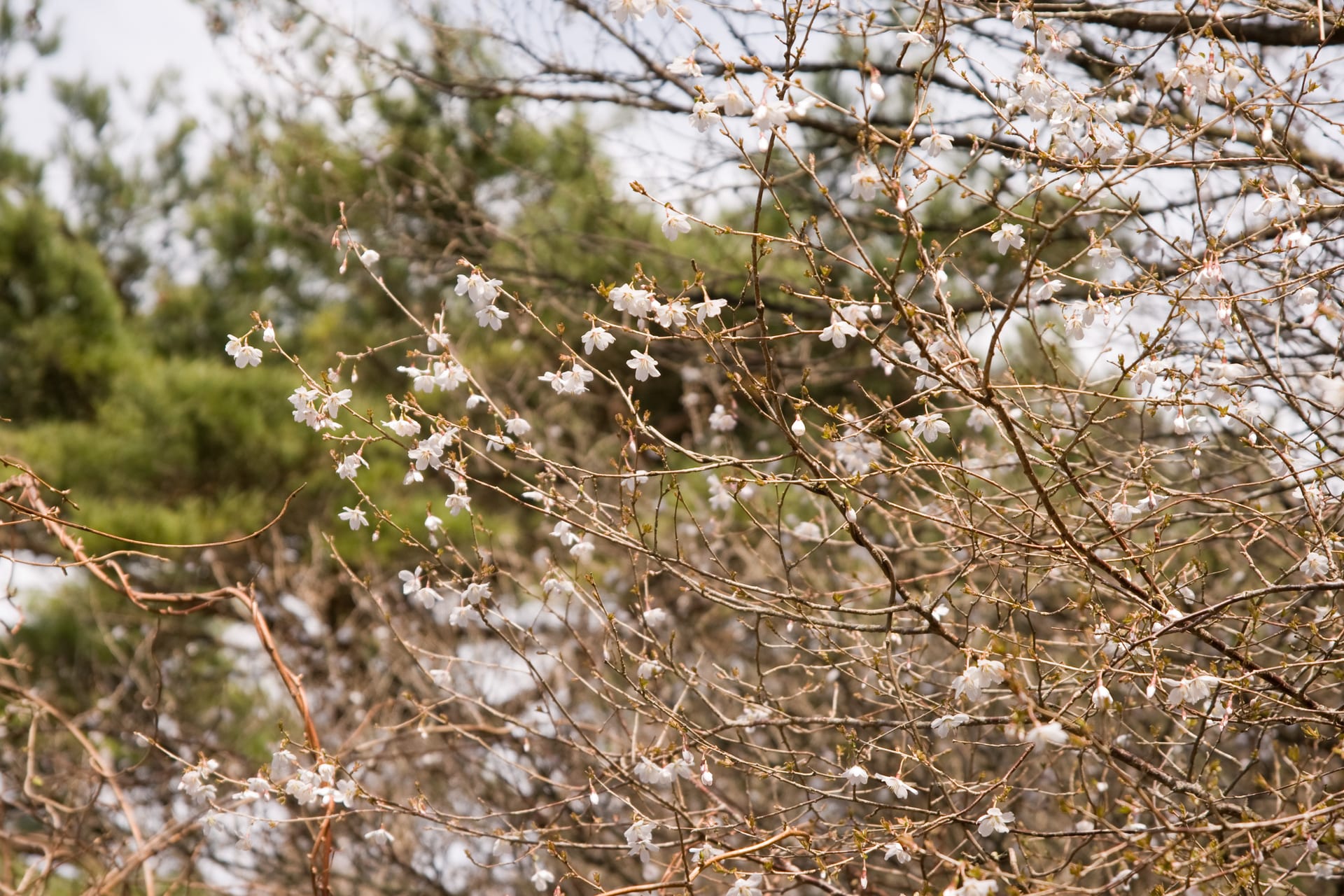
Fuji cherry (Fuji-zakura) is a wild cherry native to Japan, found mainly around Mt. Fuji and Hakone, where it's also known as mamezakura. Its flowers, leaves, and overall form stay compact — while some trees grow tall in the wild, multi-stemmed specimens typically top out around 3 to 5 meters. As bonsai, it produces small white to pale pink blossoms that nod downward, and it tends to flower even while still young. Because shaping and flower-bud care call for some experience, it's considered a plant for intermediate growers, but the reward is a richly expressive little tree that captures the feel of cherry blossoms on a small scale.
View Fuji cherry encyclopedia →0% commission on your first sales!Register by September 30, 2026 and your first 2 plants are commission-free!
Grower Wanted!
List your plants on GrowerDirect and sell directly to customers nationwide!
6 Transparency Commitments from GrowerDirect
Growers clearly display the following information for all Bonsai listings. Guaranteed transparency for tree variety, origin, light requirements, and difficulty level.
- Tree Variety
- Real Photos
- Color & Appearance
- Growing Region
- Light Requirements
- Difficulty Level
Browse all 144 varieties
Light Requirements
Difficulty Level
Verified growers wanted for Bonsai
Growers are signing up now ahead of launch. Subscribe to be notified when new listings go live.
Getting alerts is free with a member account. When new listings match your saved search, we'll notify you by email and in-app.
Browse other categories
Verified growers (preview)
Fuji cherry key facts
- Growing Difficulty
- Intermediate
- Lifespan
- Little data on lifespan
- Size
- Up to about 10 m, usually a 3–5 m clump (bonsai: mini to shohin)
- Watering
- Fertilizer (after flowering to autumn, except the rainy season and midsummer)
- Light & placement
- Likes sun with some humidity, but incisa types suffer in strong sun and heat—give bright, shaded conditions in summer
- Watering
- Grows poorly in dry conditions; roots are easily hurt by both brief drought and waterlogging, so water thoroughly as the surface dries
- Temperature & overwintering
- Very hardy—grows where winters reach −20 °C. Needs winter chill to flower, so overwinter outdoors, shielded from drying wind and late frost
- Soil & repotting
- From volcanic areas and not fussy about soil; in pots use a free-draining mix and repot when root-bound
- Fertilizer
- Feed from after flowering to autumn, except the rainy season and midsummer, with a phosphorus-rich flowering feed
- Pruning & styling
- Weak at budding back and declines with hard pruning. Lightly trim over-long shoots after flowering and seal cuts
- Pests & cautions
- Watch for cherry pests and diseases such as aphids, scale and crown gall. It is native—buy nursery-grown plants, never wild-dug ones
About Fuji cherry
Fuji cherry, a small wild cherry native to Mt. Fuji and Hakone, bears nodding white to pale pink blooms even while young — a compact, intermediate-level bonsai choice for enjoying cherry blossoms up close.
7 things to know before growing Fuji cherry
1Light and Airflow
Fuji cherry prefers a sunny spot, so keep the pot outdoors where it gets light for most of the day. Poor air circulation invites pests and disease, so leave some space around the pot. In midsummer, shielding it from harsh afternoon sun helps prevent leaf scorch.
2Watering Basics
Water thoroughly until it runs from the drainage holes once the soil surface has dried. The tree draws more moisture while flowering and pushing new growth, so watch closely for dryness during that period. In winter, once the leaves have dropped and the tree is dormant, cut back on watering frequency.
3Well-Drained Soil
Fuji cherry dislikes staying wet, so use a mix built mainly on akadama that balances drainage with water retention. Root rot from excess moisture is a common cause of poor growth, so also check that the pot drains freely.
4When to Repot
Repotting is usually done after flowering ends and before new growth gets underway. Gently loosen the root ball, remove old soil, trim away any damaged roots, then set the tree in fresh soil. Rather than every year, repot roughly every few years based on how crowded the roots have become.
5Pruning Without Losing Buds
Fuji cherry sets flower buds on the previous year's growth, so pruning at the wrong time or spot can reduce next spring's blooms. Trim back overly long shoots right after flowering, and avoid heavy pruning from autumn onward. Managing flower buds well is exactly why this species is considered better suited to growers with some experience.
6Watching for Pests and Disease
Like most flowering cherries, Fuji cherry can attract aphids and is prone to issues such as powdery mildew. Checking new shoots and the undersides of leaves regularly makes it easier to catch problems early.
7Choosing a Tree
Look for a tree with undamaged bark and well-balanced branching, which makes it easier to shape going forward. A tree already carrying flower buds lets you preview its bloom, while during dormancy you'll need to judge it by branch structure and trunk movement. Since this species is rated for intermediate growers, it can help to practice on another cherry bonsai first.
Frequently asked questions about Fuji cherry
- Q.Are Fuji cherry and mamezakura the same plant?
- A.Yes — Fuji cherry is another name for mamezakura, a wild cherry native to Japan. It's called Fuji cherry because it grows widely around Mt. Fuji and Hakone.
- Q.Can beginners grow this tree?
- A.Fuji cherry is generally considered suited to intermediate growers. It calls for cherry-bonsai-specific know-how, like managing flower buds and keeping the soil well drained, so it helps to first learn the basics on another species.
- Q.How large does it get?
- A.Some trees grow tall in the wild, but multi-stemmed specimens typically stay around 3 to 5 meters. When trained as bonsai, it's usually kept at a mini to shohin (small) size.
- Q.How many years can I enjoy it?
- A.There isn't much detailed data on Fuji cherry's typical lifespan. As with other flowering cherry bonsai, consistent watering and repotting over the years lets you keep growing with the tree long-term.
- Q.When does it bloom, and what do the flowers look like?
- A.Even while still young, it produces small white to pale pink flowers that nod downward. As with other cherries, flowering is centered in early spring.
Handy Growing Tools for Fuji cherry
Learn more about Fuji cherry in the encyclopedia
View Fuji cherry encyclopedia entry →
Care difficulty, size, origin and light needs — all basics covered.
More in this category
Can't find the plant you're looking for?
Post your wishes for free and growers with matching plants will contact you with introductions.