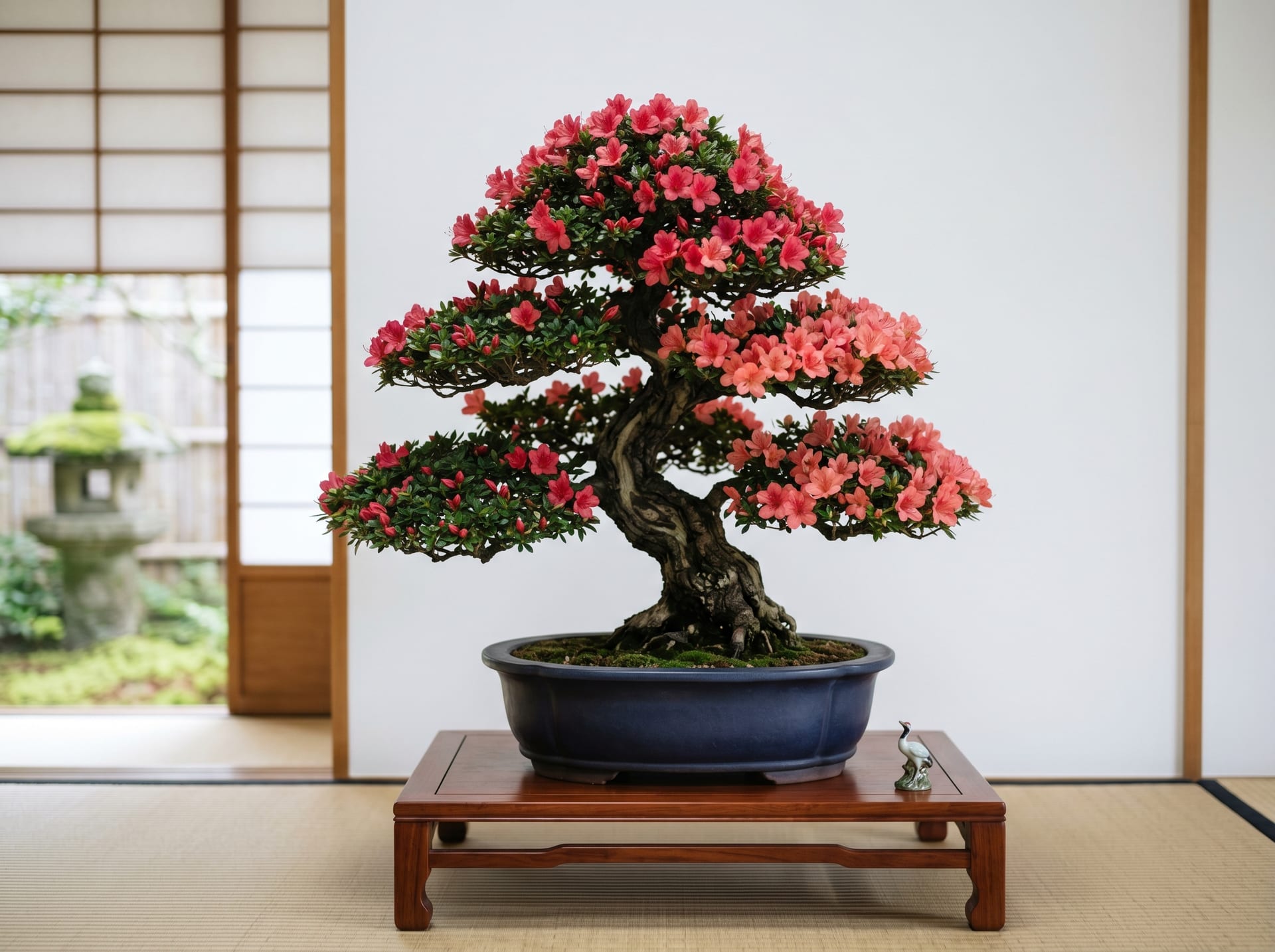
Satsuki Azalea
The iconic flowering bonsai of Japanese culture. Blooms in May-June with thousands of cultivars. Huge variety in flower color and form. Star of exhibitions.
View Satsuki Azalea encyclopedia →0% commission on your first sales!Register by September 30, 2026 and your first 2 plants are commission-free!
Grower Wanted!
List your plants on GrowerDirect and sell directly to customers nationwide!
6 Transparency Commitments from GrowerDirect
Growers clearly display the following information for all Bonsai listings. Guaranteed transparency for tree variety, origin, light requirements, and difficulty level.
- Tree Variety
- Real Photos
- Color & Appearance
- Growing Region
- Light Requirements
- Difficulty Level
Browse all 144 varieties
Light Requirements
Difficulty Level
Verified growers wanted for Bonsai
Growers are signing up now ahead of launch. Subscribe to be notified when new listings go live.
Getting alerts is free with a member account. When new listings match your saved search, we'll notify you by email and in-app.
Browse other categories
Verified growers (preview)
Satsuki Azalea key facts
- Growing Difficulty
- Beginner-friendly
- Lifespan
- 100+ years
- Size
- 10-60cm (bonsai size)
- Placement
- Partial shade to full sun. Avoid afternoon sun in summer
- Watering
- Acidic soft water ideal. Never let it dry out
- Styling
- Trim right after bloom. Critical for next years flower buds
- Notes
- Plant in acidic soil (Kanuma). Sensitive to alkaline conditions
About Satsuki Azalea
Satsuki azalea (Rhododendron indicum) is a semi-evergreen shrub native to Japan, its name derived from the old lunar calendar term for May—the month of its spectacular bloom. Cherished since the Edo period by samurai and commoners alike, centuries of selective breeding have produced thousands of cultivars displaying an unparalleled spectrum of flower colors and forms, from pure white and deep crimson to intricate striped and picotee patterns. The finely fissured bark develops rich character with age, allowing the tree to express everything from delicate shohin compositions to commanding larger specimens. Naturally robust, Satsuki prefers slightly acidic, well-draining soil and ample sunlight. Following a consistent post-bloom pruning and fertilizing routine rewards the grower with reliable annual flowering, while the species' forgiving response to shaping makes it equally appealing to first-time bonsai enthusiasts and seasoned exhibitors pursuing show-quality trees.
7 things to know before growing Satsuki Azalea
1Blooms in May–June
Satsuki azalea typically blooms from late May through June, slightly later than common azaleas. Flowering times vary by cultivar, so checking this before purchase helps with planning care. Promptly removing spent flowers after blooming encourages better flowering the following year.
2Sunlight and Placement
Place satsuki in a sunny outdoor spot from spring through autumn; ample direct sunlight encourages flower bud formation. Protect it from intense midsummer sun and harsh afternoon rays by moving it to partial shade or using shade cloth. In winter, shelter it under eaves or in a cold frame to prevent freezing.
3Watering: Balance Is Key
Satsuki is relatively sensitive to drought; water thoroughly whenever the soil dries out, especially during hot summers. To prevent root rot, use well-draining soil and a pot with adequate drainage holes. During flowering, water at the base of the plant to avoid wetting the petals, which can cause damage.
4Pruning After Blooming
Pruning promptly after flowering is fundamental to satsuki care. Delayed pruning interferes with flower bud differentiation for the following year, so aim to finish by late June to early July. While shaping the bonsai form, remove crowded or elongated shoots to ensure good air circulation.
5Soil and Repotting Timing
Satsuki thrives in Kanuma pumice or a mix of Kanuma and Akadama, which balances drainage with moisture retention. The ideal time to repot is immediately after flowering, by mid-June. Trim the roots, then replant in a slightly larger pot or the same pot. Keep the tree in partial shade for a while afterward to allow root recovery.
6Fertilizing: Post-Bloom and Autumn
Apply slow-release solid fertilizer after flowering (June–July) and again in autumn (September–October). Excess nitrogen during flowering or flower bud formation (around August) can reduce blooming, so choose fertilizers and quantities carefully. Combining slow-release top dressing with occasional liquid fertilizer makes management straightforward.
7Pests and Disease Prevention
Satsuki is susceptible to lace bugs and spider mites, which cause leaf discoloration and damage, particularly during hot, dry periods. Inspect the undersides of leaves regularly and address infestations early with appropriate sprays or rinsing with water. During the rainy season, maintain airflow through pruning to reduce the risk of gray mold and other fungal diseases.
Frequently asked questions about Satsuki Azalea
- Q.Can beginners successfully grow Satsuki bonsai?
- A.Yes, Satsuki is considered one of the more beginner-friendly flowering bonsai species. As long as you maintain appropriate watering and sunlight, and time post-bloom pruning and fertilizing correctly, it will reward you with reliable annual blooms. Its natural resilience means it can recover well from minor mistakes.
- Q.Why might my Satsuki fail to bloom?
- A.The most common cause is pruning too late after flowering, which removes the next season's developing buds. Insufficient sunlight and lack of fertilizer after bloom also reduce flowering. Repotted trees may produce fewer flowers in the year immediately following the repot.
- Q.How should Satsuki be cared for during winter?
- A.Satsuki is moderately cold-hardy, but potted trees are more vulnerable to root freeze than in-ground plants. Sheltering under eaves or using a simple frost cover on the coldest nights is advisable. Reduce watering frequency and apply water only when the soil has dried; no fertilizer is needed during dormancy.
- Q.Which cultivar is recommended for a first Satsuki bonsai?
- A.Vigorous, reliable-blooming cultivars such as "Osakazuki" are well suited to beginners. They are widely available, respond predictably to training, and produce abundant flowers while you learn the fundamentals. Many growers later add rarer or more specialized cultivars once they are comfortable with the basics.
- Q.What is the difference between Satsuki and regular azalea (Tsutsuji)?
- A.The primary difference is bloom time: common azalea (Tsutsuji) flowers around April, while Satsuki blooms roughly a month later in May and June. Satsuki has smaller, glossier leaves and branches more finely, making it better suited to detailed bonsai styling. It also offers a far greater number of cultivars and flower variations.
Handy Growing Tools for Satsuki Azalea
Learn more about Satsuki Azalea in the encyclopedia
View Satsuki Azalea encyclopedia entry →
Care difficulty, size, origin and light needs — all basics covered.
More in this category
Can't find the plant you're looking for?
Post your wishes for free and growers with matching plants will contact you with introductions.