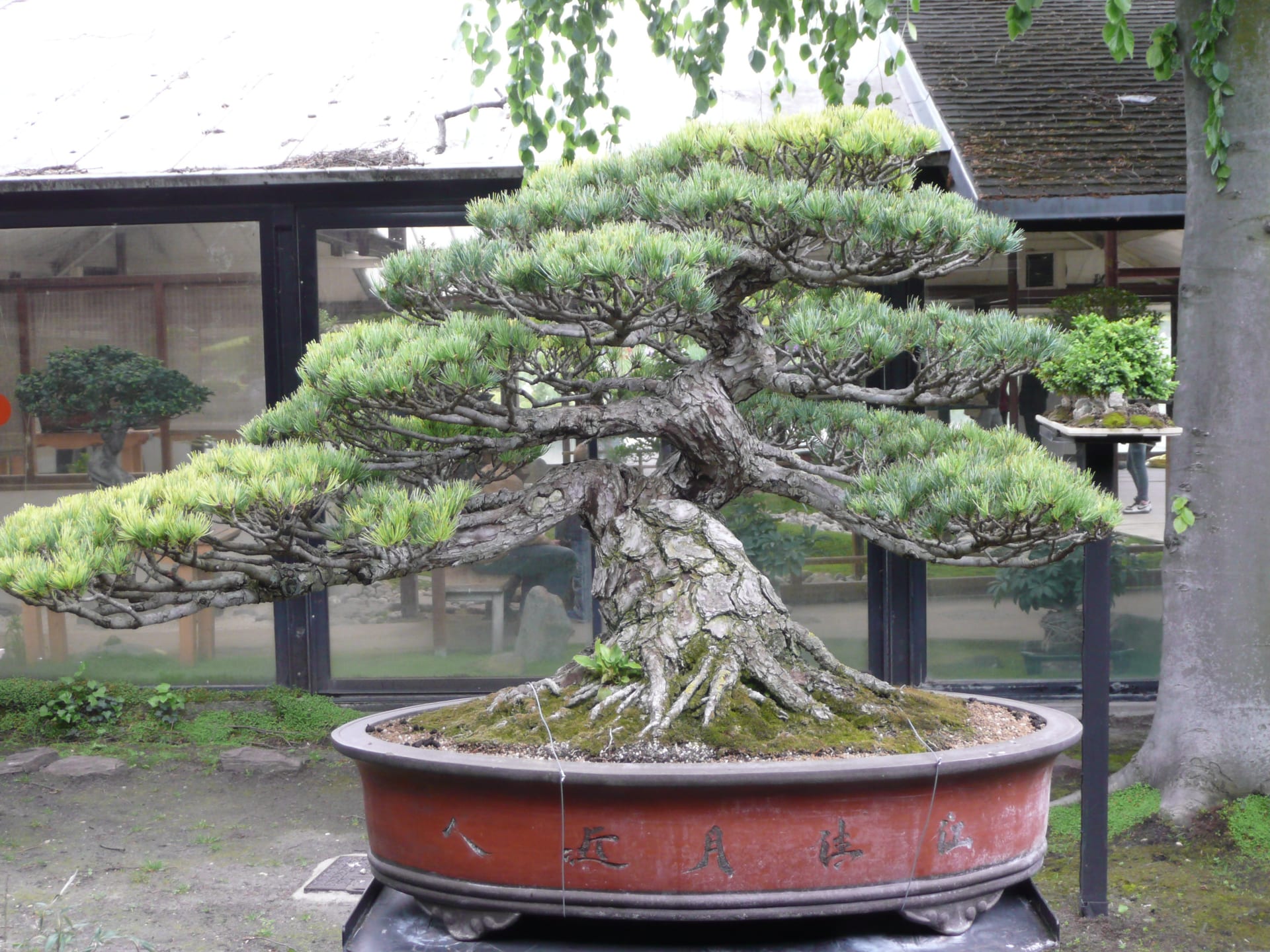
 © Liné1 / CC BY-SA 3.0
Azuma goyo (northern Japanese white pine)
Azuma Goyo is a lineage of Japanese white pine named for the Azuma mountain area near Fukushima City, and it's counted among Japan's three great goyomatsu strains. It belongs to Kitagoyo, the northern-growing variety of five-needle pine, known for slightly longer needles and a bold white stripe running along the underside. Rather than a registered cultivar, it's a regional lineage passed down through generations of growers in its home area. Goyomatsu pines are generally considered longer-lived than black or red pines, and once the basics of care are in place, Azuma Goyo is approachable even for first-time growers, a quality that has made it a favorite entry point into five-needle pine bonsai.
View Azuma goyo (northern Japanese white pine) encyclopedia →0% commission on your first sales!Register by September 30, 2026 and your first 2 plants are commission-free!
Grower Wanted!
List your plants on GrowerDirect and sell directly to customers nationwide!
6 Transparency Commitments from GrowerDirect
Growers clearly display the following information for all Bonsai listings. Guaranteed transparency for tree variety, origin, light requirements, and difficulty level.
- Tree Variety
- Real Photos
- Color & Appearance
- Growing Region
- Light Requirements
- Difficulty Level
Browse all 144 varieties
Light Requirements
Difficulty Level
Verified growers wanted for Bonsai
Growers are signing up now ahead of launch. Subscribe to be notified when new listings go live.
Getting alerts is free with a member account. When new listings match your saved search, we'll notify you by email and in-app.
Browse other categories
Verified growers (preview)
Azuma goyo (northern Japanese white pine) key facts
- Growing Difficulty
- Beginner-friendly
- Lifespan
- Japanese white pine is considered longer-lived than black or red pine
- Size
- Var. pentaphylla reaches about 25 m tall and 80 cm in trunk diameter (bonsai: mini to medium)
- Watering
- Fertilizer (solid feed spring to early autumn)
- Light & placement
- Outdoors in full sun and good airflow; poor light dulls the needles and weakens branches
- Watering
- Keep slightly dry: water thoroughly once the surface dries and avoid constantly wet soil
- Temperature & overwintering
- Northern type, extremely cold-hardy. As a mountain pine it suffers in summer heat—keep it cool in midsummer
- Soil & repotting
- Akadama-based mix with grit for drainage; repot young trees about every 3 years
- Fertilizer
- Solid fertilizer monthly from April to September, skipping the rainy season and midsummer
- Pruning & styling
- Pinch candle buds before they extend to balance vigor; wire in dormancy, pull old needles in autumn
- Pests & cautions
- Watch for aphids, woolly aphids and needle cast. Traits vary by plant under a regional name. Buy nursery-grown stock, not wild-dug trees
About Azuma goyo (northern Japanese white pine)
Azuma Goyo, a Japanese white pine lineage from the Azuma mountain area near Fukushima City, ranks among Japan's three great goyomatsu. Its longer needles and white-striped undersides make it a distinctive, beginner-friendly bonsai variety.
7 things to know before growing Azuma goyo (northern Japanese white pine)
1Light and Airflow
Azuma Goyo does best outdoors with plenty of sun and good air circulation. Strong afternoon sun in midsummer can scorch the needles, so moving it to partial shade during the hottest stretch is a good precaution.
2Watering Basics
Water thoroughly once the soil surface has dried out. Keeping the pot constantly wet can damage the roots, so aim for a clear rhythm of drying and soaking rather than a steady trickle.
3Well-Draining Soil
This pine prefers soil that drains well and stays airy around the roots. A mix built mainly on hard-fired akadama helps prevent root rot and supports steady growth.
4Repotting Schedule
Repot roughly every few years to keep the roots from becoming pot-bound. Doing this during the right season, and trimming back old soil and roots, helps the tree hold its vigor.
5Pinching and Thinning
Pinch new growth in spring, then thin out old needles between summer and autumn. This evens out the vigor across branches and helps the silhouette stay balanced.
6What to Look For
Azuma Goyo is recognized by its slightly longer needles and the crisp white stripe on their undersides. Since it's a regional lineage rather than a registered cultivar, expect some individual variation and enjoy choosing a tree whose character appeals to you.
7Built for the Long Haul
Goyomatsu pines are generally longer-lived than black or red pines, which makes for a slow, rewarding process of shaping the tree over time. Sticking with the basics patiently is the surest path to a refined form.
Frequently asked questions about Azuma goyo (northern Japanese white pine)
- Q.What makes Azuma Goyo different from other five-needle pines?
- A.Azuma Goyo is a strain of Japanese white pine from the Azuma mountain area near Fukushima City, belonging to Kitagoyo, the northern variety. It's known for slightly longer needles and a prominent white stripe on the underside, and it's treated as a regional lineage rather than a registered cultivar.
- Q.Is it suitable for beginners?
- A.Yes, Azuma Goyo is generally considered beginner-friendly in terms of cultivation difficulty. As long as it gets good sun, well-draining soil, and basic routine care, it can be grown without much difficulty.
- Q.How large does it get as a bonsai?
- A.In the wild, Kitagoyo can reach around 25 meters in height with a trunk diameter of about 80 centimeters, but as bonsai it's typically kept at mini to medium size. The tree is shaped and maintained within the confines of its pot.
- Q.How often should it be watered?
- A.Water thoroughly once the soil surface has dried, rather than on a fixed schedule. How quickly it dries out varies with season and placement, so it helps to get in the habit of checking the soil regularly.
- Q.When does it need repotting?
- A.Repot roughly every few years, since roots that become pot-bound can slow growth. Trimming and organizing the roots at the right season helps the tree maintain its vigor.
Handy Growing Tools for Azuma goyo (northern Japanese white pine)
Learn more about Azuma goyo (northern Japanese white pine) in the encyclopedia
View Azuma goyo (northern Japanese white pine) encyclopedia entry →
Care difficulty, size, origin and light needs — all basics covered.
More in this category
Can't find the plant you're looking for?
Post your wishes for free and growers with matching plants will contact you with introductions.