 © KENPEI / CC BY-SA 3.0
Japanese staunton vine
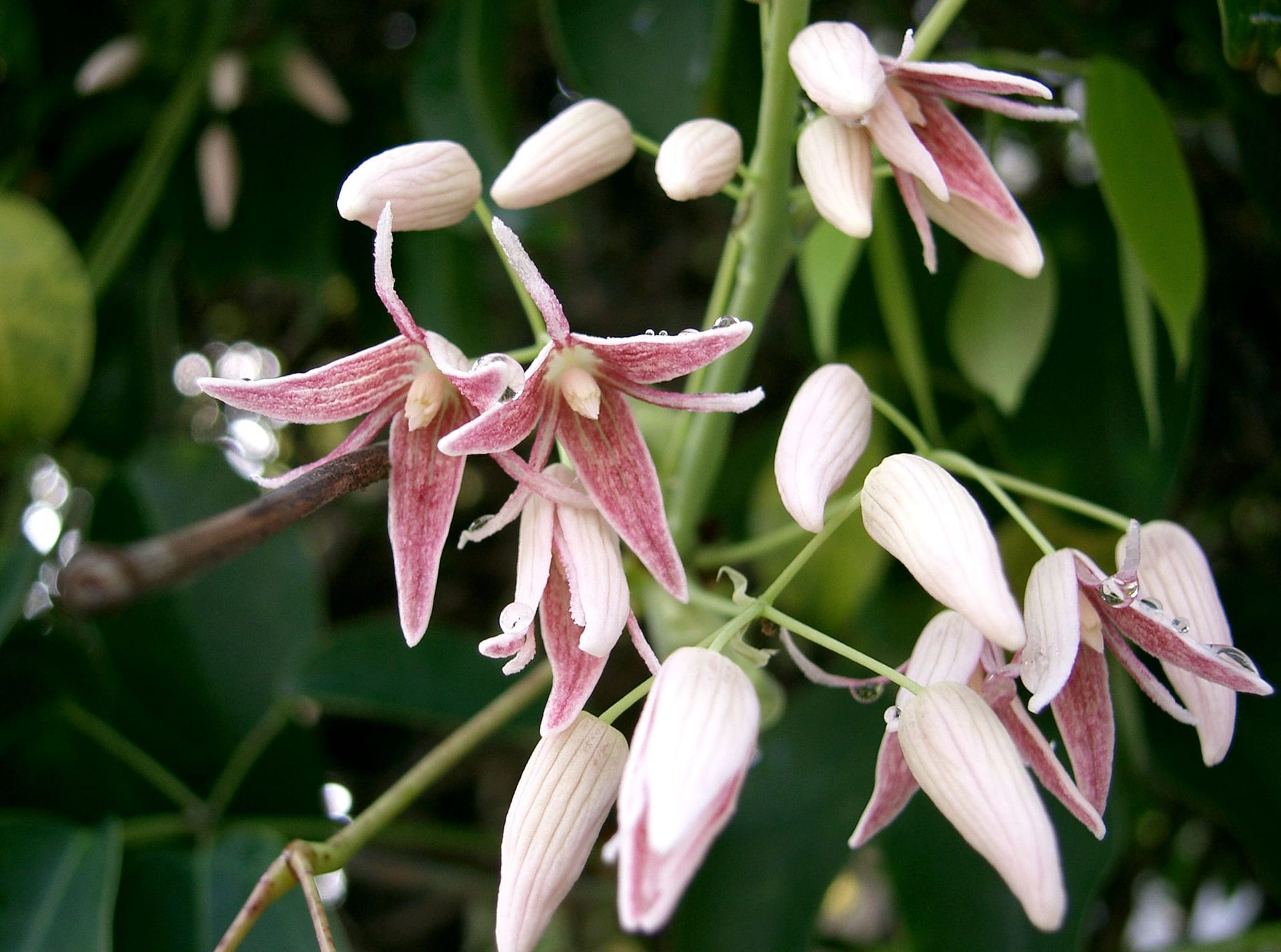
Mube (Stauntonia hexaphylla), also known as the Japanese staunton vine or "evergreen akebi," keeps its glossy leaves year-round unlike its deciduous akebi cousins. In spring it produces delicate white flowers with reddish-purple centers, followed in autumn by purple fruit roughly 5 to 8 cm long. Unlike akebi, mube's fruit rarely splits open even when ripe, giving it a distinctive look among vine fruits. Left untrained, the vine can stretch 5 to 15 meters, but as bonsai it's kept compact through regular pruning. Because it calls for a bit of care and attention, mube is generally considered better suited to intermediate growers.
View Japanese staunton vine encyclopedia →0% commission on your first sales!Register by September 30, 2026 and your first 2 plants are commission-free!
Grower Wanted!
List your plants on GrowerDirect and sell directly to customers nationwide!
6 Transparency Commitments from GrowerDirect
Growers clearly display the following information for all Bonsai listings. Guaranteed transparency for tree variety, origin, light requirements, and difficulty level.
- Tree Variety
- Real Photos
- Color & Appearance
- Growing Region
- Light Requirements
- Difficulty Level
Browse all 144 varieties
Light Requirements
Difficulty Level
Verified growers wanted for Bonsai
Growers are signing up now ahead of launch. Subscribe to be notified when new listings go live.
Getting alerts is free with a member account. When new listings match your saved search, we'll notify you by email and in-app.
Browse other categories
Verified growers (preview)
Japanese staunton vine key facts
- Growing Difficulty
- Intermediate
- Lifespan
- Little data on lifespan
- Size
- Vines 5–15 m long (kept small by pruning as bonsai)
- Watering
- Fertilizer (little bonsai-specific data)
- Light & placement
- Prefers a sunny, well-drained position
- Temperature & overwintering
- A warm-climate plant once limited to warm coasts and valleys, though it now grows as far north as Tohoku
- Soil & repotting
- Plant in free-draining soil enriched with leaf mould. It is said to resent transplanting, so disturb the roots gently
- Pruning & styling
- Vines grow over 1 m a year—train and prune to stop them sprawling, and prune firmly to promote flowering
- Pests & cautions
- Both sexes on one plant, but fruiting takes skill—two or more plants are the reliable route. The fruit barely splits; choose akebi if you want opening fruit
About Japanese staunton vine
Mube is an evergreen vine in the akebi family that keeps its leaves year-round, blooming reddish-purple in spring and bearing purple fruit that rarely splits in autumn. As bonsai, pruning keeps its vine compact — best suited to intermediate growers.
7 things to know before growing Japanese staunton vine
1Light and airflow
Mube tolerates everything from full sun to partial shade, but a sunny spot encourages better flowering and fruiting. Strong afternoon sun in midsummer can scorch the leaves, so potted plants benefit from some shade during the hottest hours. Good air circulation also helps prevent pests and disease.
2Watering basics
Water thoroughly once the soil surface dries out. Mube dislikes soggy roots, so never let water sit in the saucer. In summer the soil dries quickly, so watering morning and evening helps, while keeping it slightly drier in winter guards against root rot.
3Well-drained soil
Because mube dislikes wet roots, choose a soil mix that drains well and allows good aeration. A bonsai soil base of akadama with some leaf mold mixed in works well. Avoid heavy, clay-like soils that hold water.
4Repot Without Damaging the Roots
Mube is said to be difficult to transplant. Repot only when necessary, such as when the plant is root-bound, and avoid breaking up the root ball so the roots are not damaged. Use a well-draining mix with some leaf mold or similar organic matter added.
5Pruning the vine
Left alone, mube's vine can grow 5 to 15 meters, so regular pruning is essential for keeping it in bonsai form. Flower buds often form on the previous year's growth, so timing and placement of cuts matter if you want to enjoy flowers and fruit. Trimming back overly long shoots after flowering or during dormancy helps maintain the shape.
6Flowers and fruit
In spring, mube produces white flowers with reddish-purple calyxes, and successful pollination leads to purple fruit around 5 to 8 cm long by autumn. Unlike akebi, the fruit rarely splits open even when ripe, so you can enjoy its intact shape for longer. How well it fruits depends on the plant's vigor and growing conditions.
7Choosing a healthy plant
Look for a plant with glossy leaves free of yellowing or dark spots. Vines that feel sturdy with balanced branching tend to be easier to train into bonsai form. Since mube calls for a bit of growing experience, it helps to start with the basic care routine and build from there.
Frequently asked questions about Japanese staunton vine
- Q.How is mube different from akebi?
- A.Mube is a close relative of akebi but stays evergreen year-round, unlike deciduous akebi. Its fruit also rarely splits open when ripe, while akebi's fruit typically cracks open along a seam. The flowers look similar, though the coloring inside the calyx differs slightly.
- Q.Can a beginner grow mube?
- A.Mube is generally considered a plant for intermediate growers, since some experience with watering and pruning makes it easier to manage. That said, following the basics — well-drained soil, adequate sunlight, and regular pruning — makes it approachable even for a first attempt.
- Q.How small can mube be kept as bonsai?
- A.Mube's vine can naturally reach 5 to 15 meters, but regular pruning keeps it compact when trained as bonsai. Careful timing and placement of cuts make it possible to shape the plant into the form you want.
- Q.How long does mube live?
- A.There isn't much documented information on mube's typical lifespan. Keeping up with basic care, such as pruning the vine and watering, helps it stay healthy over the long term. Mube is said to be hard to transplant, so repot only when necessary.
- Q.Does mube stay green in winter?
- A.Yes — as an evergreen vine, mube keeps its green leaves through winter, unlike deciduous plants. Growth slows during the coldest months, though, so it helps to water a bit less frequently and adjust care to the season.
Handy Growing Tools for Japanese staunton vine
Learn more about Japanese staunton vine in the encyclopedia
View Japanese staunton vine encyclopedia entry →
Care difficulty, size, origin and light needs — all basics covered.
More in this category
Can't find the plant you're looking for?
Post your wishes for free and growers with matching plants will contact you with introductions.