 © Alpsdake / CC BY-SA 4.0
Chocolate vine
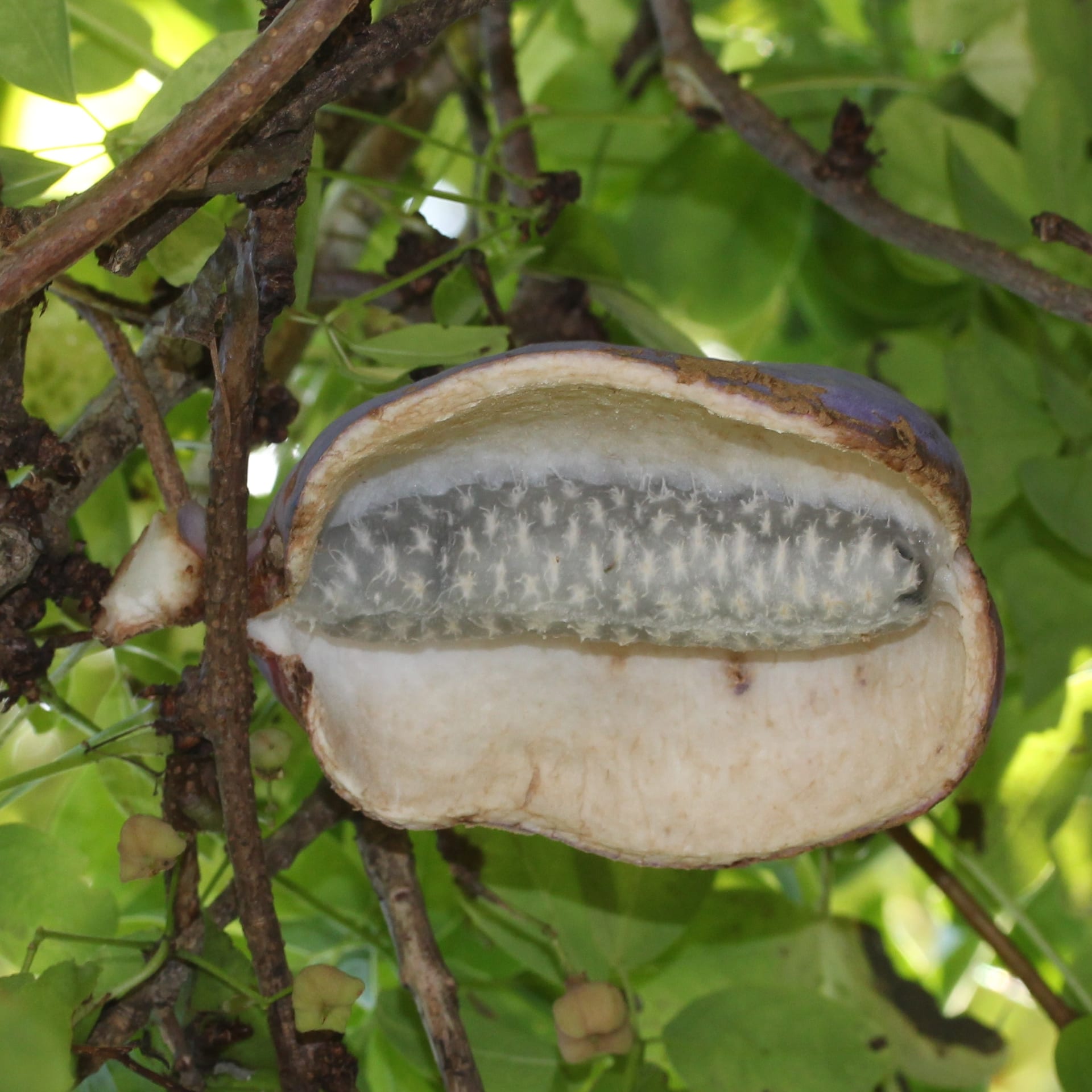
Chocolate vine (Akebia quinata) is a deciduous, vigorous climber prized for its palmate leaves, each made up of five small leaflets. In spring it produces pale purple flowers, followed in autumn by purple pods roughly 7 to 10 cm long that split open lengthwise as they ripen — one of its most distinctive features. Left to itself, the vine can stretch 3 to 4 meters as it twines around nearby trees, but in bonsai form regular pruning keeps it compact and manageable. It's considered a good match for growers with some prior experience rather than absolute beginners. One thing to keep in mind: a single plant's own pollen won't set fruit, so you'll need a second plant nearby if you want to see the pods form.
View Chocolate vine encyclopedia →0% commission on your first sales!Register by September 30, 2026 and your first 2 plants are commission-free!
Grower Wanted!
List your plants on GrowerDirect and sell directly to customers nationwide!
6 Transparency Commitments from GrowerDirect
Growers clearly display the following information for all Bonsai listings. Guaranteed transparency for tree variety, origin, light requirements, and difficulty level.
- Tree Variety
- Real Photos
- Color & Appearance
- Growing Region
- Light Requirements
- Difficulty Level
Browse all 144 varieties
Light Requirements
Difficulty Level
Verified growers wanted for Bonsai
Growers are signing up now ahead of launch. Subscribe to be notified when new listings go live.
Getting alerts is free with a member account. When new listings match your saved search, we'll notify you by email and in-app.
Browse other categories
Verified growers (preview)
Chocolate vine key facts
- Growing Difficulty
- Intermediate
- Lifespan
- Little data on lifespan
- Size
- Vines 3–4 m long, twining up other trees (kept small by pruning as bonsai)
- Watering
- Fertilizer (from when fruit reaches 2–3 cm until mid-October)
- Light & placement
- Likes light but grows best in part shade. Avoid summer afternoon sun; outside midsummer keep it in a sunny, airy spot to keep internodes short
- Watering
- Dries quickly and likes water: twice daily in spring/autumn, 3–4 times in summer, every 1–2 days in winter. Soak root-bound pots occasionally; keep water off flowers
- Temperature & overwintering
- Tolerant of both heat and cold; no special protection needed if kept out of harsh summer sun and cold winter wind
- Soil & repotting
- Fine roots pot-bind easily—use free-draining soil. It buds early, so repot from mid-February in warm areas; every 2 years, as yearly repotting reduces fruiting
- Fertilizer
- Start lightly once fruits reach 2–3 cm, increase in June as they firm, and continue to mid-October. Fruiting takes a lot out of the plant
- Pruning & styling
- On mature plants pinch vigorous post-flowering shoots to 2–3 nodes. Buds form June–July. Prune unwanted branches in Feb–March; thick cuts tend to die back
- Pests & cautions
- Watch for spider mites, aphids, powdery mildew, sooty mould, scab and moth or sawfly larvae. Self-incompatible—keep another plant for pollination
About Chocolate vine
Chocolate vine is a deciduous climber known for its five-part palmate leaves and purple autumn pods. Suited to growers with some experience; pruning keeps bonsai form compact.
7 things to know before growing Chocolate vine
1Give It Plenty of Sun
Chocolate vine thrives in bright light. Keeping it outdoors in a sunny spot encourages better flowering and richer autumn leaf color. It will tolerate partial shade, but if you want good flowers and fruit, make sure it gets plenty of daily sunlight.
2Watch for Dry Soil
As a vigorous climbing vine, it loses a lot of moisture through its leaves. Water thoroughly once the soil surface dries out, and check it often during the hot summer months when it's especially prone to drying out too quickly.
3Use Well-Draining Soil
Chocolate vine dislikes soggy roots, so well-draining soil is essential. A standard bonsai mix, or one based mainly on akadama, works well.
4Repot Every Two Years
Its many fine roots fill the pot quickly, but repotting every year reduces fruiting, so aim to repot once every two years. Buds start moving early, so in warmer regions you can repot from mid-February. If a pot becomes root-bound in between, soak it in water from time to time to keep it hydrated.
5Prune the Vine to Keep Its Shape
Left unchecked, the vine grows long quickly, so regular pruning is essential for keeping a bonsai form. Trimming back overly long growth keeps the silhouette compact — it's best done during the active growing season.
6Grow Two Plants to See Fruit
Chocolate vine rarely sets fruit from its own pollen alone. If you want to enjoy the fruit, plant a second one nearby to allow cross-pollination. A single plant is still worthwhile if you're mainly after the flowers and foliage.
7It Overwinters Naturally Outdoors
Being deciduous, it drops its leaves and goes dormant in winter. It tolerates cold reasonably well and can overwinter outdoors in a spot sheltered from strong wind. Cut back on watering during this dormant period.
Frequently asked questions about Chocolate vine
- Q.Is chocolate vine suitable for beginners?
- A.It's generally considered a plant for growers with some experience rather than complete beginners. If you're comfortable with basic care like watering, pruning, and repotting, it's a manageable and rewarding vine to try.
- Q.Will my plant definitely produce fruit?
- A.Not necessarily — a single chocolate vine rarely sets fruit from its own pollen. If you want to see the fruit, it helps to grow a second plant nearby so cross-pollination can occur.
- Q.How large does it grow?
- A.Left to grow naturally, the vine can stretch 3 to 4 meters, twining around nearby trees as it climbs. As a bonsai, though, regular pruning keeps it small and compact.
- Q.How long does chocolate vine live?
- A.There isn't much documented data on its typical lifespan. Consistent basic care — watering, suitable soil, and periodic repotting — is what matters most for keeping it healthy over the years.
- Q.Where's the best place to keep it?
- A.A bright, sunny spot outdoors suits it well. It can tolerate partial shade, but for the best flowering and fruiting, give it as much daily sunlight as you can.
Handy Growing Tools for Chocolate vine
Learn more about Chocolate vine in the encyclopedia
View Chocolate vine encyclopedia entry →
Care difficulty, size, origin and light needs — all basics covered.
More in this category
Can't find the plant you're looking for?
Post your wishes for free and growers with matching plants will contact you with introductions.