 © 5snake5 / CC0
Japanese andromeda
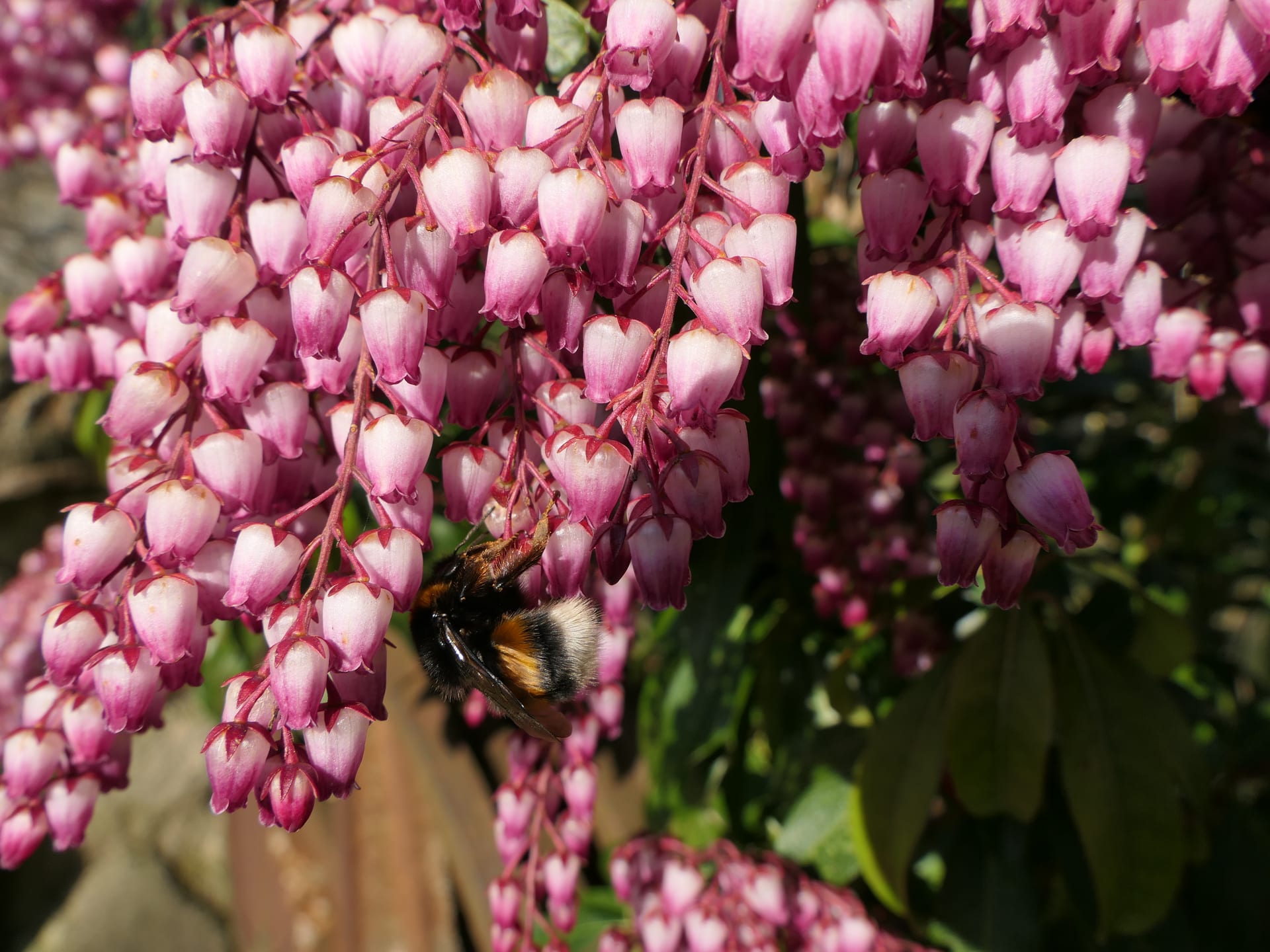
Asebi, known in English as Japanese andromeda, is a native Japanese evergreen shrub that opens clusters of small, urn-shaped flowers in early spring. While the wild species flowers white, bonsai growers particularly prize cultivars with pale pink to deep red blooms. Its glossy, compact leaves and elegant branching make it appealing year-round, and it is generally considered approachable for beginners. Left to grow naturally it can reach around 3 meters, but bonsai training keeps it compact through regular pruning. Every part of the plant is toxic, so care should be taken to keep it away from curious mouths.
View Japanese andromeda encyclopedia →0% commission on your first sales!Register by September 30, 2026 and your first 2 plants are commission-free!
Grower Wanted!
List your plants on GrowerDirect and sell directly to customers nationwide!
6 Transparency Commitments from GrowerDirect
Growers clearly display the following information for all Bonsai listings. Guaranteed transparency for tree variety, origin, light requirements, and difficulty level.
- Tree Variety
- Real Photos
- Color & Appearance
- Growing Region
- Light Requirements
- Difficulty Level
Browse all 144 varieties
Light Requirements
Difficulty Level
Verified growers wanted for Bonsai
Growers are signing up now ahead of launch. Subscribe to be notified when new listings go live.
Getting alerts is free with a member account. When new listings match your saved search, we'll notify you by email and in-app.
Browse other categories
Verified growers (preview)
Japanese andromeda key facts
- Growing Difficulty
- Beginner-friendly
- Lifespan
- Little data on lifespan
- Size
- About 3 m tall in the wild
- Watering
- Fertilizer (little bonsai-specific data; likes fertile soil)
- Light & placement
- Shade-loving and sensitive to direct and afternoon sun. About 3–4 hours of sun a day is ideal; deep shade reduces flowering
- Temperature & overwintering
- Hardy for an evergreen, growing north of its natural range, and tolerant of pollution, salt wind and drought
- Soil & repotting
- Prefers fertile soil but is tough and unfussy
- Pruning & styling
- Flowers form at the tips of last year's shoots, so cutting from autumn on loses blooms. Growth is slow—just remove stray and dead shoots
- Pests & cautions
- Pest-resistant, but poor airflow can bring lace bugs and leaf rollers. The whole plant is toxic—keep it away from children and pets and dispose of prunings safely
About Japanese andromeda
Asebi is a Japanese native evergreen shrub with clustered urn-shaped flowers in early spring, generally considered beginner-friendly. Bonsai growers favor cultivars with pale to deep red blooms, though the whole plant is toxic and should be handled with care.
7 things to know before growing Japanese andromeda
1Light and airflow
Asebi is a shade-tolerant tree that dislikes direct sun and strong afternoon sun. The ideal spot gets about three to four hours of sunlight a day, and harsh west-facing summer sun should be avoided. Deep shade, however, reduces flowering. Good airflow around the plant also helps prevent pests such as lace bugs.
2Watering balance
Asebi dislikes drying out, so the basic rule is to water thoroughly once the soil surface feels dry. It dries out faster in summer, so check it morning and evening during that season. In winter, cut back on watering to avoid root rot.
3Slightly acidic soil
As a member of the heath family, Asebi prefers slightly acidic soil. Choose a mix that balances drainage with moisture retention. Blending standard bonsai soil with kanuma soil is a common way to achieve this.
4Repotting timing
The best time to repot is right after flowering ends, before new growth begins. Loosen the old soil gradually rather than disturbing the root ball too much at once. Repotting too often stresses the plant, so once every few years is a good guideline.
5Pruning after flowering
Next year's flower buds form by summer, so pruning should happen right after the current bloom fades. Missing this window can reduce the following spring's flowers. Trim back any overgrown branches to maintain the tree's shape.
6Cold hardiness
For an evergreen, Asebi is quite cold-hardy and grows even in regions north of its natural range. It can stay outdoors through winter, but potted plants have roots that chill and dry out more easily than those in the ground, so keep the pot out of cold, drying winter winds.
7Choosing a healthy plant
Look beyond flower color and bloom density to the branch structure and trunk movement that define its bonsai form. A plant with glossy leaves and a sturdy base is usually in good condition. Since the whole plant is toxic, it's worth planning a spot where young children or pets can't reach it.
Frequently asked questions about Japanese andromeda
- Q.Is Asebi suitable for beginners?
- A.Yes, Asebi is a relatively hardy plant generally considered beginner-friendly. With a basic understanding of placement and watering, it's an approachable choice even for those new to bonsai.
- Q.What flower colors are available?
- A.The wild species flowers white, but bonsai cultivars range from pale pink to deep red, with these red-flowered varieties being especially popular.
- Q.I've heard it's toxic — is it still safe to grow?
- A.Every part of Asebi is toxic, but that doesn't pose a problem when it's grown purely for ornamental purposes. Just be mindful of where you place it if young children or pets are around, so it isn't accidentally ingested.
- Q.How large does it grow?
- A.In its natural form it can reach around 3 meters, but bonsai training keeps it compact through regular pruning. Managing it relative to its pot size lets you enjoy a small, tidy form for years.
- Q.When does it bloom?
- A.Asebi flowers in early spring, with small urn-shaped blossoms hanging in clusters. Pruning right after flowering helps the plant produce a good number of blooms again the following year.
Handy Growing Tools for Japanese andromeda
Learn more about Japanese andromeda in the encyclopedia
View Japanese andromeda encyclopedia entry →
Care difficulty, size, origin and light needs — all basics covered.
More in this category
Can't find the plant you're looking for?
Post your wishes for free and growers with matching plants will contact you with introductions.