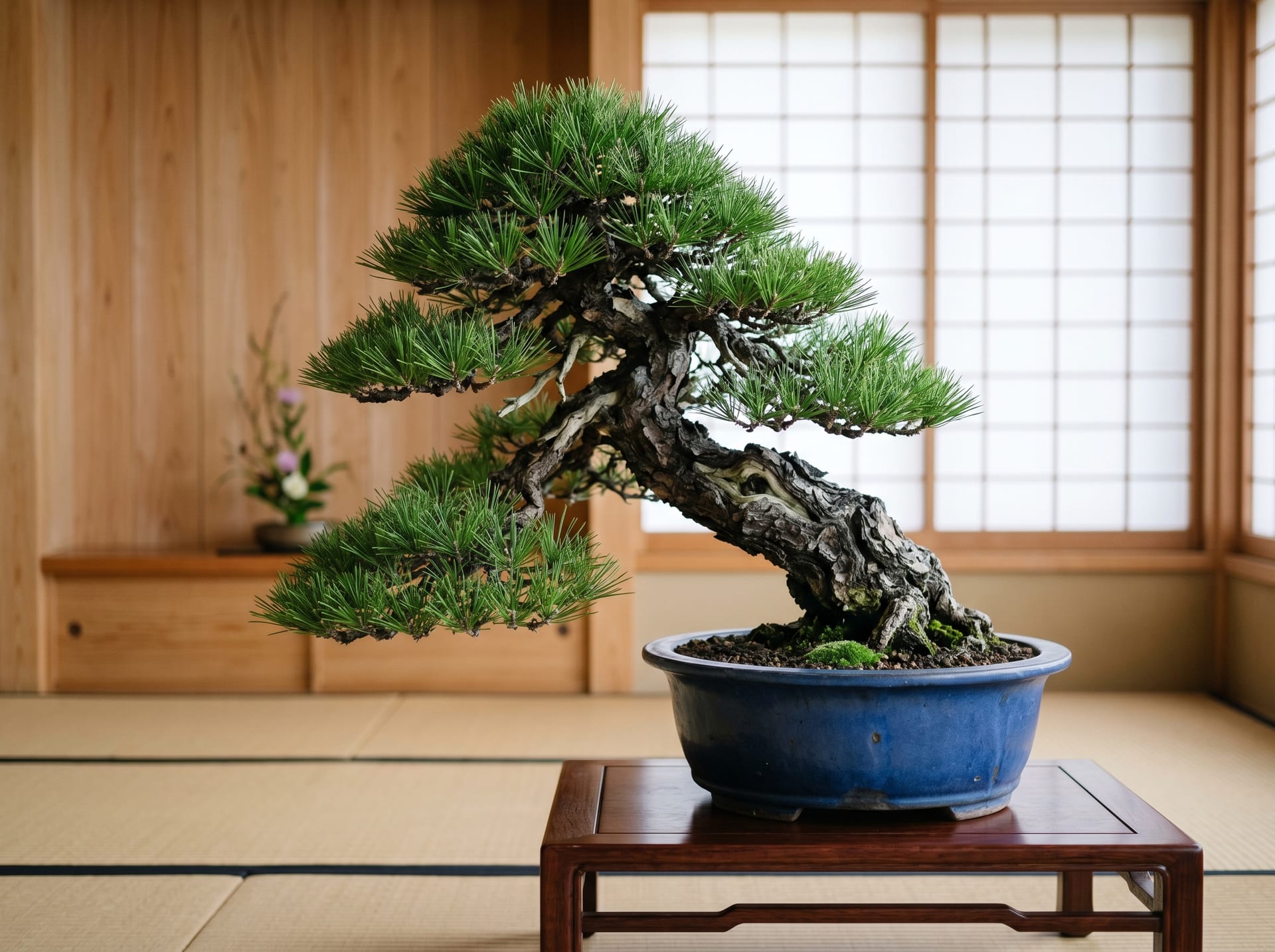
Other Bonsai
The "Other Bonsai" category encompasses a wide variety of plant species shaped into bonsai beyond classic choices like pine, plum, and maple. Each species has its own character and care requirements, making the search for your perfect tree a rewarding journey. Many species in this category are beginner-friendly, offering a great entry point into the art of bonsai.
Grower Wanted!
List your plants on GrowerDirect and sell directly to customers nationwide!
6 Transparency Commitments from GrowerDirect
Growers clearly display the following information for all Bonsai listings. Guaranteed transparency for tree variety, origin, light requirements, and difficulty level.
- Tree Variety
- Real Photos
- Color & Appearance
- Growing Region
- Light Requirements
- Difficulty Level
Browse all 144 varieties
Light Requirements
Difficulty Level
Verified growers wanted for Bonsai
Growers are signing up now ahead of launch. Subscribe to be notified when new listings go live.
Getting alerts is free with a member account. When new listings match your saved search, we'll notify you by email and in-app.
Browse other categories
Verified growers (preview)
About Other Bonsai
Bonsai traces its roots to the Chinese art of "penjing" and evolved in Japan into a distinctive aesthetic discipline. While pine and plum are the most recognized species, the Other Bonsai category encompasses an extraordinary variety — cherry, Japanese maple, quince, ficus, crabapple, mountain maple, and many more. The greatest appeal lies in experiencing the full rhythm of the seasons within a single pot: spring budding, lush summer foliage, autumn color and fruit, and the quiet elegance of bare winter branches. Trees can be styled in many forms, including upright, curved, and cascade, with each grower's personality shaping the final result. Sturdy, vigorous species like zelkova and ficus are excellent entry points for beginners, while flowering and fruiting trees offer a natural next step as your skills and confidence grow.
7 things to know before growing Other Bonsai
1Care Varies by Species
Watering frequency, pruning timing, and winter care differ significantly depending on the species. Researching the specific tree's basic care requirements before purchase helps avoid early mistakes. Asking the breeder or seller for detailed care instructions at the time of purchase is highly recommended.
2Choosing the Right Spot
Most bonsai thrive outdoors with ample sunlight, though some species need protection from intense direct sun or frost. If kept indoors, a well-lit windowsill with good airflow is ideal. Adjusting placement seasonally is key to long-term success.
3Mastering Watering Basics
Bonsai pots are small and dry out quickly, so checking soil moisture daily is essential. The general rule is to water thoroughly when the topsoil surface feels dry, though frequency varies by species and season. Both overwatering and underwatering can damage roots, so careful adjustment is important.
4Fertilizing at the Right Time
Because bonsai grow in a small volume of soil, regular fertilizing is necessary to replenish nutrients. A general guideline is to apply slow-release fertilizer once or twice a month during the growing season (spring through autumn). Avoid fertilizing during dormancy in winter, as it can damage the roots.
5Repotting for Healthy Roots
When roots fill the pot, water and nutrient uptake become less efficient, making periodic repotting necessary. Depending on the species and growth rate, repotting every two to five years is a common guideline. The best timing varies by species, so confirm the appropriate season before proceeding.
6Pruning to Shape the Tree
Pruning is essential for maintaining shape and ensuring light and airflow reach the interior of the tree. Major pruning is best done around the beginning or end of the growing season, while minor pinching can be done throughout. Applying wound sealant to cut surfaces helps prevent pest and disease entry.
7What to Check Before Buying
Bonsai vary greatly in condition depending on species, age, and form. You will also need to prepare a pot, soil mix, fertilizer, and pruning tools separately. When acquiring a tree, check the trunk and base, branch placement, and leaf color and vitality, and ask the breeder or seller about care so you can manage it with confidence afterward.
Frequently asked questions about Other Bonsai
- Q.Which species are easiest for beginners?
- A.Zelkova, ficus, and satsuki azalea are resilient species that recover well from beginner mistakes. They are also widely available at garden centers and bonsai specialty shops. Look for trees labeled as beginner-friendly when starting out.
- Q.Can bonsai be kept indoors full-time?
- A.Tropical species like ficus are well-suited to indoor conditions, but most deciduous trees and conifers require outdoor care. If you must keep a tree indoors, place it in a bright window and move it outside periodically. Choosing trees labeled as "indoor bonsai" simplifies management considerably.
- Q.How often should I water my bonsai?
- A.Watering frequency depends on species, season, and pot size — there is no universal "once a day" rule. The general guideline is to water thoroughly whenever the top soil feels dry: twice daily in summer and every few days in winter. Checking the soil moisture daily by touch is the most reliable approach.
- Q.Are there bonsai that flower or produce fruit?
- A.Yes, the Other Bonsai category includes many species valued for their flowers or fruit, such as cherry, quince, crabapple, and pyracantha. For flowering trees, pruning at the wrong time can eliminate next year's blooms, so it is important to research the correct pruning window for each species beforehand.
- Q.How do I shape a bonsai tree?
- A.The two primary techniques are pruning and wiring. Pruning removes unwanted branches, while wiring involves wrapping wire in a spiral along branches to bend and guide their direction. Wire must be removed before it bites into the bark, so regular monitoring is essential. Learning the basics from a beginner guide or tutorial video before practicing is highly recommended.
Handy Growing Tools for Other Bonsai
More in this category
Can't find the plant you're looking for?
Post your wishes for free and growers with matching plants will contact you with introductions.