 © Sailko / CC BY-SA 4.0
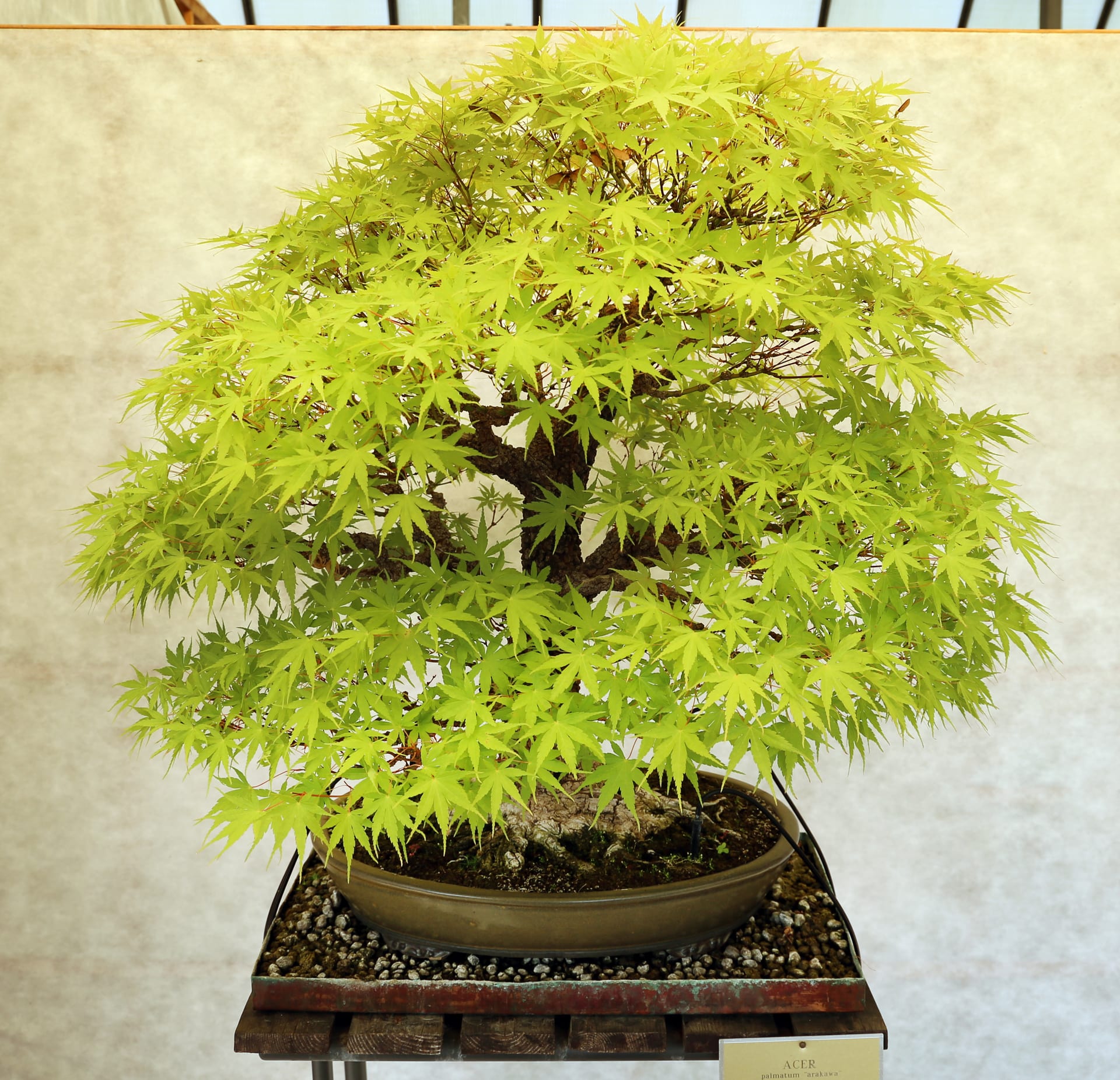
Arakawa (rough-bark) Japanese maple
Arakawa is a Japanese maple prized for its rough-bark character: even young trees develop a coarse, craggy trunk texture that gives them the presence of a much older tree. Unlike ordinary maples, which keep smooth bark as they age, Arakawa's trunk is instantly recognizable at a glance. This makes it possible to create a bonsai with an aged, weathered look using relatively young material. Considered suitable for intermediate growers, Arakawa rewards those who enjoy watching the bark's texture evolve alongside the tree's shape over time. It's a distinctive choice for anyone drawn to maple bonsai with real character.
View Arakawa (rough-bark) Japanese maple encyclopedia →0% commission on your first sales!Register by September 30, 2026 and your first 2 plants are commission-free!
Grower Wanted!
List your plants on GrowerDirect and sell directly to customers nationwide!
6 Transparency Commitments from GrowerDirect
Growers clearly display the following information for all Bonsai listings. Guaranteed transparency for tree variety, origin, light requirements, and difficulty level.
- Tree Variety
- Real Photos
- Color & Appearance
- Growing Region
- Light Requirements
- Difficulty Level
Browse all 144 varieties
Light Requirements
Difficulty Level
Verified growers wanted for Bonsai
Growers are signing up now ahead of launch. Subscribe to be notified when new listings go live.
Getting alerts is free with a member account. When new listings match your saved search, we'll notify you by email and in-app.
Browse other categories
Verified growers (preview)
Arakawa (rough-bark) Japanese maple key facts
- Growing Difficulty
- Intermediate
- Lifespan
- Little data for the cultivar
- Size
- Sold from shohin to large bonsai (little data on mature size)
- Watering
- Fertilizer (spring and autumn)
- Light & placement
- Sun and good airflow; it dislikes afternoon sun, so shade 50–70% from the end of the rainy season to early September to prevent scorch
- Watering
- Dries fast once in leaf: about twice daily in spring, 2–3 in summer, every 1–2 days in winter, aiming at the soil. Summer drought spoils autumn colour
- Temperature & overwintering
- Cold-hardy (A. palmatum: USDA zone 5). After leaf fall let it see 2–3 frosts, then shelter from drying wind and late frost
- Soil & repotting
- Free-draining mix; repot around March before budbreak, every 2–3 years (1–2 for mini), pruning roots to encourage fine feeders
- Fertilizer
- Organic fertilizer in mid-April once leaves harden, a top-up in May; autumn feeding from mid-August, finishing in September to aid colour
- Pruning & styling
- The bark is the feature, so keep wiring minimal and shape with pinching (mid-March to mid-April) and pruning. Cut thick branches before budbreak, fine twigs around leaf fall
- Pests & cautions
- Aphids and scale on new growth and powdery mildew from the rainy season. Thin leaves are easily damaged by sprays—follow label rates
About Arakawa (rough-bark) Japanese maple
Arakawa is a Japanese maple bonsai known for its rough, craggy trunk, visible even in young trees. Unlike smooth-barked maples, it stands out at a glance. Suited to intermediate growers.
7 things to know before growing Arakawa (rough-bark) Japanese maple
1Give It Full Sun
Arakawa does best outdoors in a spot with plenty of sun and good air circulation. Full light and fresh air help keep growth compact and branches well-formed. Just shield it from harsh summer afternoon sun and hard winter frost by moving the pot as needed.
2Never Let It Dry Out
Maples are thirstier than many other bonsai species and don't tolerate drying out well. Water thoroughly as soon as the soil surface dries, especially in summer, before leaf tips start to scorch. Arakawa's watering needs follow the same basic rules as any Japanese maple.
3Well-Draining Soil
Like other maple bonsai, Arakawa prefers an akadama-based mix that balances good drainage with enough water retention. Aim for soil that avoids waterlogging and root rot without drying out too quickly either.
4Repot During Dormancy
The best time to repot is during winter dormancy, ideally just before spring buds break. Young trees tend to fill their pots with roots quickly, so repotting roughly every one to two years helps keep the tree vigorous.
5Pruning and Fall Color
Like other maples, Arakawa offers seasonal appeal through fresh spring foliage and vivid autumn color. Structural pruning is best done during the leafless dormant season, and sealing cut ends with wound paste helps prevent dieback.
6Choose by Bark Texture
When selecting an Arakawa, look closely at the bark's texture and pattern, since the degree of roughness varies from tree to tree even within the same variety. Picking a specimen whose bark character matches your taste and future styling plans will help you find one you're happy with long-term.
7From Shohin to Larger Sizes
Arakawa is grown as bonsai in sizes ranging from small shohin specimens up to larger trees. Since the size you choose affects how much space and care it needs, it's worth matching the scale to your own growing environment.
Frequently asked questions about Arakawa (rough-bark) Japanese maple
- Q.What makes Arakawa different from a regular Japanese maple?
- A.The main difference is the bark. Ordinary maples keep smooth bark as they grow, while Arakawa develops a rough, craggy trunk texture even while young, making it visually distinct.
- Q.Can beginners grow Arakawa?
- A.Arakawa is generally considered suitable for intermediate growers rather than complete beginners. The basic care overlaps with maples in general, but some prior experience with watering timing, pruning, and repotting will make it easier to manage well.
- Q.At what age does the rough bark start to show?
- A.Arakawa is known for developing rough bark texture even while still a young tree, which is one of its defining traits. That said, how quickly this progresses varies from tree to tree, and little has been documented about a typical timeline for the cultivar.
- Q.What bonsai sizes is Arakawa suited to?
- A.Arakawa is trained into bonsai across a wide range of sizes, from small shohin to larger specimens. Being able to choose material to match your intended size is one of the practical advantages of this variety.
- Q.Does Arakawa have appeal beyond its bark?
- A.Aside from the bark texture, Arakawa shares the same general appeal as Japanese maples, including spring foliage and autumn color. Its standout trait is how it lets even young material take on the presence of an old, weathered tree.
Handy Growing Tools for Arakawa (rough-bark) Japanese maple
Learn more about Arakawa (rough-bark) Japanese maple in the encyclopedia
View Arakawa (rough-bark) Japanese maple encyclopedia entry →
Care difficulty, size, origin and light needs — all basics covered.
More in this category
Can't find the plant you're looking for?
Post your wishes for free and growers with matching plants will contact you with introductions.