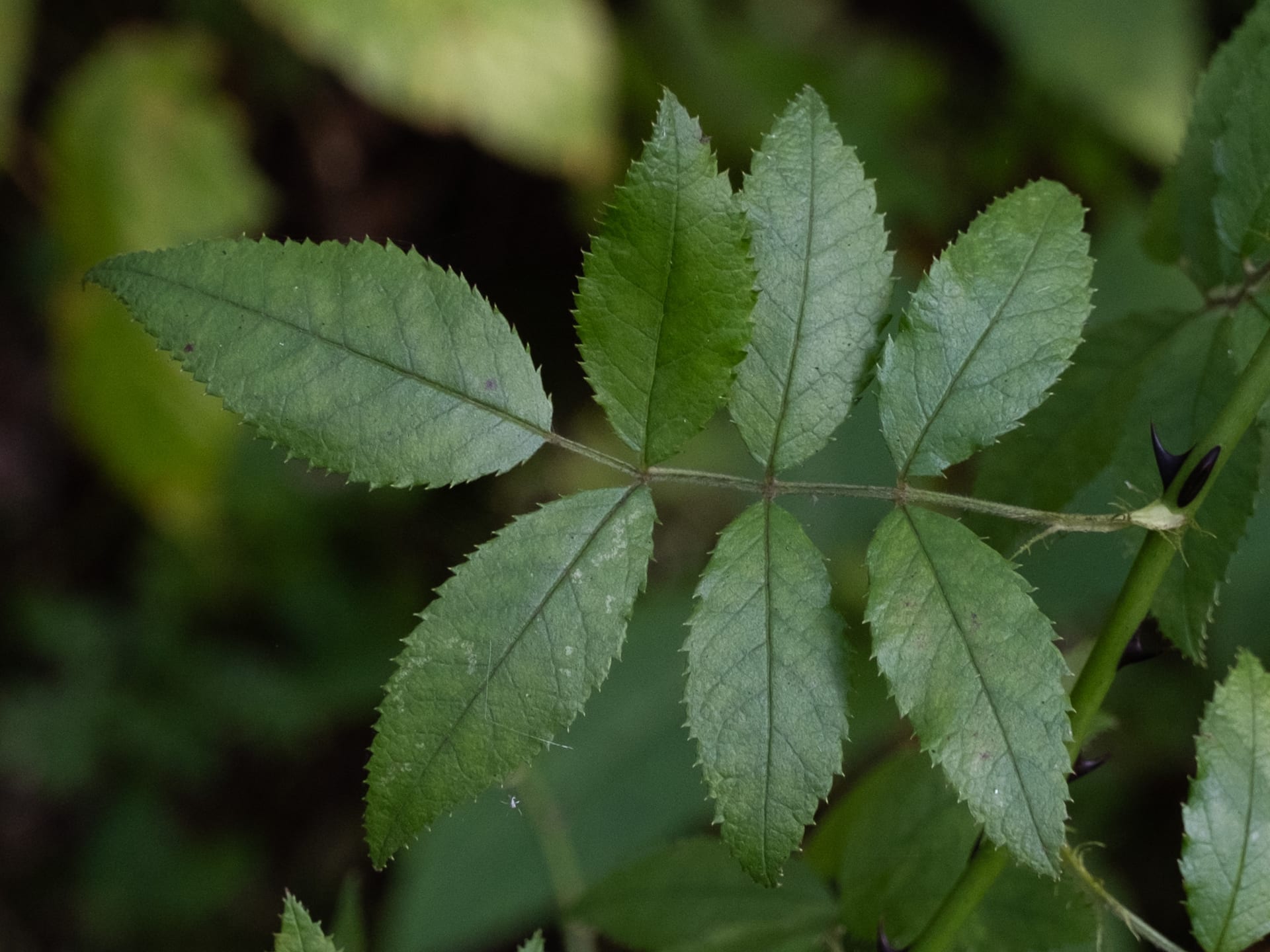
 © Alex Abair / CC BY 4.0
Multiflora rose
Multiflora rose (Noibara) is one of Japan's best-known wild roses. In early summer it bears clusters of small, strongly scented white flowers, and in autumn it sets red hips (false fruits). It is one of the wild species that contributed to rose breeding around the world, and as a bonsai it lets you enjoy both flowers and fruit on a plant that still looks like a true wild rose. In nature it reaches 1–3 m in height, but pruning and pot culture keep it compact. It is rated beginner-friendly: give it sun and steady moisture, and it rewards you with a clear change of scenery through the seasons. Reliable data on its lifespan is limited.
View Multiflora rose encyclopedia →0% commission on your first sales!Register by September 30, 2026 and your first 2 plants are commission-free!
Grower Wanted!
List your plants on GrowerDirect and sell directly to customers nationwide!
6 Transparency Commitments from GrowerDirect
Growers clearly display the following information for all Bonsai listings. Guaranteed transparency for tree variety, origin, light requirements, and difficulty level.
- Tree Variety
- Real Photos
- Color & Appearance
- Growing Region
- Light Requirements
- Difficulty Level
Browse all 144 varieties
Light Requirements
Difficulty Level
Verified growers wanted for Bonsai
Growers are signing up now ahead of launch. Subscribe to be notified when new listings go live.
Getting alerts is free with a member account. When new listings match your saved search, we'll notify you by email and in-app.
Browse other categories
Verified growers (preview)
Multiflora rose key facts
- Growing Difficulty
- Beginner-friendly
- Lifespan
- Little data on lifespan
- Size
- 1–3 m tall
- Watering
- Fertilizer (monthly April–October)
- Light & placement
- Keep in full sun; poor light and airflow invite pests
- Watering
- It dries out easily while flowering in summer—water carefully
- Temperature & overwintering
- Cold-hardy, growing as far north as southern Hokkaido
- Soil & repotting
- Unfussy about soil. Repot around the autumn equinox in September
- Fertilizer
- Solid fertilizer monthly, April–October
- Pruning & styling
- Flowers form at the tips of new shoots, rarely on long ones—cut long shoots back to 2–3 buds. Prunings root as cuttings from spring to autumn
- Pests & cautions
- Pest-resistant, but a winter dormant spray helps prevention. Mind the sharp thorns. It is native—buy nursery-grown plants, not wild-dug ones
About Multiflora rose
Multiflora rose bonsai: a beginner-friendly Japanese wild rose with fragrant white flowers in early summer and red hips in autumn. Care and buying tips.
7 things to know before growing Multiflora rose
1Sunny outdoor spot
Multiflora rose is a sun-loving deciduous rose. In a bright, airy spot outdoors it flowers and fruits better and stays sturdier instead of growing leggy. Keeping it indoors for long periods tends to weaken it.
2Watering and feeding
During the growing season, water thoroughly whenever the soil surface dries. Pots dry out fast during early-summer bloom and in hot weather, so check them daily. Feed lightly in the growing season, since too much fertilizer produces leafy growth at the expense of flowers.
3Free-draining soil
A free-draining mix based on akadama and blended with pumice or kanuma suits it well. Roots that stay constantly wet will suffer, so make sure the pot drains freely. A small amount of organic material can help balance moisture retention and nutrients.
4Repot Around the Autumn Equinox
The best time to repot multiflora rose is around the autumn equinox in late September. Because it grows vigorously and its roots crowd the pot, shake off the old soil, tidy the roots and replant in fresh mix; it is not fussy about soil type. Afterward, keep it out of strong wind for a while and watch for dryness.
5Pruning with flowers in mind
Flowers form on shoots that grow in spring, so cutting the tips back hard after budbreak reduces the bloom. Trim overgrown branches after flowering, and do heavier shaping in the dormant season. The stems are thorny, so wear thick gloves when working on it.
6Seasonal care
The plant follows a clear yearly rhythm: budbreak in spring, flowers in early summer, red hips in autumn, and leaf drop with dormancy in winter. As a hardy wild rose it can stay outdoors through winter, but watch for frozen or dried-out pots. Aphids and powdery mildew tend to appear in the growing season, so spot them early and deal with them promptly.
7Choosing a plant
Look for a plant with sturdy branch bases, few discolored or spotted leaves, and buds spaced evenly along the stems. If you want flowers or fruit, check the listing photos for the branch structure and for flower buds or hips. Every plant has its own shape, so finding one you like is part of the fun.
Frequently asked questions about Multiflora rose
- Q.Can a beginner grow it?
- A.Yes, it is rated beginner-friendly. If you cover the basics of good sun, steady watering and pruning after flowering, it is an easy plant to grow. Reliable data on its lifespan is limited, so set up a good environment with a long-term view.
- Q.When can I enjoy the flowers and hips?
- A.Flowers are the highlight in early summer and hips (false fruits) in autumn. In early summer, small, strongly scented white flowers open in clusters, and in autumn the red hips color up.
- Q.How large does it get as a bonsai?
- A.In nature it grows 1–3 m tall, but as a bonsai it is kept small through pruning and pot size. The actual size differs from plant to plant, so check the photos and description on each listing.
- Q.Can I grow it indoors?
- A.It is best kept outdoors in a sunny spot. Because it loves sunlight, indoor conditions often lead to fewer flowers and stretched, leggy growth.
- Q.Why is my plant not flowering or fruiting?
- A.Common causes are too little sun, hard pruning of the spring shoots that carry the flowers, and overfeeding that pushes leafy growth. Give it a sunnier spot, prune after flowering or in the dormant season, and go easy on fertilizer.
Handy Growing Tools for Multiflora rose
Learn more about Multiflora rose in the encyclopedia
View Multiflora rose encyclopedia entry →
Care difficulty, size, origin and light needs — all basics covered.
More in this category
Can't find the plant you're looking for?
Post your wishes for free and growers with matching plants will contact you with introductions.