 © Plant Image Library / CC BY-SA 2.0
Linden viburnum
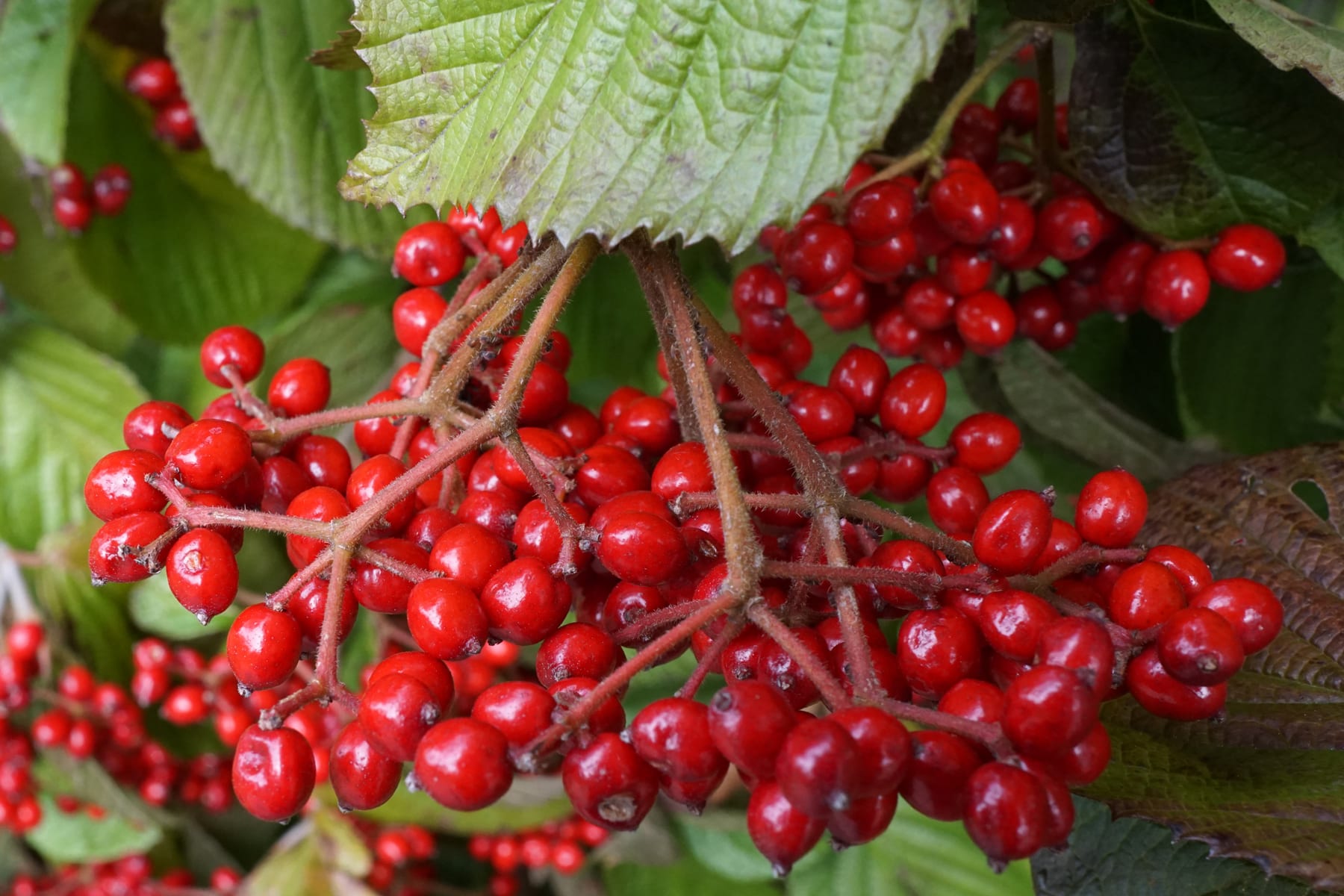
Linden viburnum is a deciduous shrub native to secondary forests across Japan. In early summer it produces clusters of small white flowers arranged in flat, umbrella-like heads, and by autumn these give way to bunches of red berries about 6mm across that brighten the branches alongside the season's changing leaf colors. In the wild it typically grows 2 to 5 meters tall, but as bonsai it can be trained into a much smaller, compact form. Among bonsai growers, the small-leafed 'Kinkazan' cultivar is especially popular, and the species is considered a classic choice among fruiting deciduous bonsai. It's regarded as beginner-friendly, making it a good option for those just starting out with deciduous bonsai.
View Linden viburnum encyclopedia →0% commission on your first sales!Register by September 30, 2026 and your first 2 plants are commission-free!
Grower Wanted!
List your plants on GrowerDirect and sell directly to customers nationwide!
6 Transparency Commitments from GrowerDirect
Growers clearly display the following information for all Bonsai listings. Guaranteed transparency for tree variety, origin, light requirements, and difficulty level.
- Tree Variety
- Real Photos
- Color & Appearance
- Growing Region
- Light Requirements
- Difficulty Level
Browse all 144 varieties
Light Requirements
Difficulty Level
Verified growers wanted for Bonsai
Growers are signing up now ahead of launch. Subscribe to be notified when new listings go live.
Getting alerts is free with a member account. When new listings match your saved search, we'll notify you by email and in-app.
Browse other categories
Verified growers (preview)
Linden viburnum key facts
- Growing Difficulty
- Beginner-friendly
- Lifespan
- Little data on lifespan
- Size
- 2–5 m tall
- Watering
- Fertilizer (sparingly, April to the rainy season and Sept–Nov)
- Light & placement
- Bright, airy spot or part shade, with shade cloth in summer. More sun means better flowers and fruit
- Watering
- Likes water and dries fast in growth: 1–2 times daily in spring, 2–3 in summer, every 1–2 days in winter. Summer drought scorches leaves and affects next year's buds
- Temperature & overwintering
- Heat- and cold-tolerant, but give basic winter protection in a cold frame
- Soil & repotting
- Fast roots pot-bind quickly; repot every 1–2 years in March before budbreak
- Fertilizer
- Overfeeding causes leggy growth and poor fruiting—feed little and often: monthly April to the rainy season, none in summer, monthly Sept–Nov
- Pruning & styling
- Buds rise with the spring shoots, so on fruiting trees pinch only budless shoots to one node in May. Next year's buds form mid-July to August, so stop pinching from July
- Pests & cautions
- Poor airflow invites scale and spider mites, and powdery mildew in the rainy season. It is native—buy nursery-grown plants, not wild-dug ones
About Linden viburnum
Linden viburnum is a Japanese deciduous shrub with white spring flowers and red autumn berries. The 'Kinkazan' cultivar is popular in bonsai, prized as a beginner-friendly fruiting variety.
7 things to know before growing Linden viburnum
1Light & Air Circulation
Linden viburnum thrives with plenty of sunlight, so keep it outdoors and give it full sun year-round. Strong afternoon summer sun can scorch the leaves, so consider adjusting the pot's position or providing some shade during the hottest part of the day. Good air circulation around the plant also helps prevent pests and disease.
2Watering Basics
Water thoroughly once the soil surface has dried out. In summer the soil dries quickly, so watering both morning and evening may be necessary. In winter, as the plant enters dormancy and drops its leaves, cut back on how often you water.
3Choosing Soil
This shrub prefers a soil mix that balances drainage with moisture retention. A standard deciduous-bonsai mix based on akadama with some leaf mold added works well. Take care to avoid overwatering, which can lead to root rot.
4Repotting Timing
Because its roots grow vigorously, repot roughly every one to two years. The best time is early spring, before new buds break, while the plant is still dormant. Repotting with some root pruning helps maintain both the tree's shape and its vigor.
5Seasonal Care & Pruning
Flower buds form near the branch tips from summer into autumn, so pruning at the wrong time can reduce next year's flowers and berries. As a rule, prune right after flowering to shape the tree. Once the leaves drop in winter is also a good time to check the branch structure and remove unnecessary branches.
6Fertilizing
To encourage good flowering and fruiting, it's common to apply a slow-release solid fertilizer around the time new buds emerge in spring and again in autumn. Avoid fertilizing during the height of summer, as it can stress the roots. If fruiting is a priority, choose a fertilizer containing phosphorus.
7Choosing a Tree
For bonsai, cultivars with small, compact leaves such as 'Kinkazan' are easier to work with and a good place to start. Look for a tree with finely branching twigs and a trunk that already shows some age and character, which lets you enjoy that classic deciduous-bonsai look sooner. Choosing a specimen when berries are visible also makes it easier to judge its flowering and fruiting potential.
Frequently asked questions about Linden viburnum
- Q.Is linden viburnum suitable for beginners?
- A.Yes, linden viburnum is generally considered a beginner-friendly species to grow. As long as you keep up with basic light, watering, and soil care, it's an approachable choice even for those new to deciduous bonsai.
- Q.Which cultivar is popular for bonsai?
- A.The 'Kinkazan' cultivar, known for its small, compact leaves, is especially popular for bonsai. It's a well-loved classic among fruiting deciduous bonsai varieties.
- Q.When do the berries appear, and how big are they?
- A.Clusters of red berries about 6mm across form in autumn. Since this coincides with the season's leaf color change, you can enjoy both the berries and the autumn foliage together.
- Q.How often does it need repotting?
- A.Because its roots grow vigorously, repotting is generally needed about once every one to two years. The best time is early spring, before new buds start to break, while the tree is still dormant.
- Q.Is it better suited to outdoor or indoor growing?
- A.Linden viburnum prefers plenty of light and good air circulation, so outdoor care is standard. As a deciduous tree it also needs a winter dormancy period, making an outdoor environment where it can experience the changing seasons the better fit.
Handy Growing Tools for Linden viburnum
Learn more about Linden viburnum in the encyclopedia
View Linden viburnum encyclopedia entry →
Care difficulty, size, origin and light needs — all basics covered.
More in this category
Can't find the plant you're looking for?
Post your wishes for free and growers with matching plants will contact you with introductions.