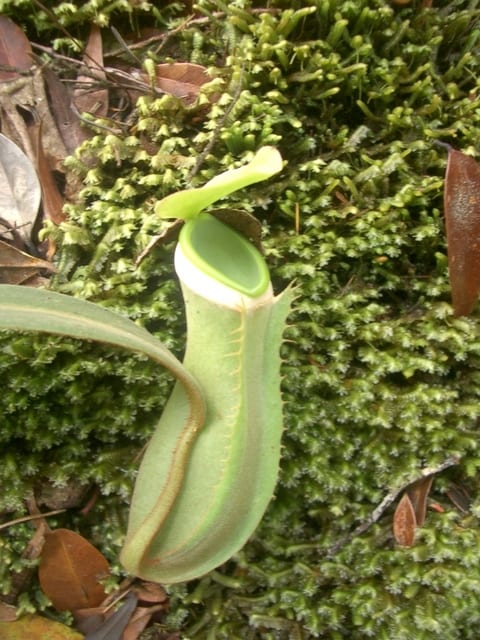
 © Alfindra Primaldhi / CC BY 2.0
Nepenthes albomarginata
Nepenthes albomarginata is a striking pitcher plant known for the band of white hairs that circles its pitcher just below the rim, the source of its name, meaning "white-margined." It's famous among carnivorous plant enthusiasts as a termite specialist, using that white band to lure and trap termites. The pitchers are compact, reaching about 15cm in height, while the vining stems of this perennial climber can eventually stretch up to 4 meters. Cultivation calls for some intermediate-level care, but the reward is a front-row seat to one of the most distinctive trapping strategies in the pitcher plant world.
View Nepenthes albomarginata encyclopedia →0% commission on your first sales!Register by September 30, 2026 and your first 2 plants are commission-free!
Grower Wanted!
List your plants on GrowerDirect and sell directly to customers nationwide!
6 Transparency Commitments from GrowerDirect
Every Grower listing discloses variety, origin, light requirements, and difficulty level for Carnivorous Plants. Complete transparency, guaranteed.
- Variety Disclosed
- Real Photos
- Color Information
- Origin Disclosed
- Light Requirements
- Difficulty Level
Browse all 145 varieties
Light Requirements
Difficulty Level
Verified growers wanted for Carnivorous Plants
Growers are signing up now ahead of launch. Subscribe to be notified when new listings go live.
Getting alerts is free with a member account. When new listings match your saved search, we'll notify you by email and in-app.
Browse other categories
Are you growing carnivorous plants?
Register as a grower and connect with buyers directly.
Apply as a growerNepenthes albomarginata key facts
- Growing Difficulty
- Intermediate
- Lifespan
- Perennial climber
- Size
- Pitchers about 15 cm tall; stems to 4 m
- Watering
- Very dilute fertilizer at most (catches termites and other insects)
- Light & Placement
- Grow in bright light; it comes from open heath forest and summits, and pitchers poorly in shade.
- Watering
- Use rain water or water low in dissolved minerals and water before the mix dries out. Do not leave the pot standing in water; a free-draining mix keeps the roots healthy.
- Temperature & Overwintering
- Found from sea level to 1,200 m and usually treated as lowland; it dislikes cold, so keep it in a warm room in winter.
- Soil & Repotting
- Plant in a free-draining, airy mix; pure sphagnum or orchid mix with sphagnum or perlite are common choices.
- Fertilizer
- If using chemical fertilizer, use it at very low strength; an occasional insect dropped into a pitcher is enough.
- Pests & Cautions
- The white band may disappear after the pitcher catches prey; this is normal for the species, not a disease.
About Nepenthes albomarginata
Nepenthes albomarginata is a termite-trapping pitcher plant with a white hair band beneath the rim. An intermediate-level perennial vine, its pitchers reach about 15cm and vines can grow up to 4m.
7 things to know before growing Nepenthes albomarginata
1Bright, Indirect Light
Direct, harsh sunlight can scorch the leaves, so filtered light or bright shade works best. Good airflow also helps encourage the plant to form pitchers.
2Water Generously
In the wild this species grows in consistently moist tropical conditions, so water before the growing medium fully dries out. Tray watering is common, but avoid leaving water sitting indefinitely; let it dry out periodically to prevent waterlogging.
3Use a Well-Draining Mix
Pure sphagnum moss, or sphagnum mixed with perlite or pumice, makes a well-draining medium suited to this species. Avoid nutrient-rich potting soils, which can damage the roots.
4Keep Humidity High
Higher ambient humidity encourages reliable pitcher formation. During dry seasons, misting the leaves or placing a water tray near the plant helps maintain moisture in the air.
5Repot Before Roots Crowd
As a vigorous climbing vine, it should be moved to a slightly larger pot once roots fill the current one. Repotting during the warmer growing season minimizes stress on the plant.
6Bring Indoors in Winter
Being tropical, this plant is sensitive to cold and should be moved to a warm indoor spot as temperatures drop. Growth slows in winter, so reduce watering frequency slightly during that period.
7Choose an Actively Growing Vine
As a perennial climbing vine, look for well-extended growth with roots or new shoots emerging from the nodes, a sign of stable growth. A plant already carrying multiple pitchers shows it has adapted well to its growing conditions.
Frequently asked questions about Nepenthes albomarginata
- Q.Why does the pitcher have a band of white hairs?
- A.Nepenthes albomarginata is known as a termite specialist: the band of white hairs just below the pitcher's rim lures and traps termites. This distinctive feature is also the source of the plant's name.
- Q.Is this a good plant for beginners?
- A.This species is generally considered suited to intermediate growers, since it benefits from some experience managing humidity and growing medium. It's best to understand the basics of its care before starting.
- Q.How big do the pitchers get?
- A.Pitchers typically reach around 15cm in height. As a perennial climbing vine, the plant's stems can eventually grow up to about 4 meters long.
- Q.Why isn't my plant forming pitchers?
- A.Insufficient light or humidity can cause the vine to grow without producing pitchers. Providing bright light and consistently high humidity helps encourage pitcher formation.
- Q.Since it's carnivorous, do I need to feed it insects?
- A.While it specializes in trapping termites in the wild, there's no strict need to feed it insects when grown indoors. The pitchers will naturally capture surrounding insects to supplement its nutrition.
Handy Growing Tools for Nepenthes albomarginata
Learn more about Nepenthes albomarginata in the encyclopedia
View Nepenthes albomarginata encyclopedia entry →
Care difficulty, size, origin and light needs — all basics covered.
More in this category
Can't find the plant you're looking for?
Post your wishes for free and growers with matching plants will contact you with introductions.