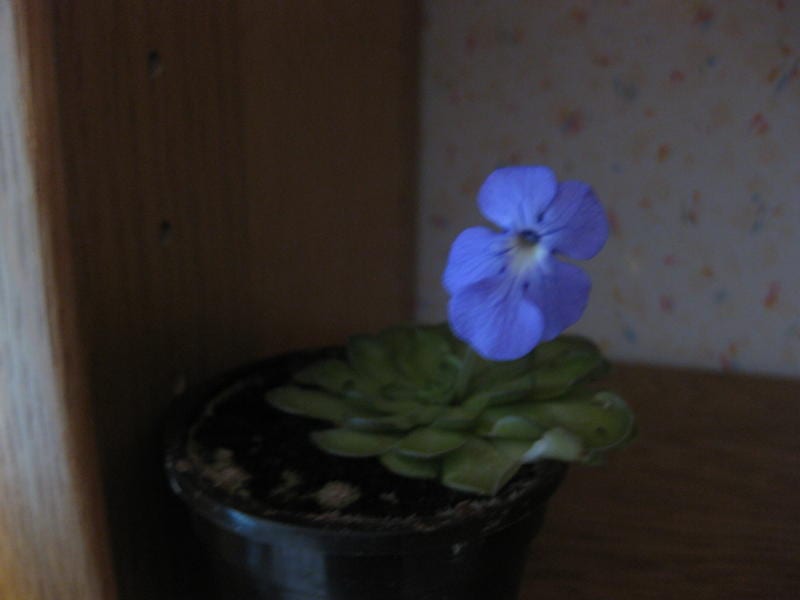
 © Nephiliskos at de.wikipedia / CC BY-SA 3.0
Pinguicula cyclosecta
Pinguicula cyclosecta is a small butterwort native to the limestone regions of northeastern Mexico. Its fleshy leaves are edged in blue-purple, a signature trait that spreads across the whole leaf under strong light. The flowers are purple with neatly rounded petals, giving the plant a different kind of charm than its foliage alone. In summer the rosette can reach up to 6cm across, while in winter it contracts to a compact 2.5cm, so the plant changes character with the seasons. It's considered an easy species for beginners and makes a great first carnivorous plant for anyone getting started with butterworts.
View Pinguicula cyclosecta encyclopedia →0% commission on your first sales!Register by September 30, 2026 and your first 2 plants are commission-free!
Grower Wanted!
List your plants on GrowerDirect and sell directly to customers nationwide!
6 Transparency Commitments from GrowerDirect
Every Grower listing discloses variety, origin, light requirements, and difficulty level for Carnivorous Plants. Complete transparency, guaranteed.
- Variety Disclosed
- Real Photos
- Color Information
- Origin Disclosed
- Light Requirements
- Difficulty Level
Browse all 145 varieties
Light Requirements
Difficulty Level
Verified growers wanted for Carnivorous Plants
Growers are signing up now ahead of launch. Subscribe to be notified when new listings go live.
Getting alerts is free with a member account. When new listings match your saved search, we'll notify you by email and in-app.
Browse other categories
Are you growing carnivorous plants?
Register as a grower and connect with buyers directly.
Apply as a growerPinguicula cyclosecta key facts
- Growing Difficulty
- Beginner-friendly
- Lifespan
- Perennial
- Size
- Summer rosette up to 6 cm across; winter rosette about 2.5 cm
- Watering
- Little or no fertilizer needed (catches small insects on sticky leaves)
- Temperature & Overwintering
- In summer it makes carnivorous leaves in warm, humid conditions; in winter keep it cooler and drier and it rests as a rosette of succulent leaves. Typical indoor windowsill conditions suit it well.
- Light & Placement
- Grow on a bright windowsill or under lights. Many grow on cliffs with little direct sun in the wild, so avoid harsh midsummer sun.
- Watering
- In summer, when it has carnivorous leaves, the pot can stand in up to 2 cm of water. Once it switches to succulent winter leaves, let it dry for about a week between waterings.
- Soil & Repotting
- It is not a bog plant; a mix of equal parts peat, coarse sand and perlite with dolomitic lime added to make it alkaline suits it. Repot or divide in the winter resting phase.
- Pests & Cautions
- Do not use fungicides on Pinguicula; they can kill the plants. Fungus gnat larvae eat the leaves, so a thin layer of coarse sand on the soil surface helps.
About Pinguicula cyclosecta
Pinguicula cyclosecta is a small Mexican butterwort with blue-purple leaf edges and neat purple flowers. It's a beginner-friendly, easy-to-grow perennial carnivorous plant.
7 things to know before growing Pinguicula cyclosecta
1Bright Light Brings Out Color
The blue-purple edging on the leaves intensifies under stronger light. A spot near a window with sheer curtains, or bright semi-shade under shade cloth outdoors, works well. Avoid direct midsummer sun, which can scorch the leaves.
2Keep It Constantly Moist
Like most butterworts, it does best with the tray method, keeping the soil consistently moist from below. Ensure good airflow during hot summer months to prevent rot, and water a bit more sparingly in winter.
3Free-Draining, Slightly Alkaline Mix
It isn't a bog plant; in the wild it grows in limestone crevices. An equal mix of peat, coarse sand, and perlite with dolomite lime added to make it slightly alkaline suits it well.
4Repot During Winter Rest
Repot periodically to prevent the mix from breaking down and the roots from crowding. Repotting and division are best done during the winter rest period.
5Succulent Winter Leaves
In winter it switches to a compact winter rosette about 2.5cm across made of small, succulent, non-carnivorous leaves. Keep it cool and on the dry side during this period; once the winter leaves form, let the soil dry for about a week before watering.
6Summer Growth Reaches 6cm
As temperatures rise, the plant produces its sticky, fleshy carnivorous leaves and the rosette can grow to about 6cm across. This is its true trapping form, so give it plenty of light during the growing season.
7Choose by Leaf Edge Color
When selecting a plant, look for one with clearly visible blue-purple coloring along the leaf edges, a sign it has been grown under adequate light. Pick a rosette with no damage or blackened spots and a tightly formed center.
Frequently asked questions about Pinguicula cyclosecta
- Q.Is this a good species for beginners?
- A.Yes, it's generally considered beginner-friendly. With bottom watering and a bright spot, it's an easy perennial even for those new to carnivorous plants.
- Q.Why aren't the leaf edges turning blue-purple?
- A.This is usually due to insufficient light, since the coloring intensifies under stronger light. Try moving the plant to a brighter window or a spot with filtered direct light.
- Q.The plant looks like it's dying in winter—is that normal?
- A.Yes. In winter it switches to small, succulent, non-carnivorous leaves, forming a winter rosette about 2.5cm across. This isn't dieback, so keep it cool and fairly dry and wait for spring.
- Q.Do I need to feed it insects?
- A.In the wild it catches small insects for nutrients, but feeding isn't strictly necessary when grown indoors. It especially doesn't need feeding during winter, when its trapping activity slows.
- Q.How big does it get?
- A.During warmer months the rosette grows to about 6cm across, shrinking to roughly 2.5cm in winter. This seasonal size change is a distinctive trait of the species.
Handy Growing Tools for Pinguicula cyclosecta
Learn more about Pinguicula cyclosecta in the encyclopedia
View Pinguicula cyclosecta encyclopedia entry →
Care difficulty, size, origin and light needs — all basics covered.
More in this category
Can't find the plant you're looking for?
Post your wishes for free and growers with matching plants will contact you with introductions.