食虫植物图鉴
汇总了受欢迎的食虫植物的养殖方法、捕虫机制和栽培技巧的品种图鉴。
精选食虫植物
显示140个物种中的17个
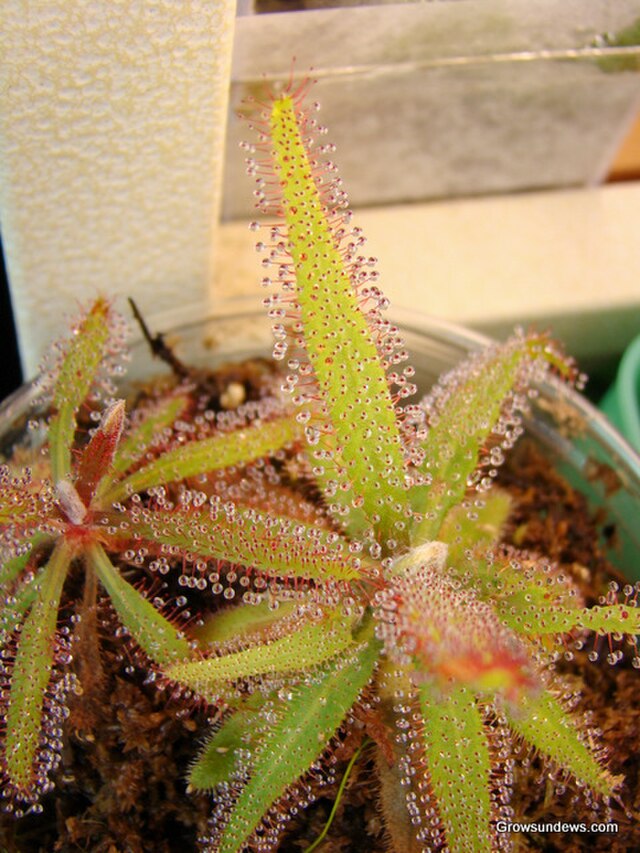 © Aaron May ( Sundewman at en.wikipedia ) / CC BY-SA 3.0
阿德毛毡苔
Drosera adelae
澳洲原产,喜爱半日荫的毛毡苔。特点是披针形长叶。
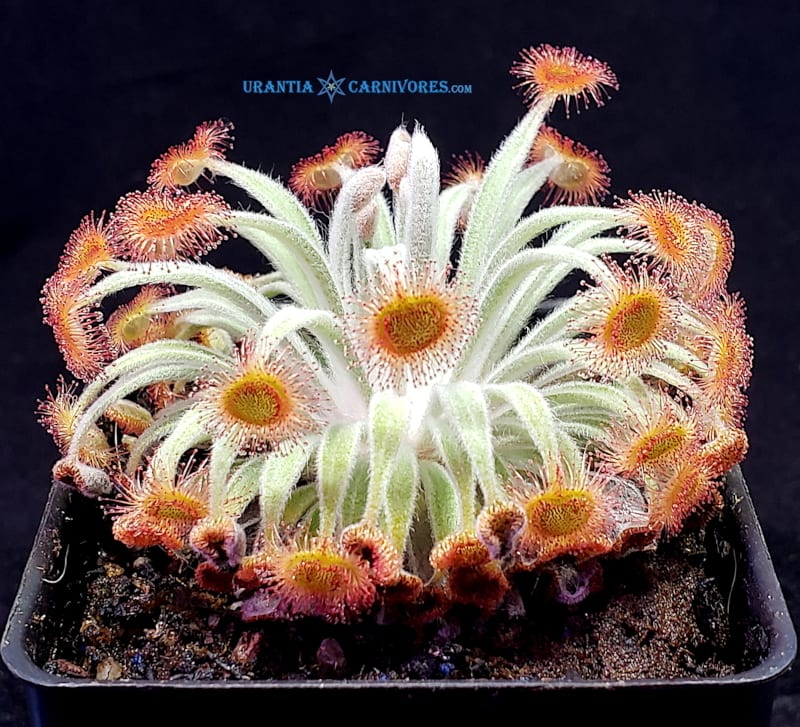 © Cooleyray / CC BY-SA 4.0
奥德毛毡苔
Drosera ordensis
具有银白色长毛密集覆盖的宽叶柄的毛毡苔,属于毛毡苔簇(Petiolaris)的多毛型毛毡苔。开粉红色~白色花朵,野生于澳大利亚北部奥德河流域。
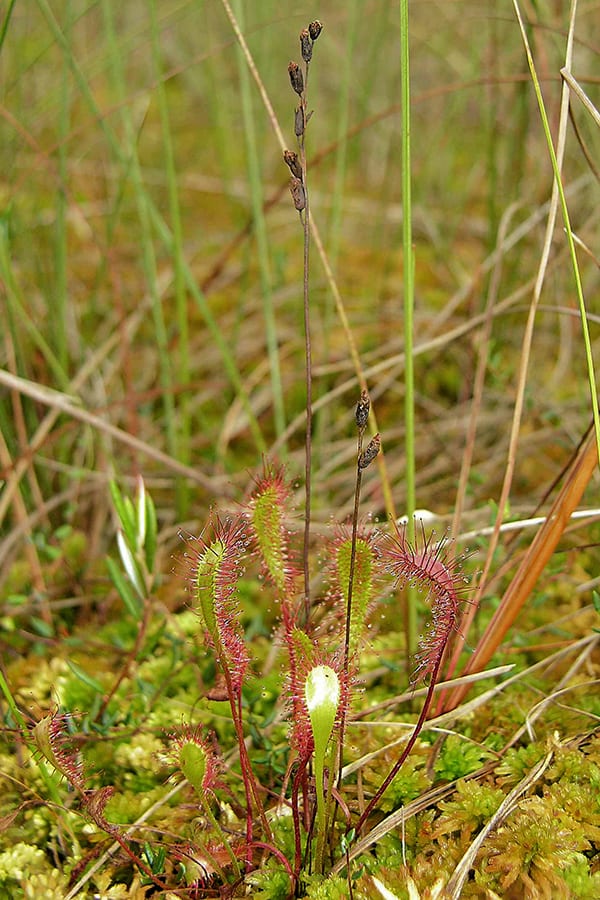 © Thomas Huntke / CC BY-SA 3.0 de
倒卵叶茅膏菜
Drosera × obovata
圆叶毛毡苔与长叶毛毡苔的自然杂交种,具有介于双亲之间的匙形叶片。由于不育,无法产生种子,通过分株或叶插繁殖。在日本双亲共生的湿地沼泽中也有自然分布。
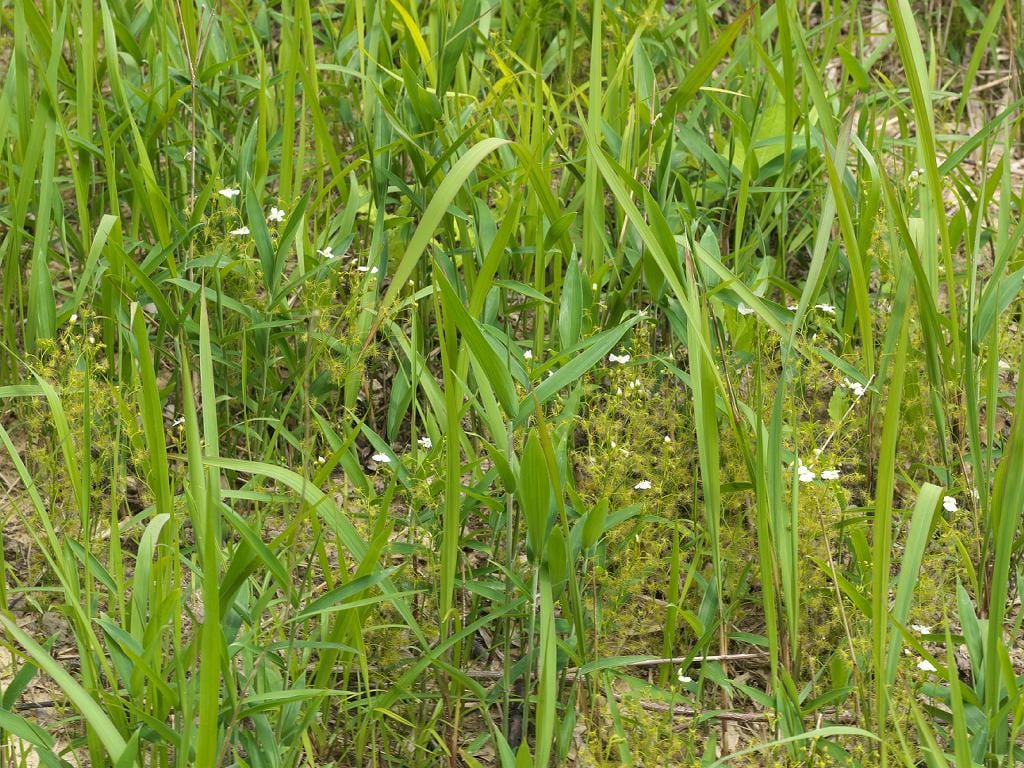 © Keisotyo / CC BY-SA 4.0
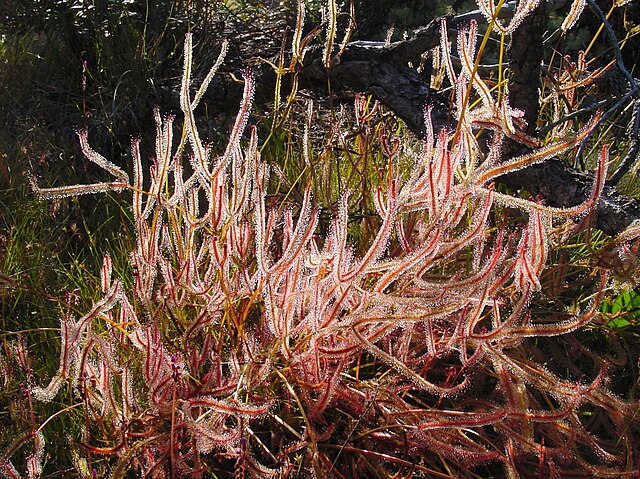
盾叶茅膏菜
Drosera peltata
从地下小球茎在春季长出茎,新月形捕虫叶互生分布的日本自生毛毡苔。因粘液甚至能托起小石而得名。初夏开白花,夏季地上部分枯死进入休眠。
 © No machine-readable author provided. NoahElhardt assumed (based on copyright claims). / CC BY-SA 2.5
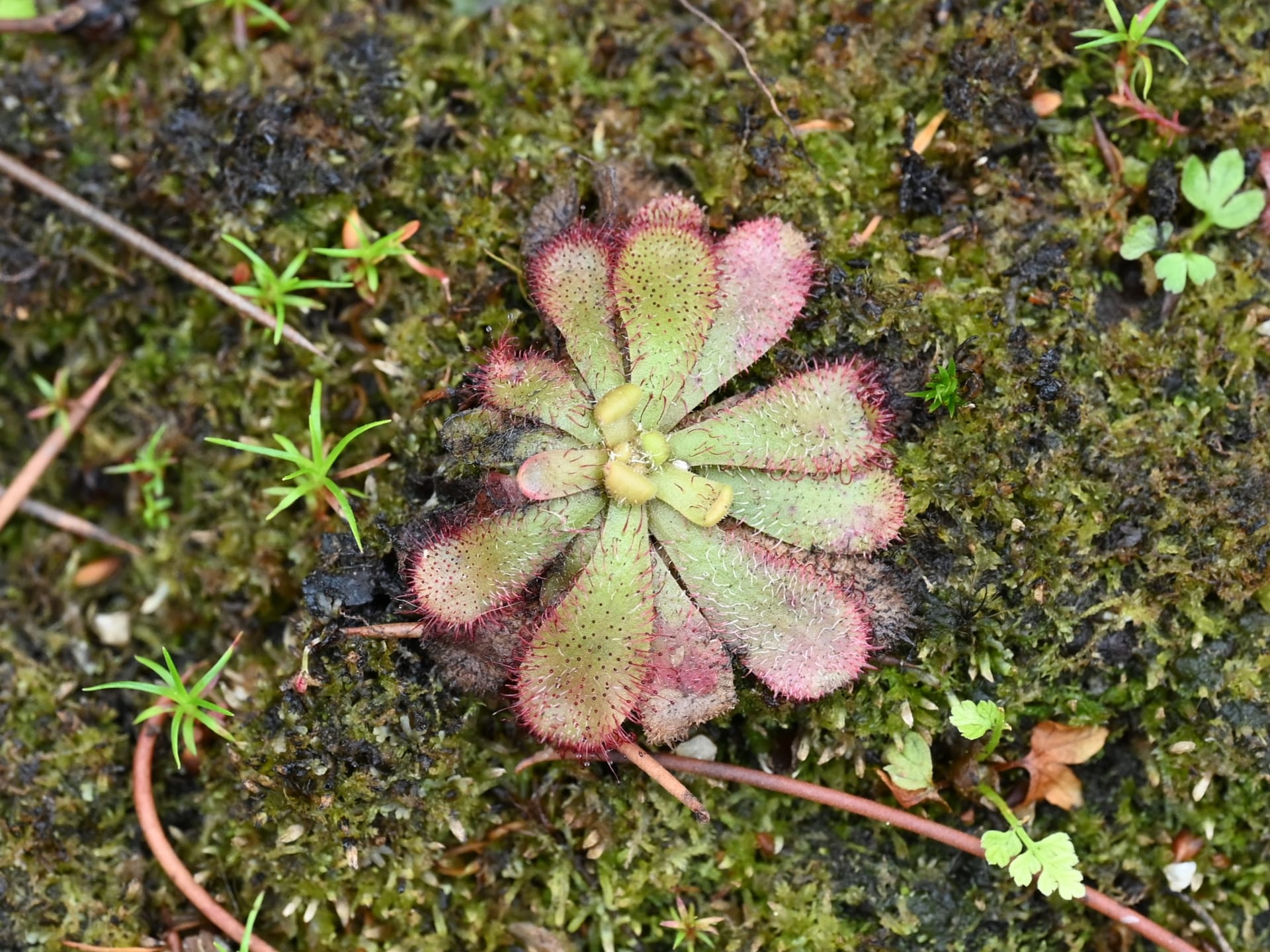
二叉毛毡苔
Drosera binata
具有独特二叉叶片的毛毡苔。体型大,观赏价值高,强健易养。
 © Krzysztof Ziarnek, Kenraiz / CC BY-SA 4.0
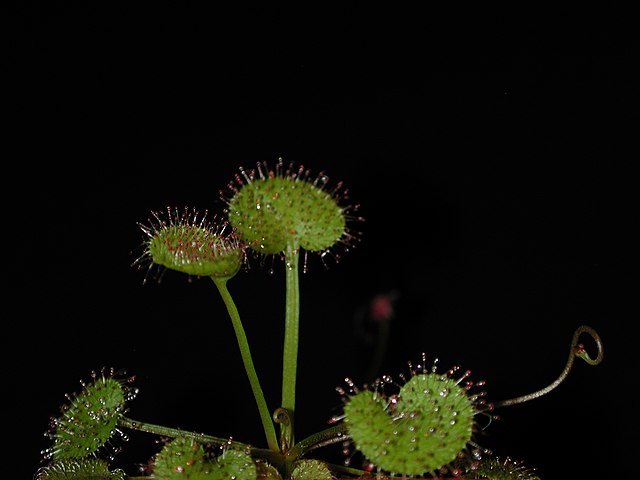
粉红毛毡苔
Drosera hamiltonii
勺形叶片展开成直径4-6厘米的莲座状叶丛,是产于西澳大利亚州西南部的毛毡苔。30-40厘米的花茎上缀有深粉红色的大花,花柱纵向合生这一独特特征使其单独分为一个组。
 © Petr Dlouhý / CC BY-SA 3.0
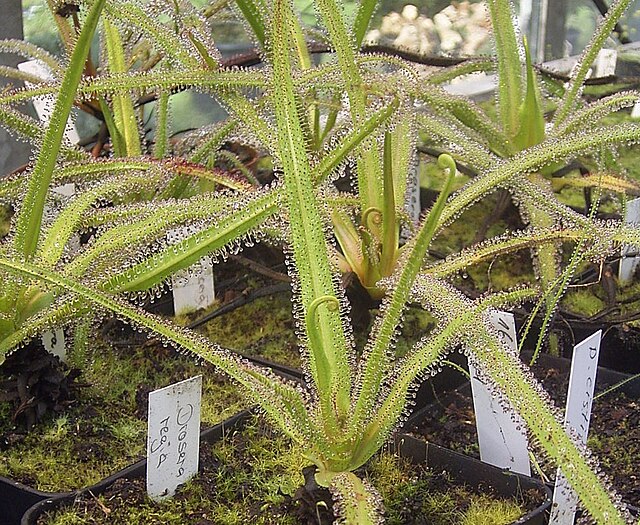
负子毛毡苔
Drosera prolifera
花茎的先端产生子株,是一种独特的毛毡苔。匍匐蔓延的姿态很有趣。
 © user:Denis Barthel / CC BY-SA 3.0
皇帝毛毡苔
Drosera regia
被称为王家毛毡苔,是最大的毛毡苔。叶片长度超过60厘米的壮观物种。
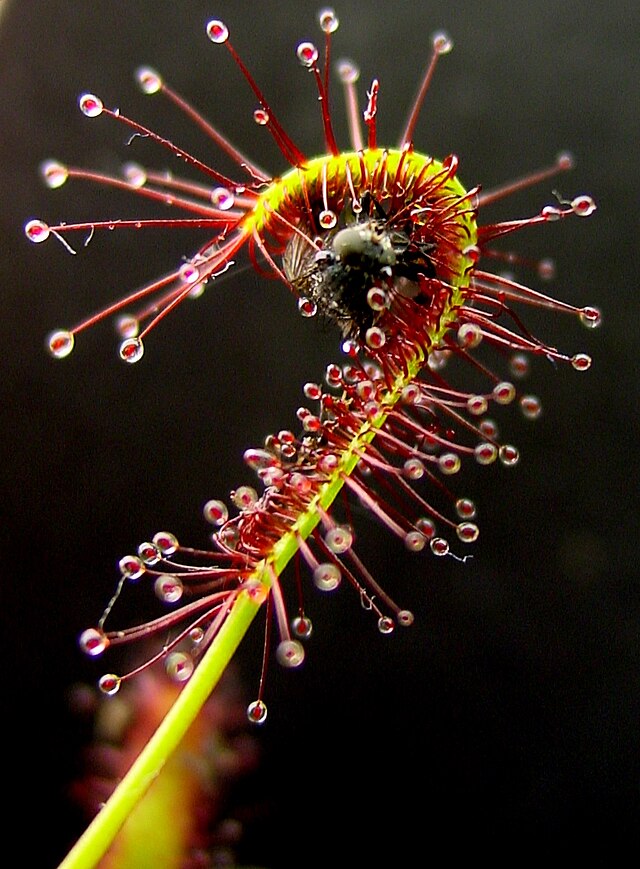 © NoahElhardt / CC BY-SA 3.0
开普毛毡苔
Drosera capensis
南非原产的强韧毛毡苔。闪闪发光粘液覆盖的长叶子很美丽,非常适合初学者。
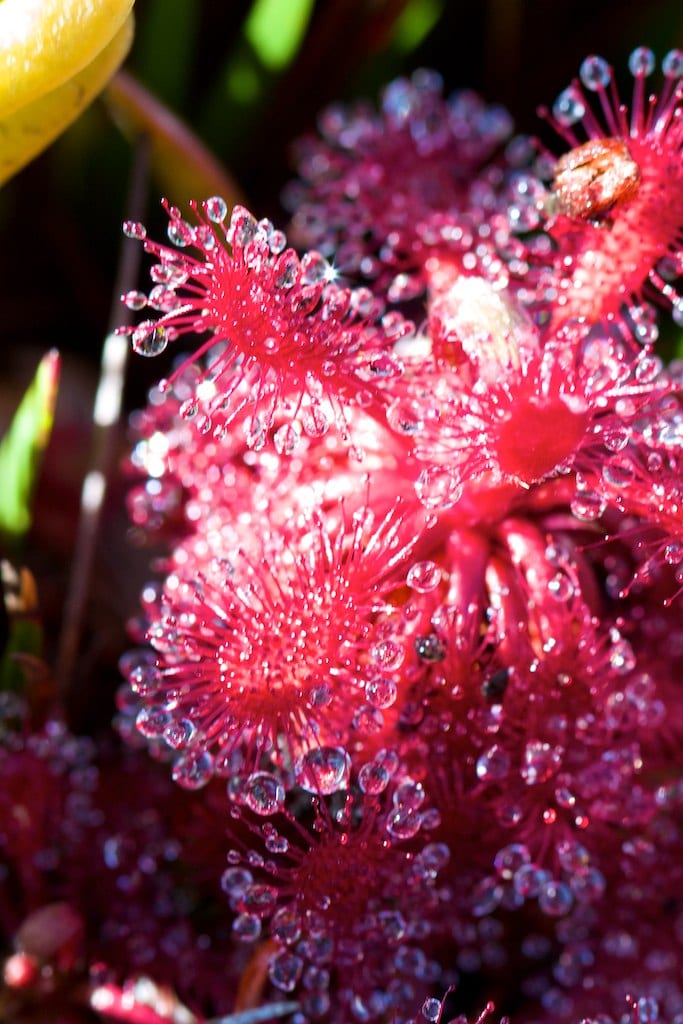 © Paulo Fassina / CC BY-SA 2.0
罗赖马毛毡苔
Drosera roraimae
基准标本采自南美圭亚纳高地的罗赖马山,是该地区的高地毛毡苔。短茎上保留多数枯叶,上部着生捕虫叶,具腺毛的花茎上开约10朵花。
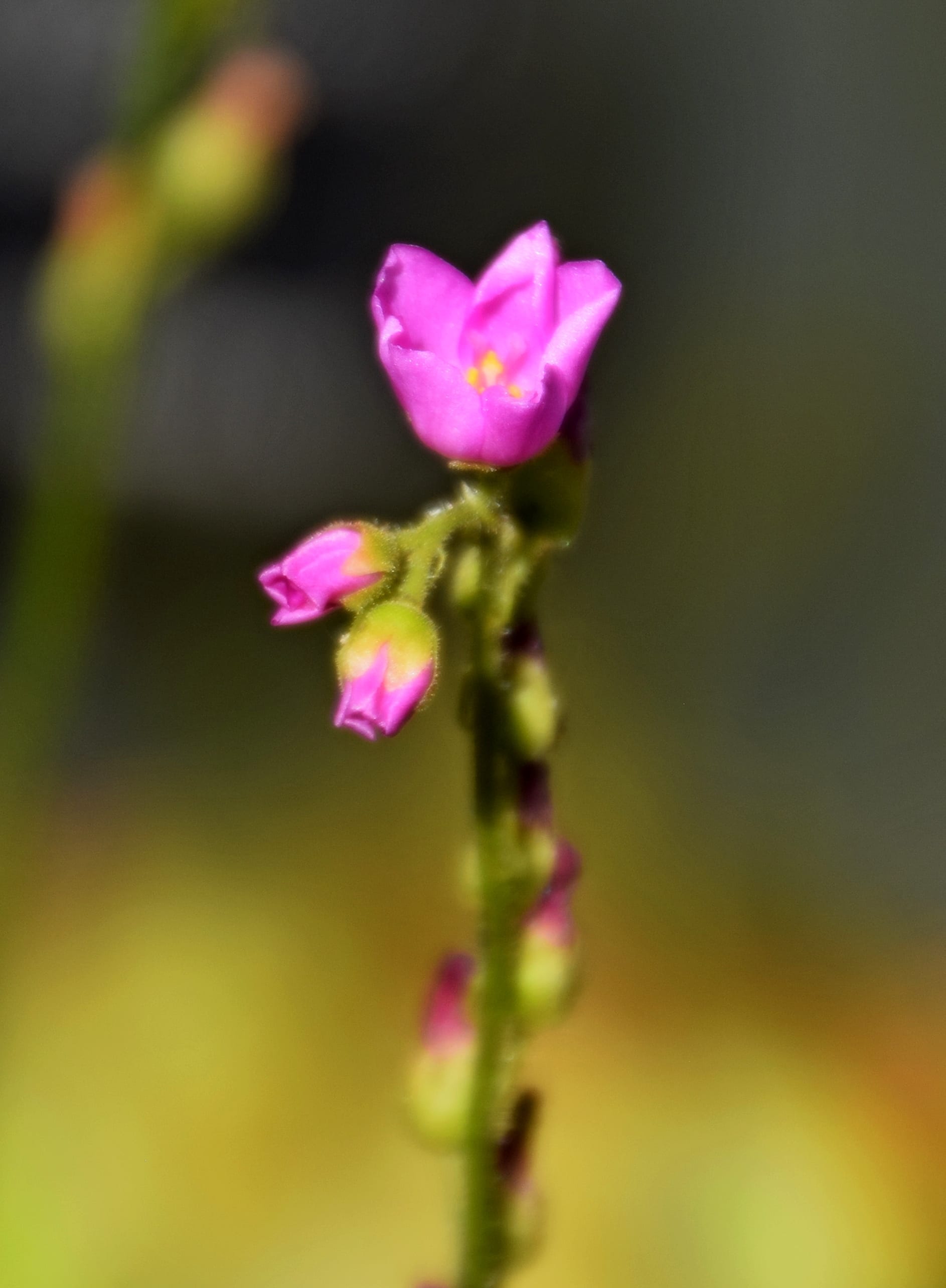 © Krzysztof Golik / CC BY-SA 4.0
马达加斯加毛毡苔
Drosera madagascariensis
一种具有明显直立茎的茎立毛毡苔,叶片呈汤匙形,交替着生于茎上,具有捕虫功能。下部被枯死的老叶覆盖,高度约25厘米。开粉红色花,是来自非洲的抗性强的种类。
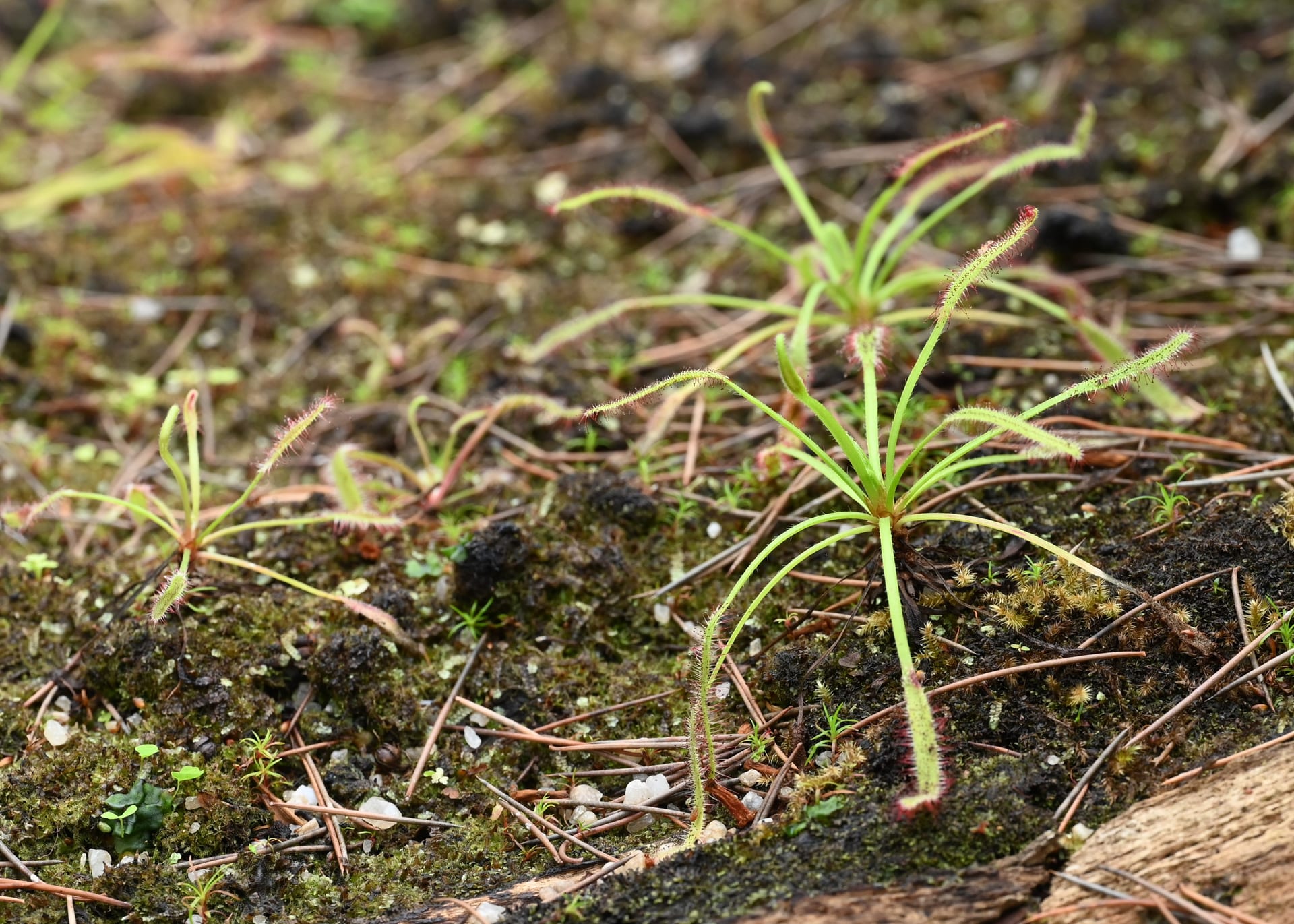 © Krzysztof Ziarnek, Kenraiz / CC BY-SA 4.0
纳塔尔毛毡苔
Drosera natalensis
一种叶片长约2厘米、呈楔形至匙形的小型莲座状毛毡苔,叶片生长在地面附近。细如铁丝的花茎可伸长至约25厘米。生长于南非和马达加斯加的湿地。
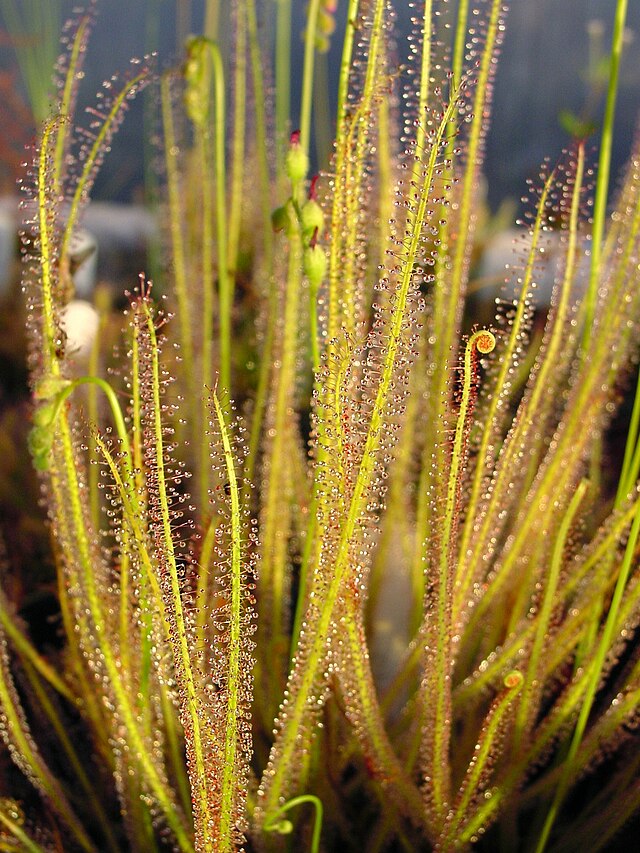 © NoahElhardt / CC BY-SA 3.0
线叶毛毡苔
Drosera filiformis
具有细长的丝状叶片的北美毛毡苔。在晨露中闪闪发光的样子非常美丽。
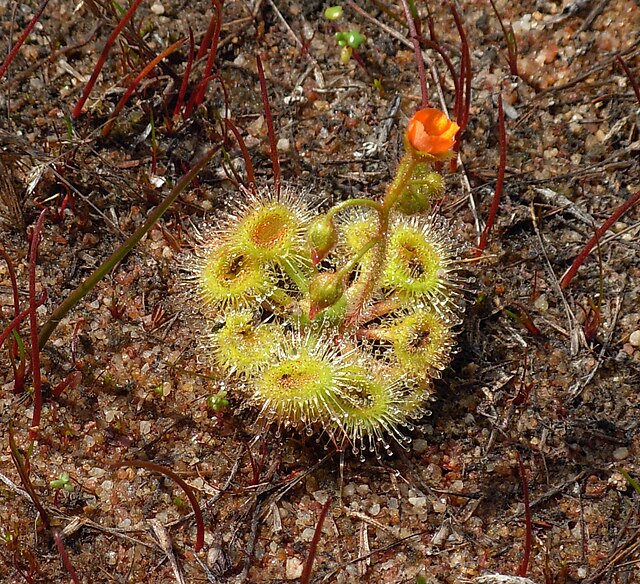 © User:JarrahTree / CC BY 2.5 au
腺毛毛毡苔
Drosera glanduligera
澳大利亚原产的一年生毛毡苔。除了具有粘性腺毛外,还配备了弹簧式触角以瞬间捕获猎物。以昆虫为食(自动捕获)。
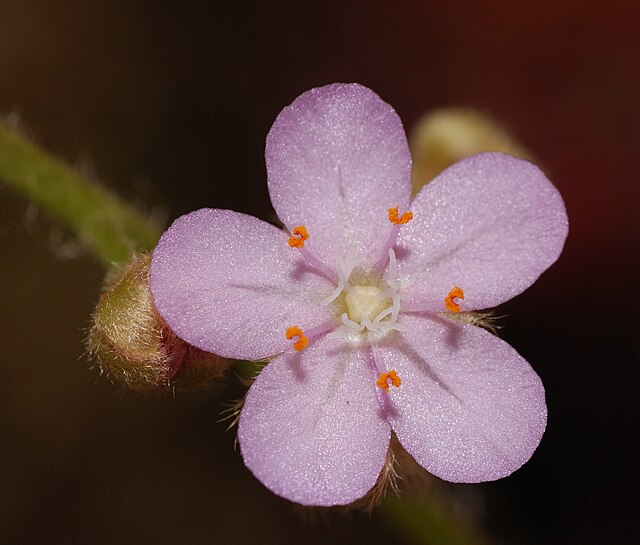 © Michal Rubeš / CC BY 3.0 cz
长柄毛毡苔
Drosera petiolaris
原产于澳大利亚北部的热带毛毡苔。在长柄末端展开呈莲座状的捕虫叶。
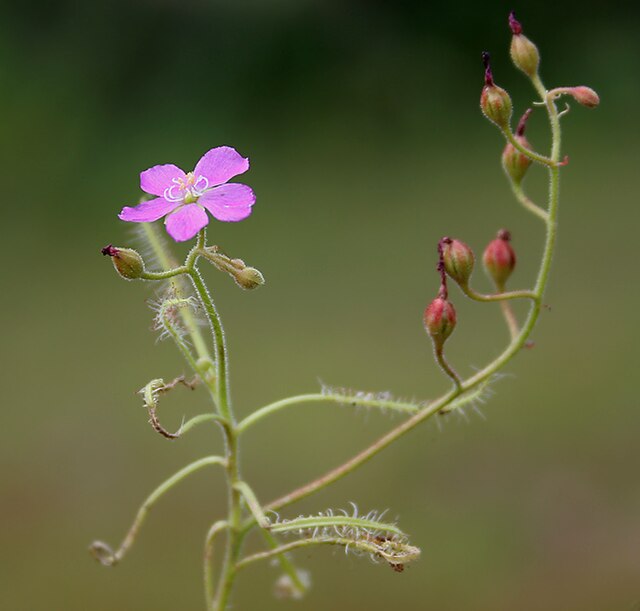 © J.M.Garg / CC BY-SA 4.0
长叶毛毡苔
Drosera indica
细长茎直立的长叶毛毡苔。在日本也自生,但个体数量已大幅减少。以昆虫为食(自动捕食)。
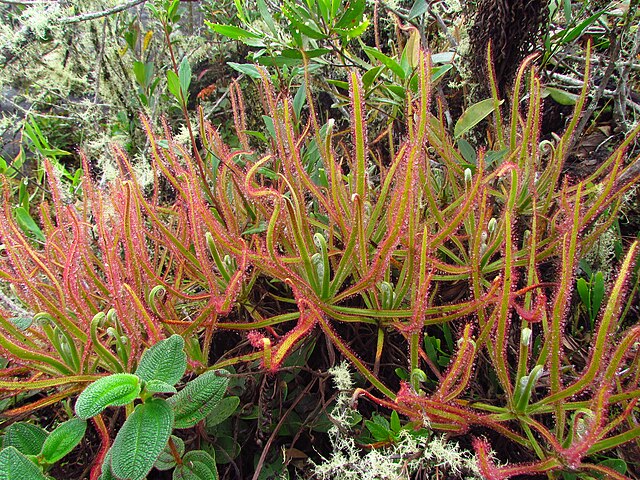 © Paulo Gonella / CC BY-SA 3.0
壮大毛毡苔
Drosera magnifica
2015年发现的世界最大级毛毡苔。仅自生于巴西一座山上的超稀有物种。
食虫植物常见问题
- 食虫植物的市场价格大概是多少?
- 捕蝇草500〜2,000円,猪笼草1,000〜10,000円,稀有的高地性猪笼草数万円以上,因种类和尺寸而有很大差异。
- 初学者也能养食肉植物吗?
- 捕蝇草、茅膏菜和瓶子草相对容易种植,也推荐给初学者。通过腰水管理保持湿度,放在阳光充足的地方,就能健康地生长。
- 食虫植物的寿命有多长?
- 捕蝇草如果管理得当可以活10年以上,瓶子草同样长寿。猪笼草如果环境合适可以生长几十年,植株会越来越大。
- 购买食肉植物时需要注意什么?
- 检查叶子和捕虫器官是否健康,确认根部是否腐烂。猪笼草最好选择带有捕虫袋的个体,这样更放心。购买后避免急剧的环境变化,让它逐渐适应。
- 食虫植物需要喂虫子吗?
- 不喂虫子也能通过光合作用充分生长。虫子是辅助营养来源,无需强行喂食。如果在户外栽培,植物会自然捕捉昆虫,您可以享受观察的乐趣。