Scale Insects
🔎 按症状查找
关于这种疾病
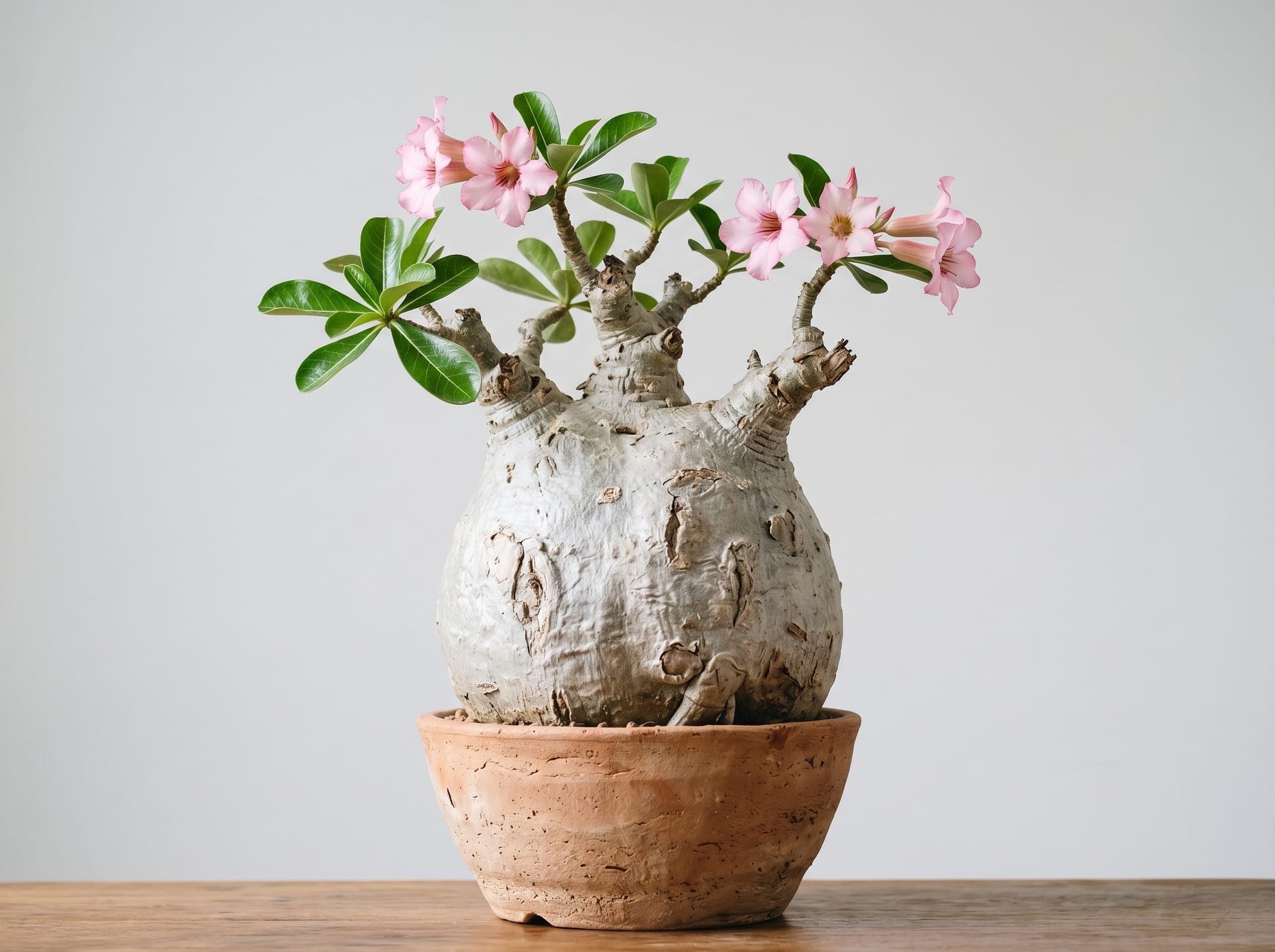
Various scale insects (mealybugs, wax scales, and others) parasitize the stems, caudex crevices, and leaf axils of caudex plants, feeding on sap and causing progressive plant decline. When detected late, they can multiply rapidly and may be accompanied by sooty mold.
主要症状
- White cottony masses or hard brown shell-like coverings are found at stem bases and in caudex crevices
- Tissue around the infested areas turns yellow and the plant's overall vigor declines
- Leaves and stems become blackened by sooty mold developing on honeydew excretions
- If left untreated, new growth and growing points die back
主要原因
- Deteriorating conditions from poor air circulation and overcrowded placement
- Dry indoor management (especially in heated winter environments)
- Introduction via newly acquired plants that were already infested
- Delayed detection due to insufficient regular observation
预防(栽培环境与日常管理)
Regularly and carefully inspect all parts of the plant — particularly the base of stems, crevices of the caudex, and leaf axils — for early detection. Always quarantine newly acquired plants and verify they are free of scale insects before placing them with existing plants. Ensure good air circulation and avoid overcrowding.
相关图鉴
→ 查看该动物的品种图鉴就医建议
建议几天内处理专卖店·园艺可做的处理?
Consulting a specialty nursery or experienced caudex grower is effective for evaluating the extent of scale infestation and identifying appropriate management approaches, including situations where a newly acquired plant may be the source of infection.
相关专栏
- Caudex Plant Flowering Timing and Seasonal Signs | Complete Guide to Management Timing for Full Bloom
- Complete Guide to Growing Cyphostemma | The Charm of Individual Caudices, a Grape Family Caudiciform Plant
- Named Varieties and Selected Plants of Caudex Plants | Understanding Selection by Growers and the Reasons Behind Price Differences
- Adenium Variety Popularity Ranking TOP 8 | How to Choose Desert Roses: Arabicum, Obesum, Socotranum, and More