跳轉到主要內容

Cold Damage

🔎 依症狀查找
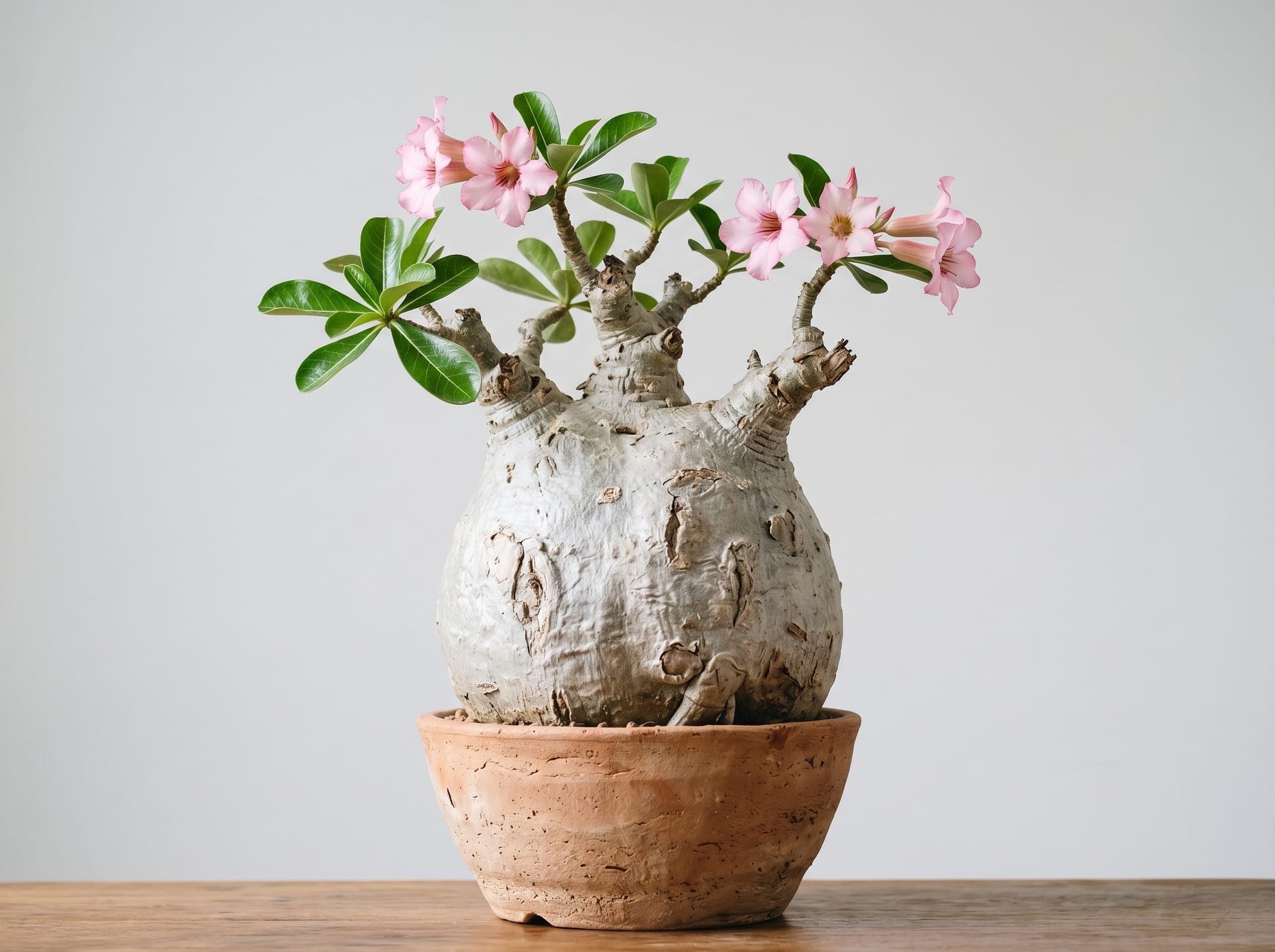
Caudex Plants

關於這種疾病

Cold damage occurs when caudex plants are exposed to temperatures below their minimum tolerance or to frost, causing frostbite-like injury to the tissue. Normal leaf drop during dormancy is a physiological process, and accurately distinguishing it from cold-induced tissue damage is important for determining the appropriate response.

主要症狀

  • Leaves become soft and translucent, turn black, and wilt as if rotting
  • The surface of the caudex or stem discolors and the affected area softens or becomes sunken
  • Unlike natural dormancy leaf drop, leaves deteriorate rapidly in color and form
  • In severe cases, part of the stem turns brown, dies, and collapses inward

主要原因

  • Keeping the plant in conditions below its minimum tolerable temperature (generally 5–15°C depending on species)
  • Direct tissue frostbite from frost or near-freezing temperatures
  • Prolonged outdoor management into the autumn period of rapid temperature decline
  • Sudden nighttime temperature drops caused by leaving windows open for ventilation in winter

預防(栽培環境與日常管理)

Research the cold tolerance of each species in advance and bring plants indoors with ample time before autumn temperatures drop. During overwintering, maintain the minimum required temperature and prevent direct exposure to frost or condensation. Do not leave windows open for extended periods for ventilation in winter, as this can cause rapid nighttime temperature drops. After leaf drop, significantly reduce watering and periodically check that the caudex remains firm and healthy.

相關圖鑑

查看該動物的品種圖鑑

就醫建議

建議幾天內處理

專賣店·園藝可做的處理?

Consulting a specialty nursery or experienced caudex grower can provide guidance on distinguishing cold damage from normal dormancy, assessing the extent of tissue injury, and obtaining practical advice on improving overwintering management. Species-specific information on cold tolerance is also readily available from these specialists.

相關專欄

該植物的其他問題

其他植物的相同問題