食虫植物图鉴
汇总了受欢迎的食虫植物的养殖方法、捕虫机制和栽培技巧的品种图鉴。
精选食虫植物
显示140个物种中的55个(25–48)
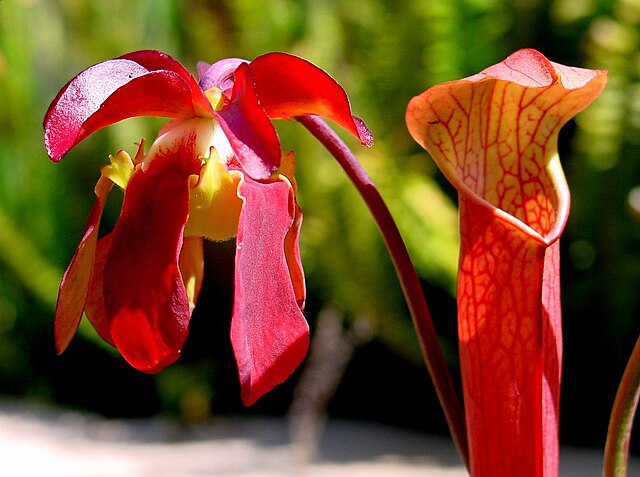 © No machine-readable author provided. NoahElhardt assumed (based on copyright claims). / CC BY-SA 3.0
红瓶子草
Sarracenia rubra
红色的小型瓶子草。用甜香气吸引昆虫。变种众多。
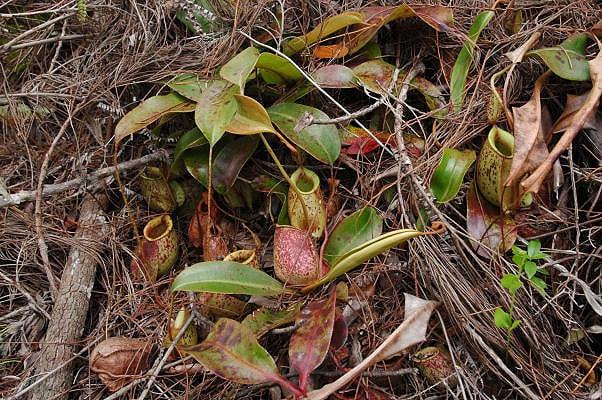 © en:User:Rbrtjong / Public domain
胡克猪笼草
Nepenthes × hookeriana
N. ampullaria 和 N. rafflesiana 的自然杂交种,在婆罗洲和马来半岛等低地地区相对常见的猪笼草。英文名为 Hooker's pitcher-plant。在国内作为吊盆栽培的标准种流通。
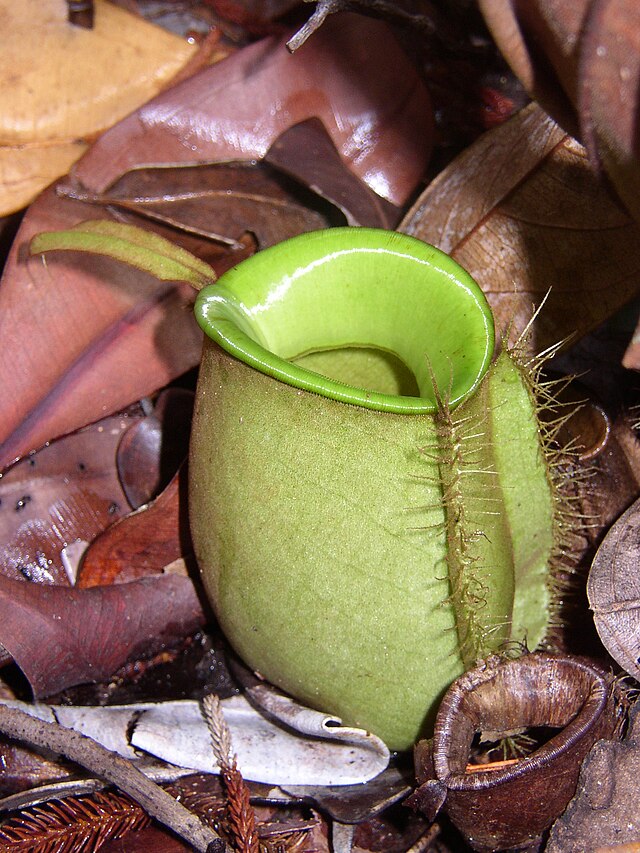 © No machine-readable author provided. NepGrower~commonswiki assumed (based on copyright claims). / CC BY-SA 2.5
壶状猪笼草
Nepenthes ampullaria
在地面密集生长瓶子的独特猪笼草。分解落叶并吸收其中的营养。寿命超过10年。成体茎蔓长20~80厘米。
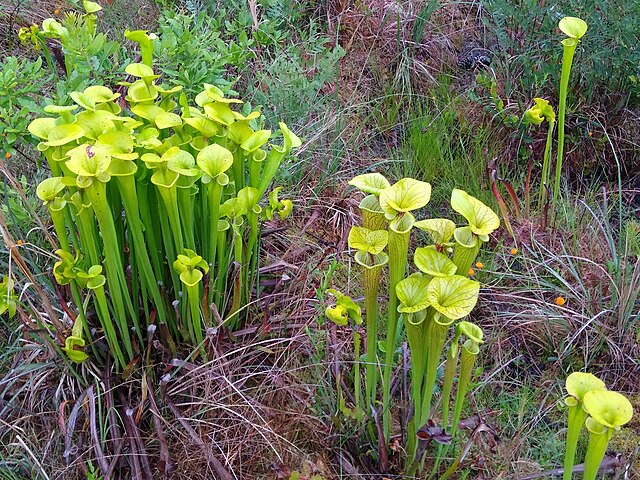 © Mx. Granger / CC0
黄瓶子草
Sarracenia flava
黄绿色长筒状的瓶子草。是最大的种类之一,可超过1米。寿命超过10年。
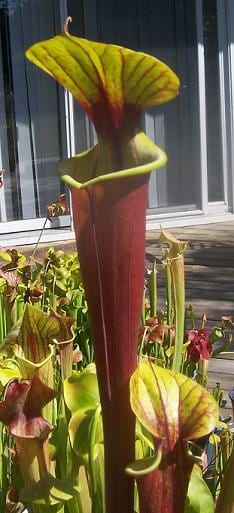 © Aaron Carlson from Menomonie, WI, USA / CC BY-SA 2.0
黄瓶子草·红胴变种
Sarracenia flava var. rubricorpora
黄瓶子草(S. flava)的一个变种,袋的筒为红色,盖上具脉纹且呈黄色至绿色。红色的胴体与明亮的盖形成对比,这是其特征。仅自生于佛罗里达州西部的罕见变种。
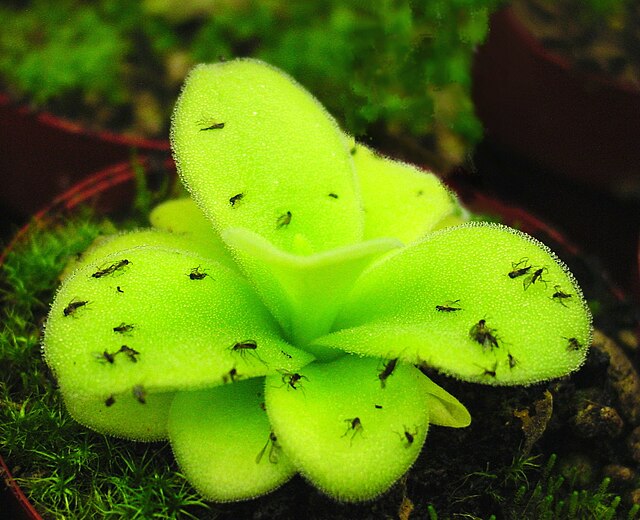 © No machine-readable author provided. NoahElhardt assumed (based on copyright claims). / CC BY-SA 3.0
巨型捕虫堇
Pinguicula gigantea
世界上最大的捕虫堇。形成直径30cm以上的莲座形,捕获大量昆虫。成体尺寸为15~30cm。
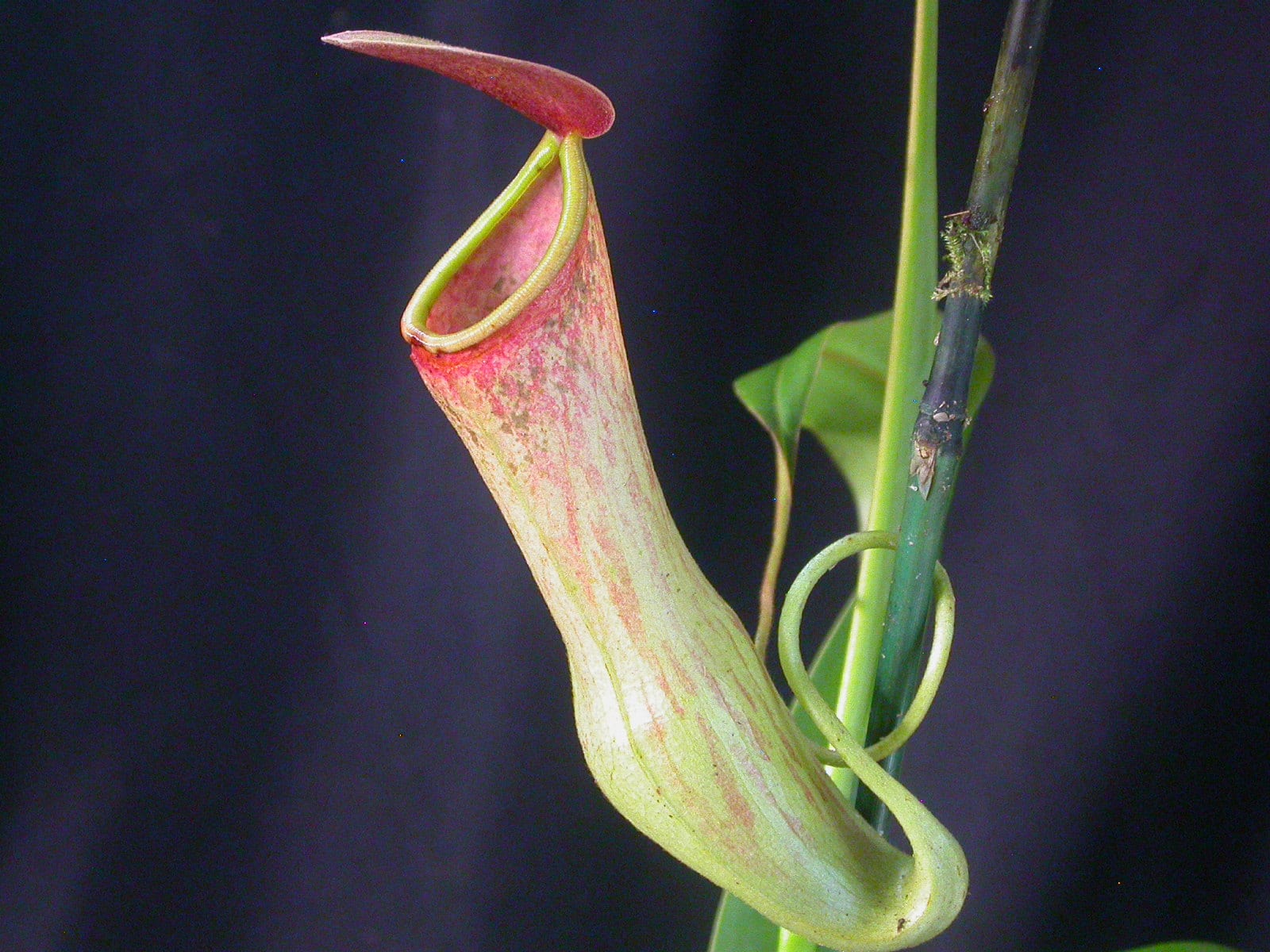 © JeremiahsCPs (English Wikipedia) / Public domain
喀西亚猪笼草
Nepenthes khasiana
印度唯一的猪笼草。绿地上有红褐色条纹的细长捕虫袋,据认为其蓝色荧光可吸引昆虫。属《濒危野生动植物种国际贸易公约》附录I物种,国内转让需持有登记证。
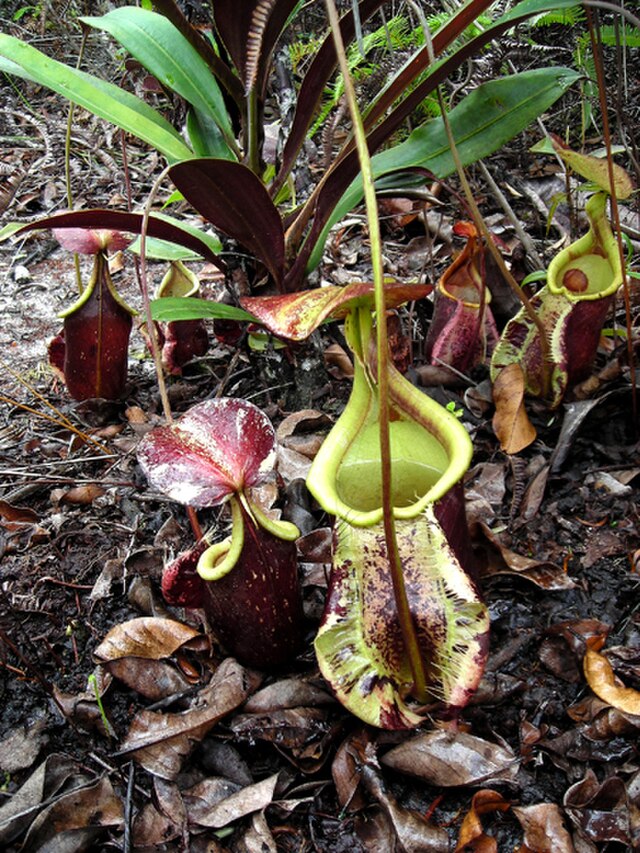 © en:User:Rbrtjong / Public domain
莱佛士猪笼草
Nepenthes rafflesiana
广泛分布于东南亚的大型猪笼草。巨大的捕虫笼和丰富多彩的色彩是其魅力所在。寿命超过10年。成体茎蔓长度50〜300厘米。
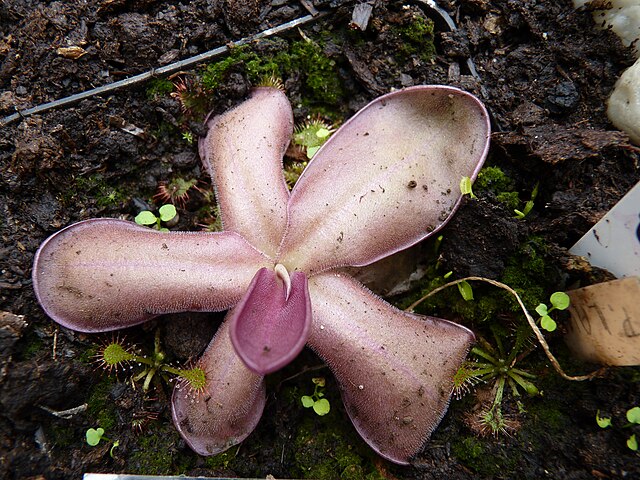 © Michal Klajban / CC BY-SA 3.0
劳氏捕虫堇
Pinguicula laueana
以鲜艳红花为特征的墨西哥捕虫堇。花朵美丽度最高。
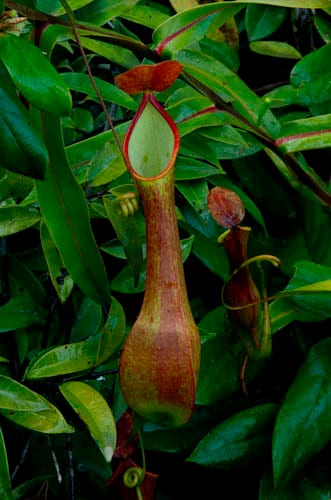 © en:User:Rbrtjong / Public domain
两眼猪笼草
Nepenthes reinwardtiana
分布于婆罗洲和苏门答腊的猪笼草。捕虫袋内壁的最大特征是出现两个被称为"眼斑"的斑点,色彩变异广泛,从绿色到深红色。从低地到海拔2200米都能生长的罕见种类。
 © No machine-readable author provided. NoahElhardt assumed (based on copyright claims). / CC BY-SA 3.0
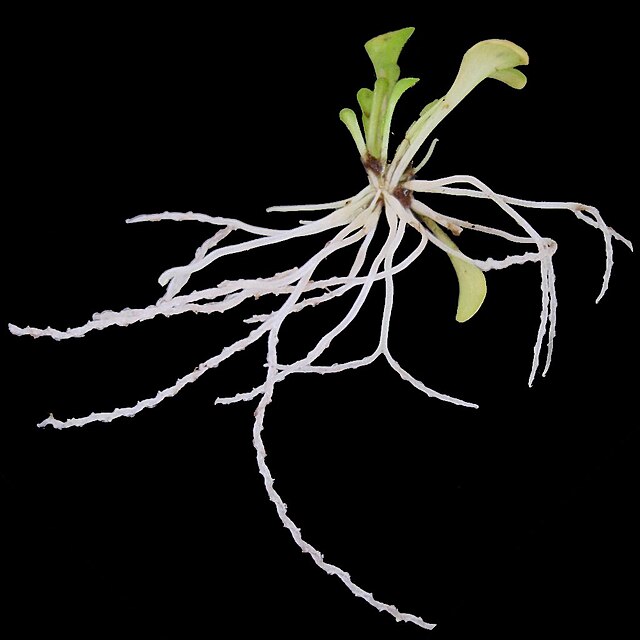
螺旋狸藻
Genlisea
地下具有Y字形陷阱的食虫植物。地上部开出可爱的小花,但地下部捕获昆虫。
 © Scott Zona / CC BY 2.0
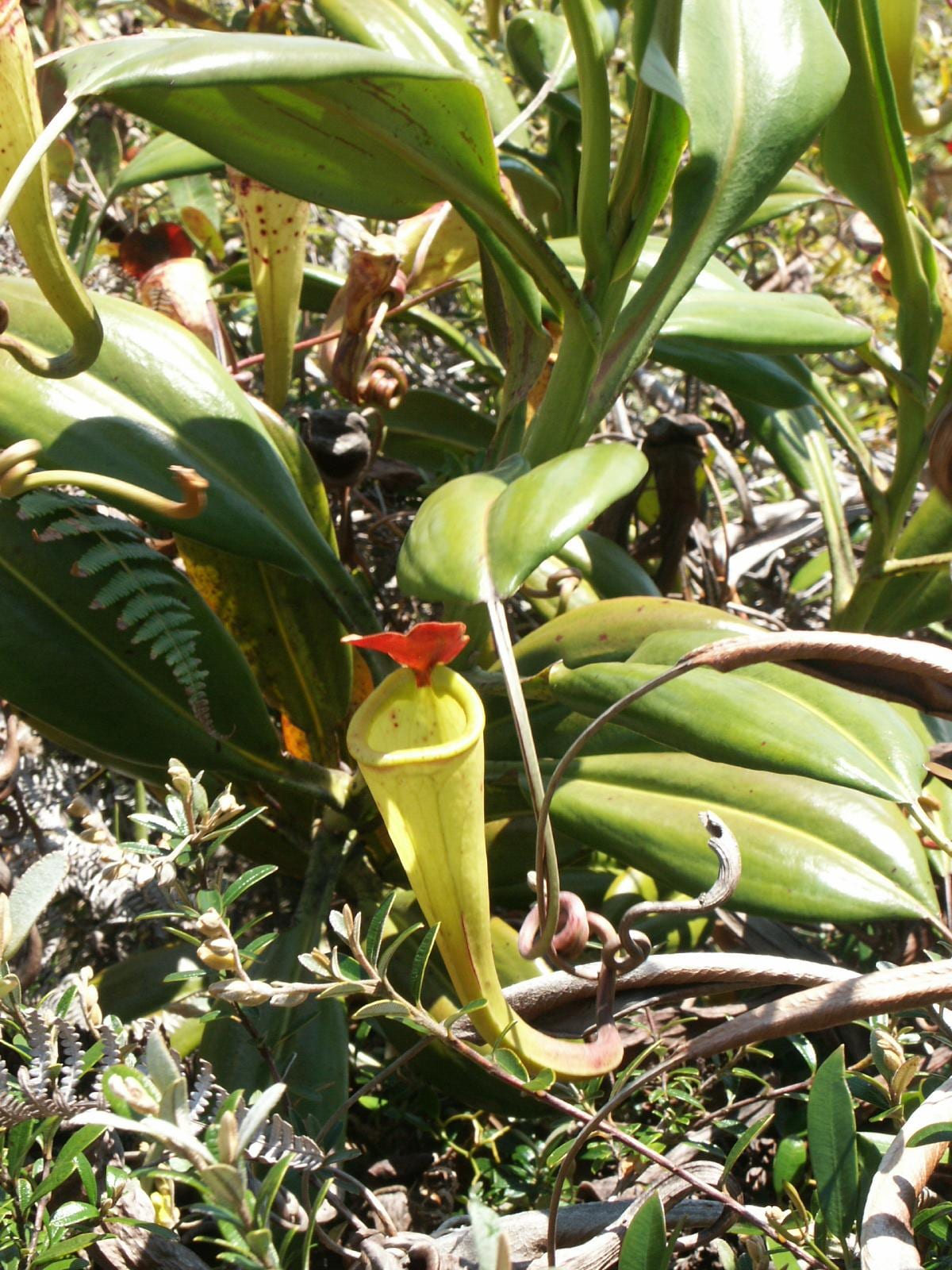
马达加斯加猪笼草
Nepenthes madagascariensis
生长在马达加斯加岛东岸低地湿地的猪笼草。细长的漏斗形黄色上部袋居多,宽阔的边缘和几乎圆形的盖为其特征。17世纪被记录,是该属中首次被学术认识的种类。
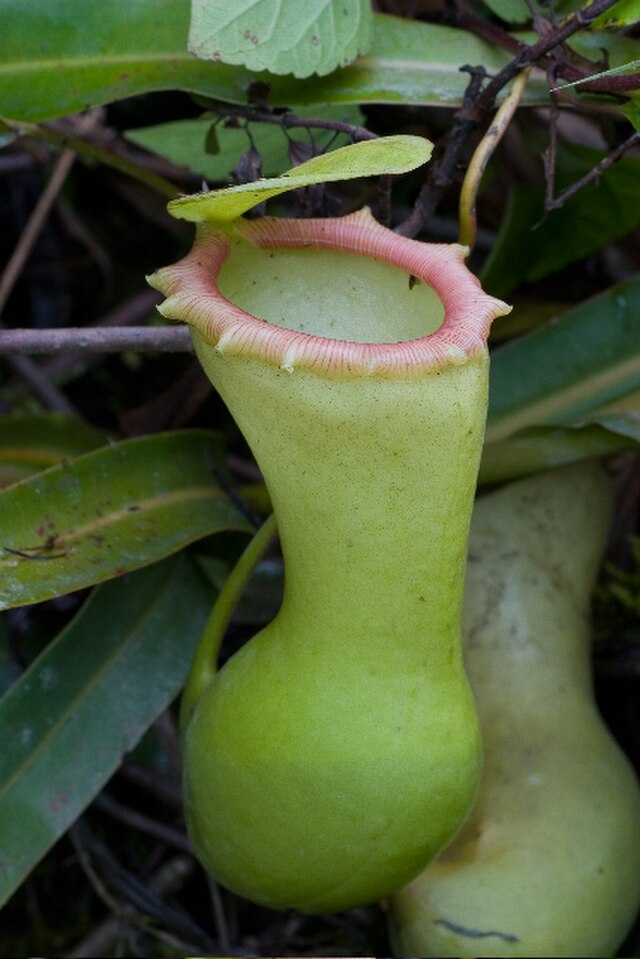 © Original uploader was Attenboroughii at en.wikipedia / CC BY 3.0
囊状猪笼草
Nepenthes ventricosa
以圆润可爱的瓶为特征的猪笼草。虽然是高山种,但相对容易栽培。寿命超过10年。
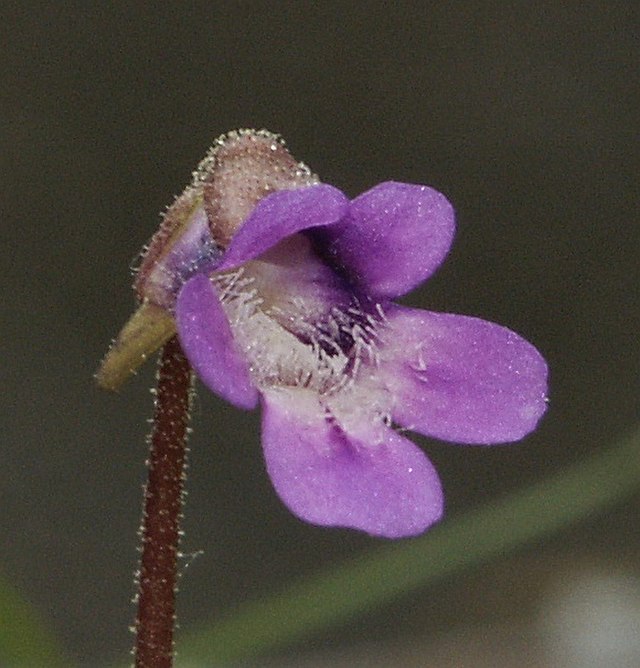
普通捕虫堇
Pinguicula vulgaris
广泛分布于北半球的捕虫堇。在日本也有自生,开紫色花朵的原生种。
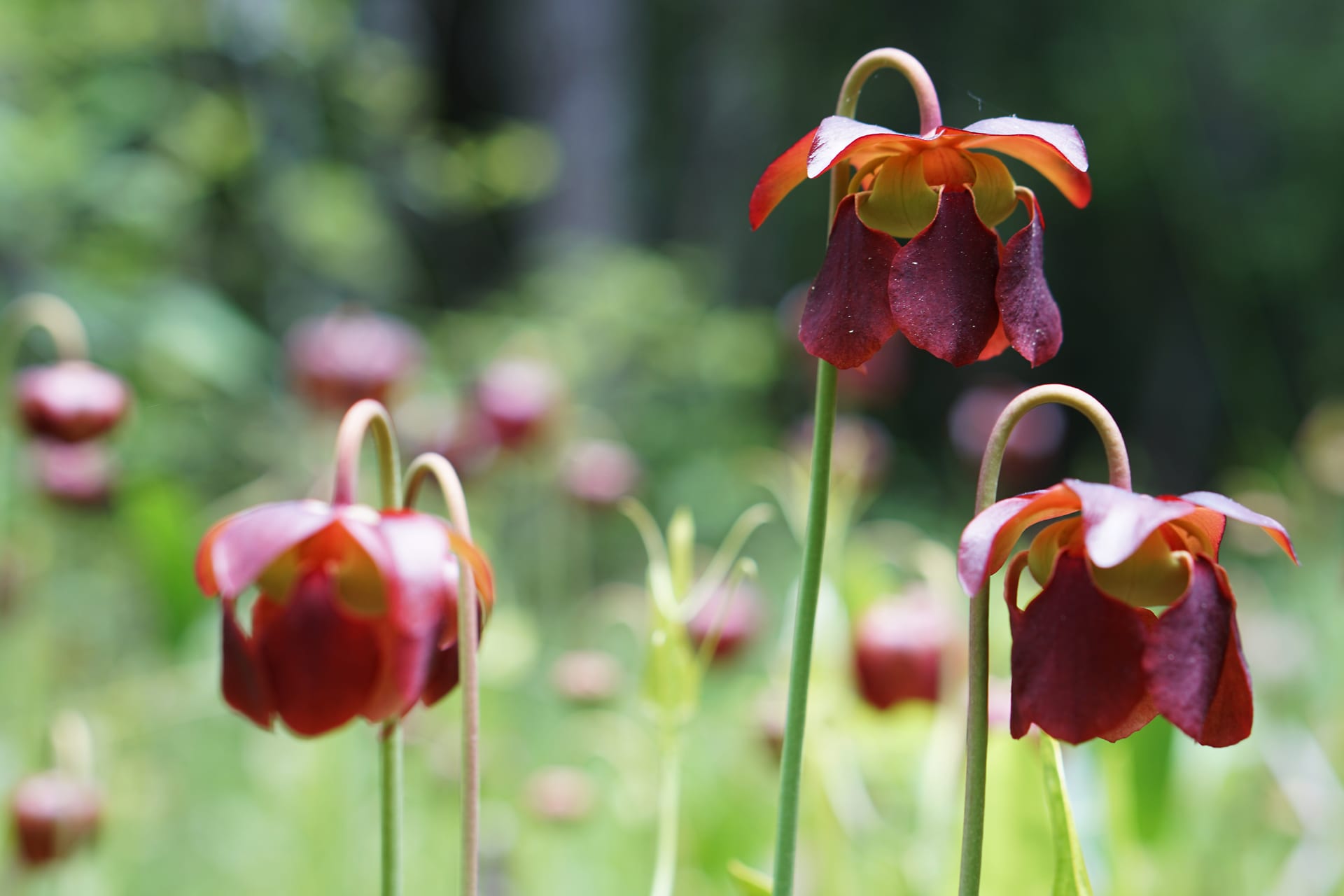 © U.S. Fish and Wildlife Service Southeast Region / Public domain
琼斯红瓶子草
Sarracenia rubra ssp. jonesii
仅存于美国阿巴拉契亚山地湿地的瓶子草。具有比S. rubra更大的绿色细筒状捕虫叶,叶上有红色脉纹,开放有树莓香气的红花。华盛顿条约附录I的亚种。
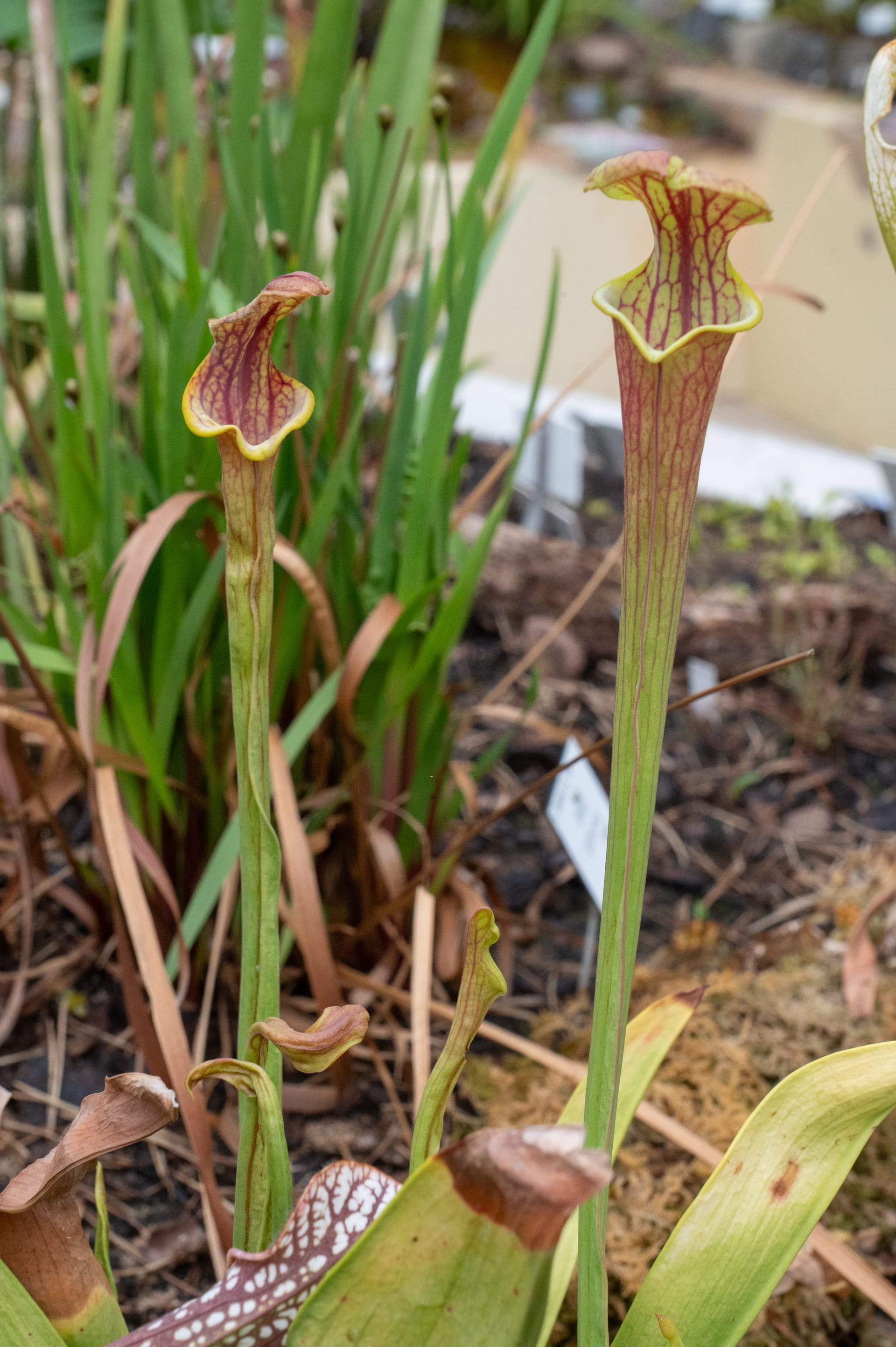 © Mickaël Schauli / CC BY-SA 4.0
深紫黄瓶子草
Sarracenia flava var. atropurpurea
黄瓶子草(S. flava)的变种,从袋的筒部到盖子整体呈现深红紫色。盖子自打开时起就是红色的,通常比筒部的颜色更深。发色需要强烈的光照。
 © No machine-readable author provided. Denis Barthel assumed (based on copyright claims). / CC BY-SA 3.0
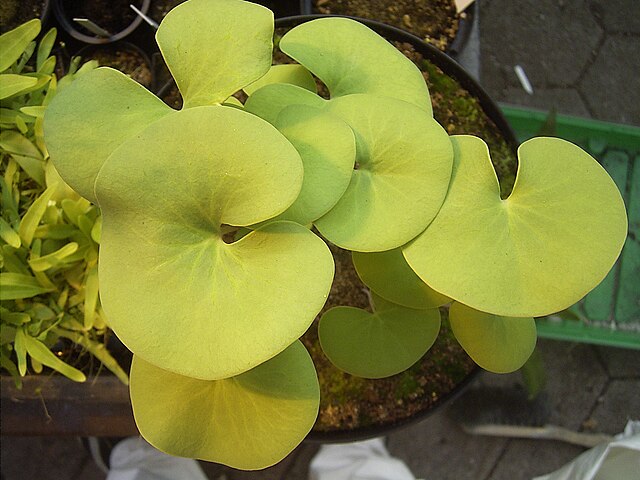
肾叶狸藻
Utricularia reniformis
具有大型肾形叶片和紫色花朵的美丽南美着生狸藻。在生态缸中表现出众。
 © Petr Dlouhý / CC BY-SA 3.0
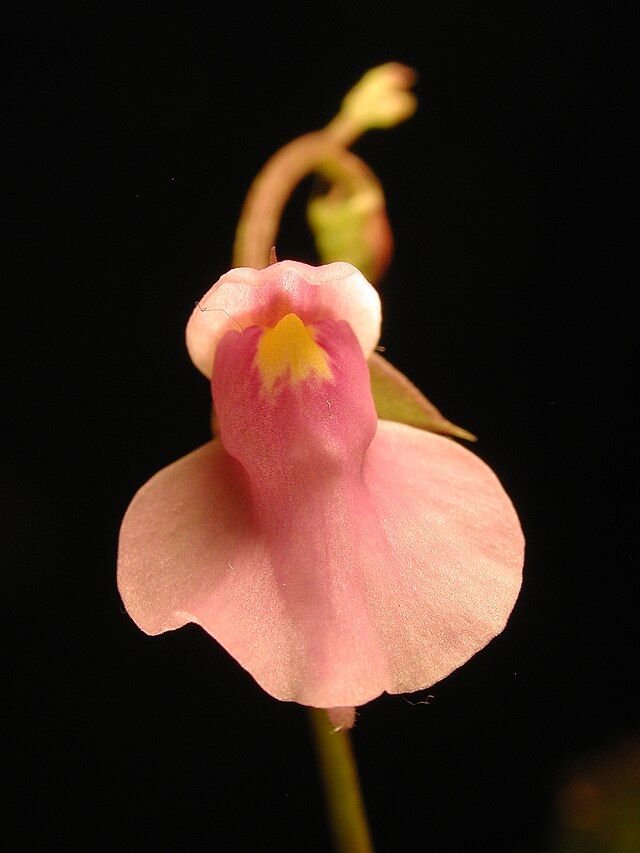
双裂苞狸藻
Utricularia calycifida
原产于南美的附生狸藻。大型紫花美丽,最适合玻璃缸栽培。
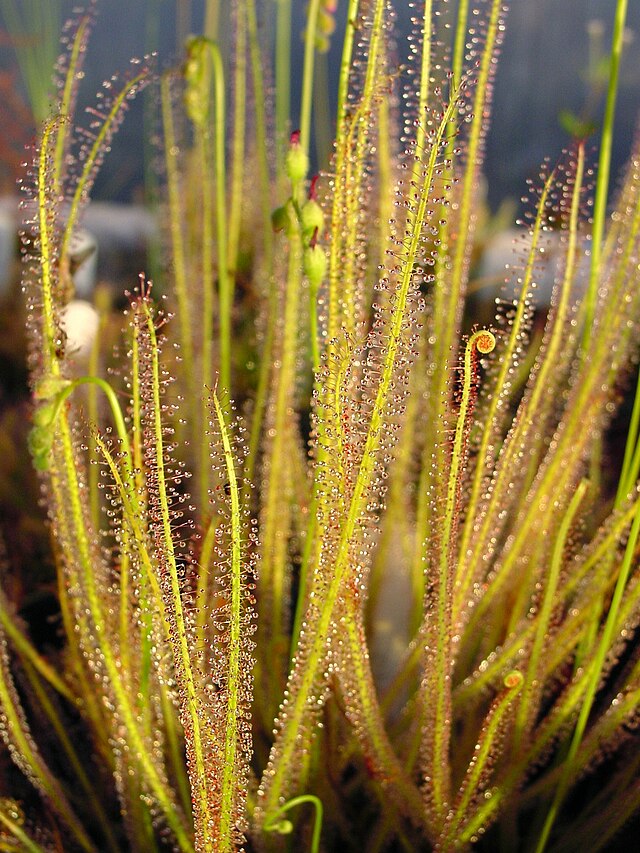 © NoahElhardt / CC BY-SA 3.0
线叶毛毡苔
Drosera filiformis
具有细长的丝状叶片的北美毛毡苔。在晨露中闪闪发光的样子非常美丽。
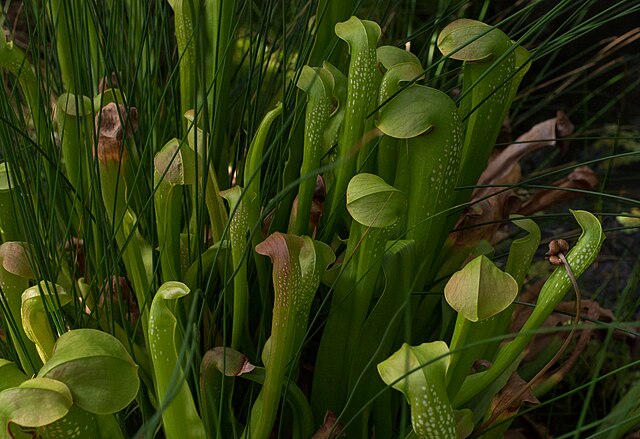 © Rhododendrites / CC BY-SA 4.0
小瓶子草
Sarracenia minor
具有盖部透明窗口的小瓶子草。昆虫试图向光逃逸时会坠入的捕虫机制。
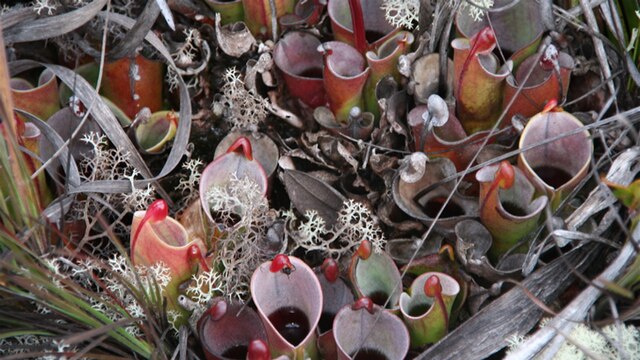 © Christoph Kühnhanss, Karin Greischberger, CH-3011 BERN / Public domain
小株卷瓶子草
Heliamphora minor
最小的赫利安弗拉。小巧可爱,最适合赫利安弗拉初学者。
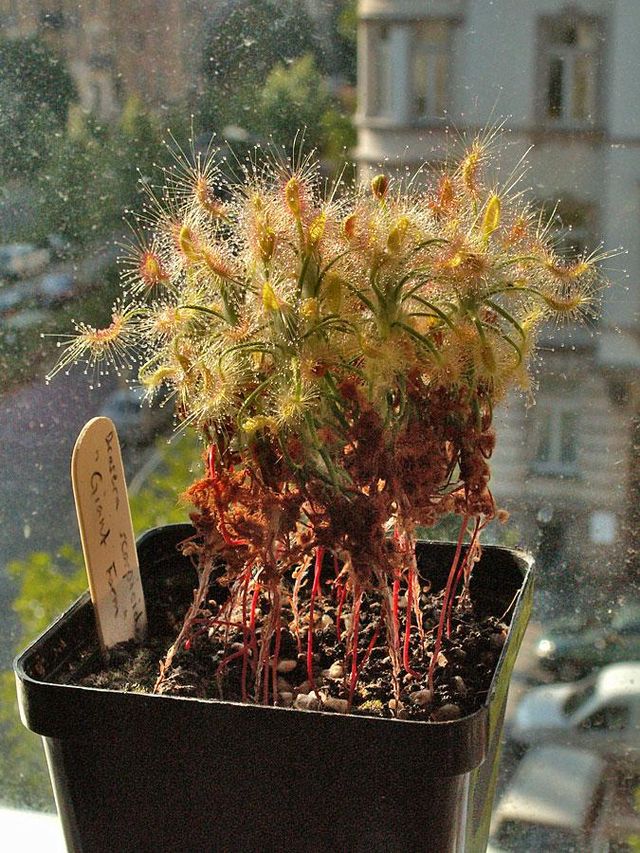 © Matthias Jauernig / CC BY-SA 3.0
蝎尾茅膏菜
Drosera scorpioides
通过珠芽繁殖的稀有澳洲毛膏菜。花茎形如蝎尾。
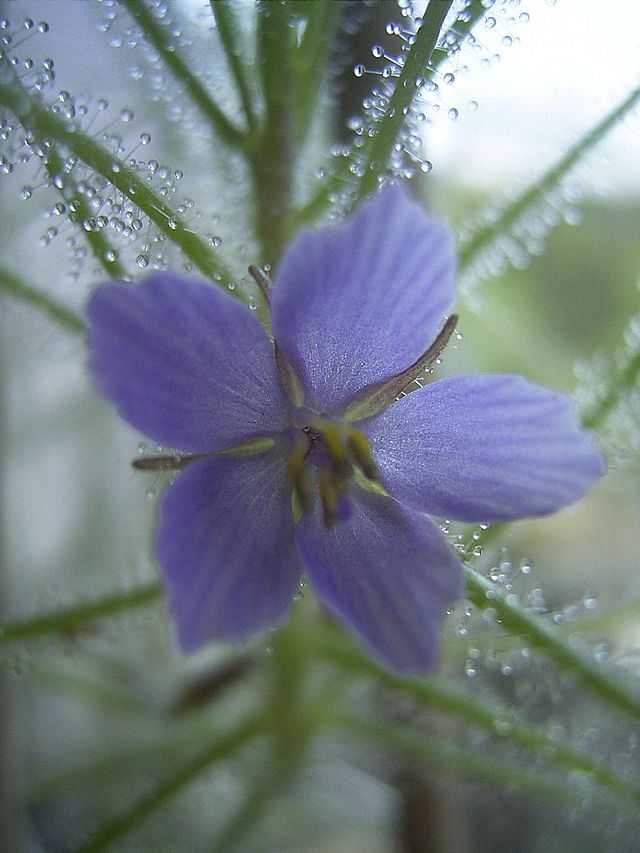 © No machine-readable author provided. Denis Barthel assumed (based on copyright claims). / CC BY-SA 3.0
亚麻花腺毛草
Byblis liniflora
具有虹色闪闪发光粘液叶片的美丽澳大利亚食肉植物。被称为彩虹植物。
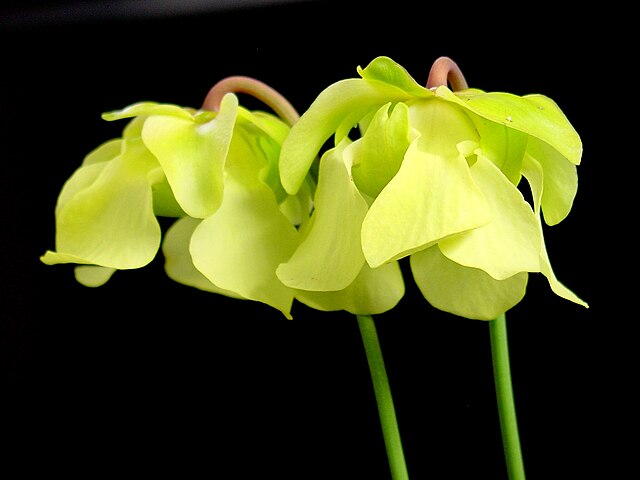 © No machine-readable author provided. NoahElhardt assumed (based on copyright claims). / CC BY 2.5
翼瓶子草
Sarracenia alata
具有翼状筒的瓶子草。以黄绿色精致的外观和甘甜香气的盖子为特征。
食虫植物常见问题
- 食虫植物的市场价格大概是多少?
- 捕蝇草500〜2,000円,猪笼草1,000〜10,000円,稀有的高地性猪笼草数万円以上,因种类和尺寸而有很大差异。
- 初学者也能养食肉植物吗?
- 捕蝇草、茅膏菜和瓶子草相对容易种植,也推荐给初学者。通过腰水管理保持湿度,放在阳光充足的地方,就能健康地生长。
- 食虫植物的寿命有多长?
- 捕蝇草如果管理得当可以活10年以上,瓶子草同样长寿。猪笼草如果环境合适可以生长几十年,植株会越来越大。
- 购买食肉植物时需要注意什么?
- 检查叶子和捕虫器官是否健康,确认根部是否腐烂。猪笼草最好选择带有捕虫袋的个体,这样更放心。购买后避免急剧的环境变化,让它逐渐适应。
- 食虫植物需要喂虫子吗?
- 不喂虫子也能通过光合作用充分生长。虫子是辅助营养来源,无需强行喂食。如果在户外栽培,植物会自然捕捉昆虫,您可以享受观察的乐趣。