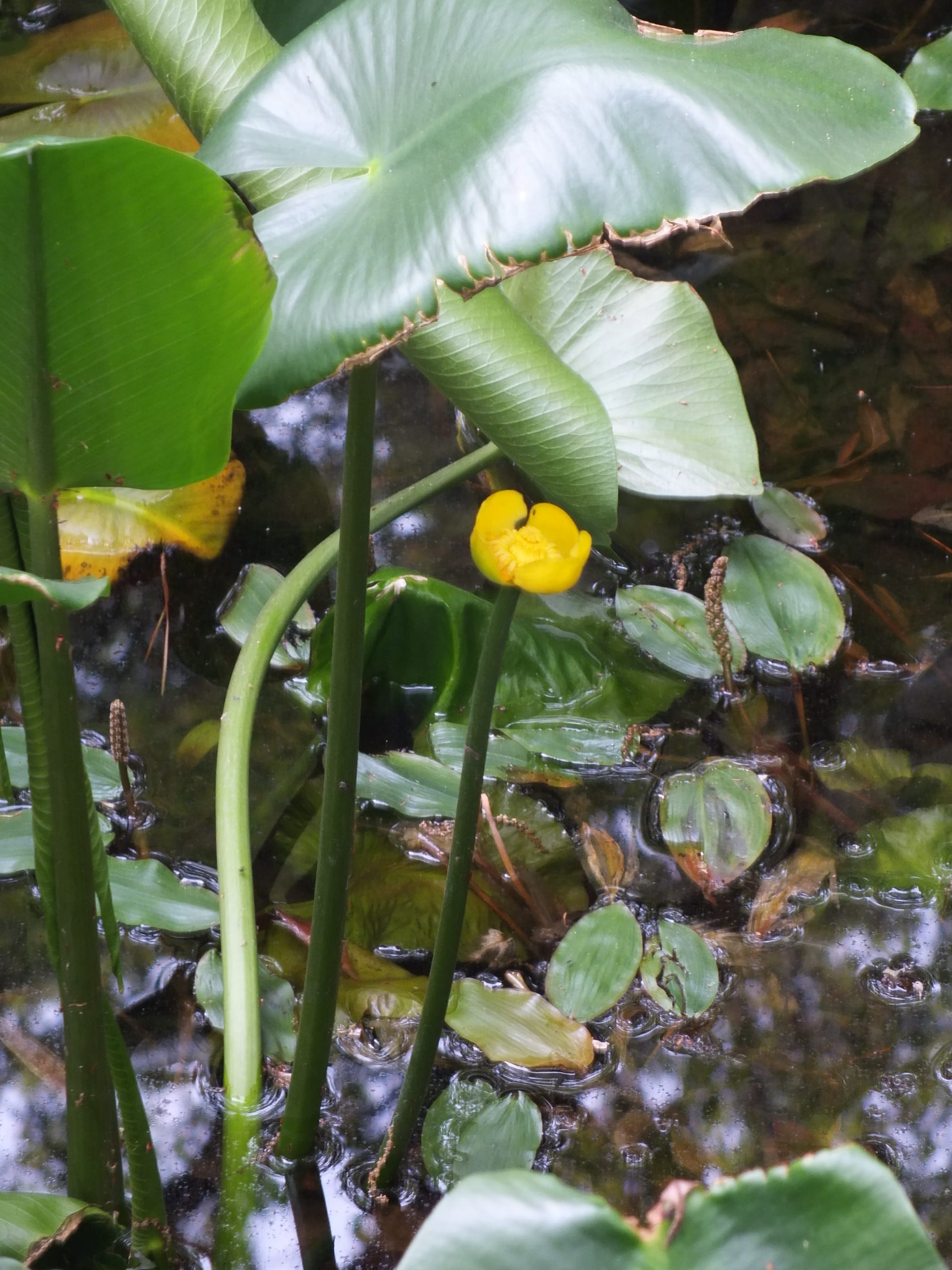
 © 松岡明芳 / CC BY-SA 3.0
河骨
The Japanese pond lily is a native aquatic plant that holds its thick, arrowhead-shaped leaves above the water and produces cheerful yellow, cup-shaped flowers in summer, each about 3 to 5 cm across. Its Japanese name, meaning "river bone," comes from the thick white rhizome that resembles a bone beneath the water. As a perennial, it can be kept for many years as long as the rhizome stays healthy. It was once common in ponds and marshes across Japan, but wild populations have declined, and it is now listed as endangered or threatened on the red lists of many prefectures. Never collect it from the wild; choose nursery-grown plants instead. It takes a bit of experience to grow well, but watching its leaves unfurl and its flowers open each summer makes it a rewarding plant to keep.
View 河骨 encyclopedia →成交手續費 0%!2026年9月30日前註冊,前 2 株免佣金!
生產者 招募中!
在 GrowerDirect 上架,直接銷售給全國的客戶吧!
GrowerDirect承諾的 6 項透明性重點
在水草出品中,生產者會清楚標示以下資訊。確保品種、產地、所需光照、栽培難度的透明度。
- 品種標示
- 實物照片
- 色澤
- 產地標示
- 所需光照
- 難度標示
查看全部134個品種
水草分類正在招募認證生產者
生產者正在陸續註冊,即將上架。設定上架通知,不錯過新商品。
「接收上架通知」需免費註冊會員即可設定。當有符合您儲存條件的新商品上架時,我們會以郵件和站內通知提醒您。
河骨的基本資料
- 栽培難度
- 適合中級者
- 壽命
- Perennial; long-lived from its rhizome
- 體型
- Aerial leaves 20–50 cm long; flowers 3–5 cm across
- 適宜溫度
- 20〜28℃
- 澆水
- Grow in rich mud or paddy soil
- Lighting
- Grows in medium to strong light; outdoors, keep it in a sunny pond or container.
- CO2 & Fertilizer
- No CO2 needed; plant in rich, muddy soil.
- Water Temperature & Quality
- Grows best at 20–28°C and is cold-hardy outdoors; in winter the aerial leaves die back to the submerged ones.
- Substrate & Attachment
- Lay the rhizome horizontally in deep mud; depending on water depth the leaves stand up or float.
- Trimming & Propagation
- Propagate by dividing the rhizome.
- Cautions
- Red-listed in many prefectures, so choose cultivated plants and never collect from the wild. The related Nuphar submersa is protected under the Species Conservation Act. Do not plant or dump it in natural waters.
關於河骨
Japanese pond lily is a native aquatic perennial with arrowhead leaves and yellow cup-shaped summer flowers 3-5cm across. Grown from a long-lived rhizome, it suits intermediate growers.
開始照料河骨前需要了解的7件事
1Give It Plenty of Sun
Japanese pond lily thrives in bright light and needs strong sun exposure to flower well. Keeping it outdoors in a water lily pot or pond where it gets sun for most of the day helps it grow steadily. It will survive in partial shade, but flowering tends to decrease.
2Manage Water Level, Not Watering
When grown in a pot, the soil should stay constantly submerged in water. Top off the water regularly so the level doesn't drop too far, especially as evaporation increases in summer. Full water changes are rarely needed — topping off is usually enough.
3Use Heavy Aquatic Soil
A heavy aquatic soil such as paddy-field clay or arakida clay helps the roots anchor firmly. Lightweight potting mixes tend to break down in water and aren't well suited to this plant. Topping the soil surface with a layer of akadama or similar granules after planting helps keep the soil from washing away.
4Repot in Spring
Because the rhizome spreads over time, repotting (often combined with dividing the plant) is needed every few years. Early spring, as the plant comes out of dormancy, is the best time — dig it up carefully to avoid damaging the rhizome. A root-bound pot can lead to fewer flowers.
5Emergent Leaves Die Back in Winter
In winter, the leaves that grew above the water die back, and the plant rests mainly as a dormant rhizome — this is entirely normal. Removing the dead foliage helps new shoots emerge cleanly in spring. In colder areas, sinking the pot deeper in the water can help protect the rhizome from freezing.
6Choose Nursery-Grown Plants of the Right Species
Look for a plant with a plump, firm rhizome free of soft spots or discoloration, as this settles in more reliably after planting. Fresh green leaves with new shoots unfurling are a good sign of healthy growth. Because this species is listed as endangered or threatened in many prefectures, choose nursery-grown stock rather than plants collected from the wild. Its close relative Nuphar submersa is a nationally designated rare species under Japan's Act on Conservation of Endangered Species, and collecting, selling or transferring it is prohibited in principle, so take care not to confuse the two. Never plant or dump pond lilies in ponds, rivers or waterways, and dry out unwanted plants before disposing of them with household waste.
7Flowers Appear at the Surface in Summer
Flower stalks rise up from underwater from early to mid summer, opening into yellow, cup-shaped blooms near the water's surface. Each flower is about 3 to 5 cm across and lasts several days. As the plant matures, it may flower more than once during the season.
河骨的常見問題
- Q.Can it be grown indoors in an aquarium?
- A.It can technically be grown indoors, but Japanese pond lily prefers strong light, so an outdoor spot or a bright window works better. Grown indoors with insufficient light, it may struggle to flower.
- Q.How long do the flowers last?
- A.Each individual flower stays open for several days. Since new flower stalks emerge one after another from early to mid summer, a well-established plant can keep flowering over an extended period.
- Q.How should I care for the rhizome?
- A.The thick white rhizome is the core of the plant's growth. Burying it securely in soil and repotting every few years in spring helps keep it healthy. Handle it gently, since damage to the rhizome can weaken the plant.
- Q.The leaves died back in winter — is the plant dead?
- A.It's normal for the leaves that grew above the water to die back in winter, and this doesn't mean the plant has died as long as the rhizome is healthy. Removing the dead leaves and continuing routine care will let new leaves emerge in spring.
- Q.Is this a good plant for beginners?
- A.Japanese pond lily is generally considered suited to intermediate growers, requiring some understanding of light, soil, and water level management. Once you're comfortable with the basics, it can be kept for many years, making it a good next step after starter aquatic plants.
河骨栽培的實用工具
在圖鑑中詳細了解河骨
查看河骨的圖鑑條目 →
收錄栽培難度、尺寸、原產地、日照等基礎資料。