跳轉到主要內容
有莖水草

有莖水草

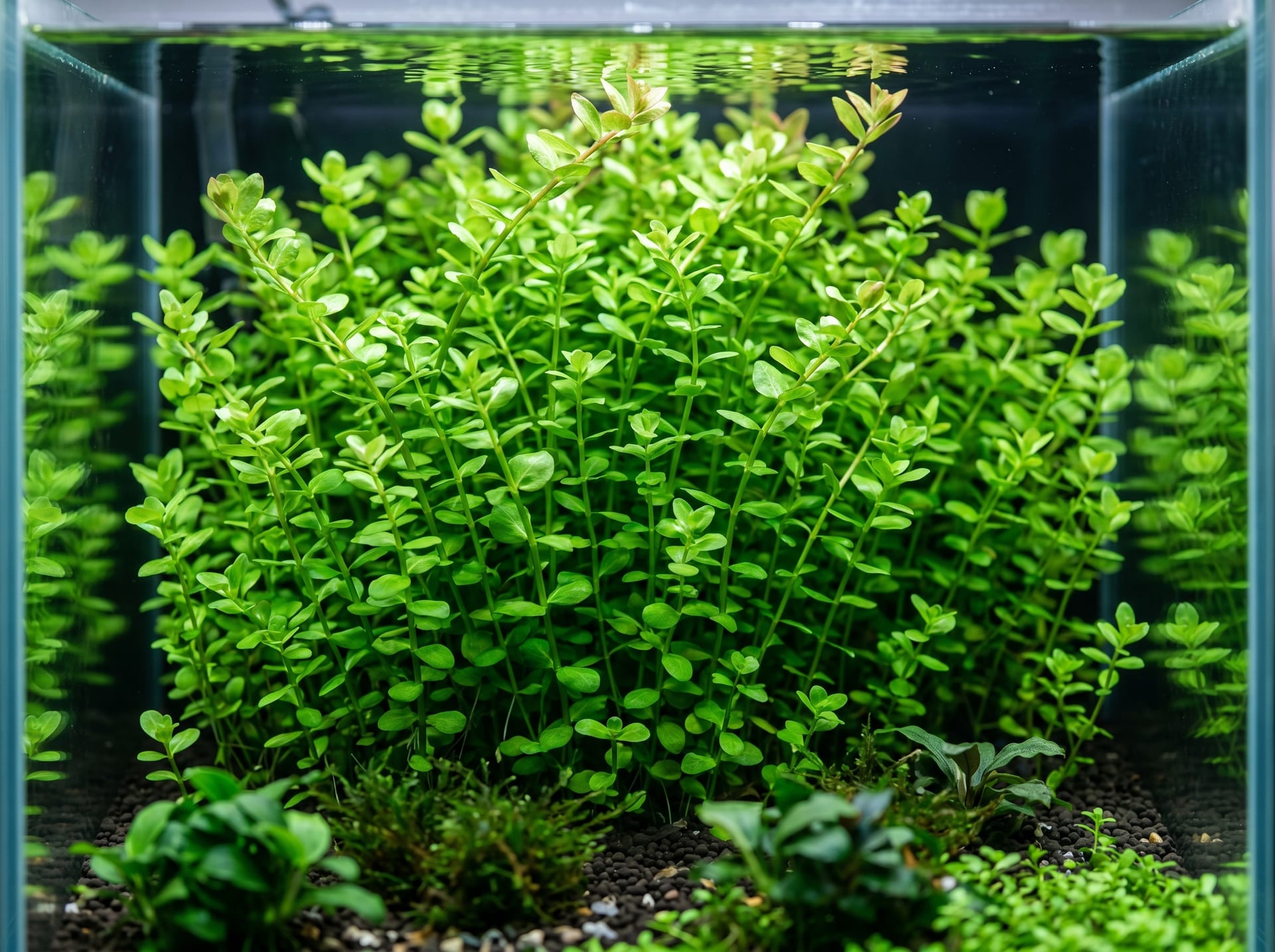
Stem plants are a broad category of aquatic plants that grow by extending their stems, including popular species such as Rotala, Ludwigia, and Hygrophila. Their colorful foliage and varied forms add depth and vibrancy to aquascaped tanks, making them a favorite among beginners and experienced hobbyists alike. One of their greatest appeals is how easily they can be propagated simply by trimming and replanting cuttings.

限時優惠

前 3 筆銷售免佣金!於2026年8月31日前登記生產者→前3筆成交的手續費免費!

栽培者 招募中!

在 ボタちょく 上架,直接銷售給全國的客戶吧!

免費註冊無月費僅在銷售時收取佣金
立即免費註冊

ボタちょく承諾的 6 項透明性重點

在水草出品中,栽培者會清楚標示以下資訊。確保品種、產地、所需光照、栽培難度的透明度。

  • 品種標示
  • 實物照片
  • 色澤
  • 產地標示
  • 所需光照
  • 難度標示

所需光照

0 items

水草分類正在招募認證栽培者

栽培者正在陸續註冊,即將上架。設定上架通知,不錯過新商品。

「接收上架通知」需免費註冊會員即可設定。當有符合您儲存條件的新商品上架時,我們會以郵件和站內通知提醒您。

查看其他分類

想上架水草嗎?

註冊成為栽培者,即可與買家直接聯繫。

申請成為栽培者

關於有莖水草

Stem plants are a diverse group of aquatic plants native to rivers, lakes, and wetlands across tropical and subtropical regions, cherished by aquarists worldwide since the early days of the hobby. The category spans a remarkable range of genera — Rotala, Ludwigia, Hygrophila, Cabomba, and more — united by their characteristic upright stems bearing leaves in opposite or whorled arrangements. Leaf shapes vary enormously, from needle-thin to broadly oval or pinnate, while colors range from lush green to vivid red, orange, and pink, with intensity often heightened by strong lighting and CO₂ supplementation. Planted in the mid to background of a tank, stem plants create vertical flow and a sense of depth central to the nature aquarium aesthetic. Their propagation couldn't be simpler — trim and replant — making each pruning session an opportunity to reshape the layout. With beginner-friendly hardy varieties alongside species demanding precise water chemistry, stem plants offer a rewarding journey for aquarists at every level.

開始照料有莖水草前需要了解的7件事

  1. 1Light Is Key to Growth

    Most stem plants prefer moderate to high light levels; insufficient light causes leggy growth and pale coloration. Choose an LED light suited to your tank size and aim for 8–10 hours of illumination per day. Red-leaved varieties tend to require more intense light than green ones.

  2. 2CO2 Injection Enhances Beauty

    CO2 injection accelerates growth and intensifies leaf coloration. While some hardy species can thrive without it, red and more delicate varieties generally benefit from supplemental CO2. You can start with a relatively affordable method such as a DIY fermentation setup.

  3. 3Use Both Substrate and Liquid Fertilizers

    Stem plants absorb nutrients through both roots and leaves, so combining a nutrient-rich substrate or root tabs with regular liquid fertilizer dosing is effective. Deficiencies in iron and trace elements often cause yellowing leaves. Add fertilizers gradually and adjust based on plant response to avoid promoting algae growth.

  4. 4Trimming Maintains Density

    Left untrimmed, stem plants tend to grow dense at the top while lower leaves wither. The standard technique is to cut stems to a suitable length and replant the trimmed tops directly into the substrate. Regular trimming is the key to maintaining an attractive layout over the long term.

  5. 5Optimal Water Temperature: 20–28°C

    Most stem plants originate from tropical or subtropical regions and prefer water temperatures between 20–28°C. Temperatures exceeding 30°C in summer can cause melting or rot, so using an aquarium chiller or fan is recommended. Sudden temperature changes also stress plants, so match the water temperature when doing water changes.

  6. 6Slightly Soft Water Is Ideal

    Most stem plants prefer slightly soft water with a pH of 6.0–7.0 and a GH of around 3–8. In hard or high-pH water, nutrient uptake becomes less efficient and leaf coloration may suffer. Using an aquasoil substrate naturally lowers pH, making water parameter management easier.

  7. 7Species Choice Affects Difficulty

    Ease of cultivation varies considerably between stem plant species. Hygrophila polysperma and green Rotala are beginner-friendly with modest light and CO2 requirements, whereas needle leaf species and Alternanthera reineckii are better suited for experienced hobbyists. Starting with hardy varieties allows you to build skills before moving on to more demanding species.

有莖水草的常見問題

Q.Can stem plants be grown without CO₂ injection?
A.Hardy species such as Hygrophila and Cabomba can grow reasonably well without CO₂ injection. However, many species — including Rotala — benefit significantly from CO₂ for fuller coloration and faster growth; without it, growth tends to slow and leaf color may become less vivid.
Q.How often should stem plants be trimmed?
A.Trimming frequency depends on growth rate, but every two to four weeks is a common guideline. Left untrimmed, stems can reach the water surface, causing lower leaves to die off. Regular cutting to manage height keeps plants healthy and the layout looking tidy.
Q.Why are leaves melting or falling off?
A.Leaf melt is common during the transition from emersed to submersed growth and is a normal part of adaptation. Leaf drop can also occur due to insufficient light, nutrient deficiency, or sudden changes in water parameters. In most cases, new healthy leaves will emerge once conditions stabilize.
Q.Can stem plants grow in substrates other than aquasoil?
A.Stem plants can be grown in inert substrates such as gravel or sand, but regular application of root tabs is important to compensate for the lack of built-in nutrients. Establishment may take longer compared to nutrient-rich aquasoil, though consistent liquid fertilization can effectively offset the difference.
Q.Can stem plants be kept alongside fish?
A.Most stem plants are well-suited for community tanks with fish, and fish waste can even act as a natural fertilizer that supports plant growth. However, herbivorous species such as goldfish and some cichlids may nibble or uproot plants. Pairing stem plants with small tropical fish or shrimp tends to work particularly well.

有莖水草栽培的實用工具

同分類的更多品種