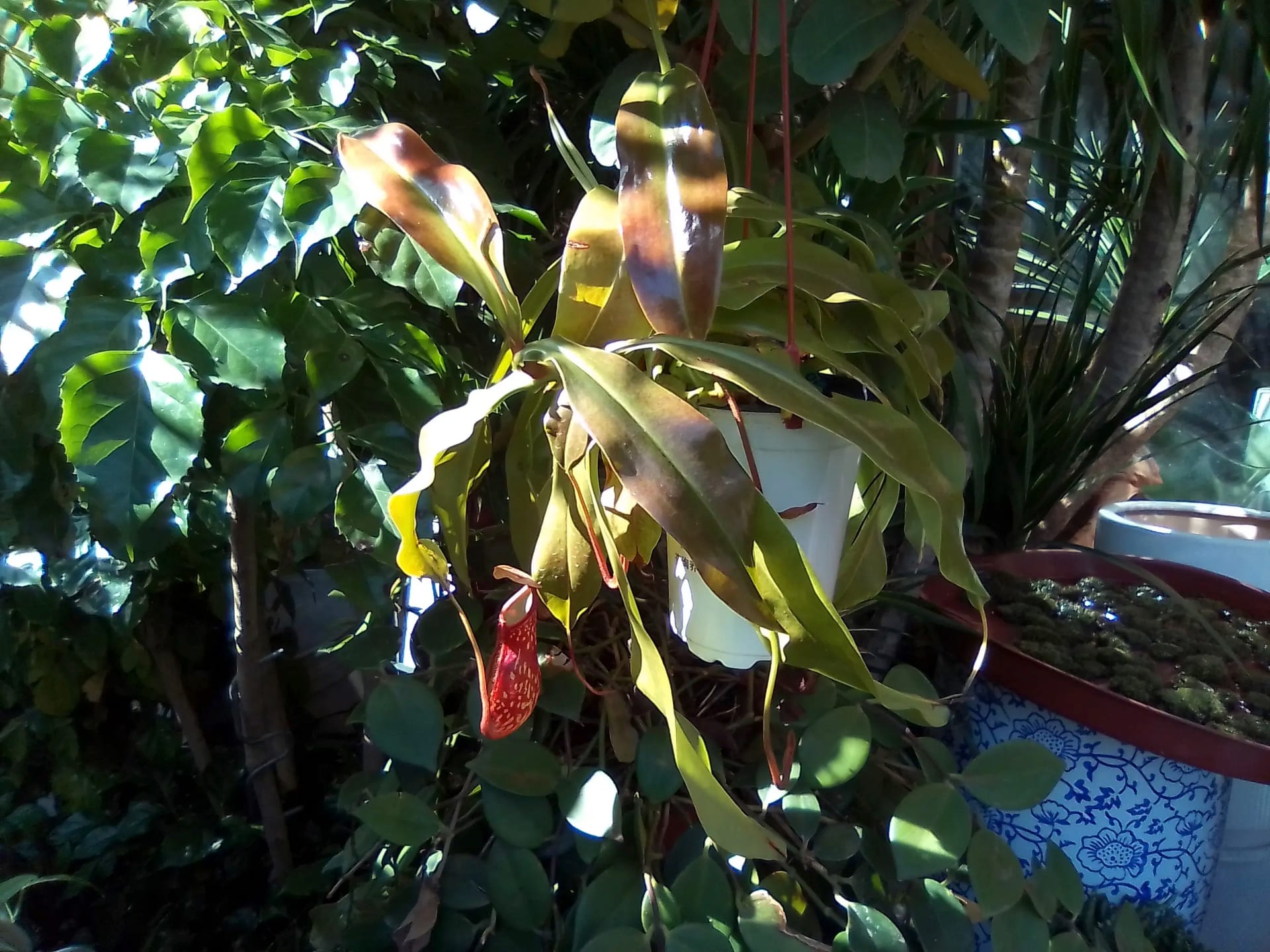
 © 数理考高分 / CC BY-SA 4.0
豬籠草'蓋亞'
Nepenthes Gaya is a hybrid pitcher plant said to be a cross between N. khasiana and (N. ventricosa × N. maxima). Overseas, the same combination is sold as 'St. Gaya,' but whether it is the same plant as the Gaya sold in Japan hasn't been confirmed. It turns up in all kinds of places, from hanging pots at general retailers to specialist aquatic plant shops, making it one of the more approachable carnivorous plants to come across. Rated beginner-friendly, it grows as a perennial vine, sending out trailing stems as it matures. Watching it produce its distinctive pitcher traps to catch insects is part of the appeal, and it's a satisfying pick for anyone curious about growing carnivorous plants for the first time.
View 豬籠草'蓋亞' encyclopedia →成交手續費 0%!2026年9月30日前註冊,前 2 株免佣金!
生產者 招募中!
在 GrowerDirect 上架,直接銷售給全國的客戶吧!
GrowerDirect承諾的 6 項透明性重點
在食蟲植物出品時,生產者將透明標示以下資訊。保證品種、產地、光照需求、栽培難度的透明度。
- 品種標示
- 實物照片
- 色澤
- 產地標示
- 光照需求
- 難度標示
查看全部145個品種
食蟲植物分類正在招募認證生產者
生產者正在陸續註冊,即將上架。設定上架通知,不錯過新商品。
「接收上架通知」需免費註冊會員即可設定。當有符合您儲存條件的新商品上架時,我們會以郵件和站內通知提醒您。
豬籠草'蓋亞'的基本資料
- 栽培難度
- 適合新手
- 壽命
- 多年生藤本植物
- 體型
- 關於大小的資料較少
- 澆水
- 肥料應極其稀薄謹慎使用(通過捕捉昆蟲獲取養分)
- 日照與擺放位置
- 在明亮的窗邊栽培。有少許直射日光進入程度的明亮環境下,紅色斑點會更加清晰。
- 澆水
- 使用雨水或低鹽分的水澆灌,在介質完全乾燥前澆水。不要在托盤中長期積水,使用排水性良好的介質,避免根部悶爛。
- 溫度與越冬
- 親代 N. khasiana 和 N. ventricosa 為高地性種,喜歡夜間涼爽的環境。冬季應移入溫暖的室內。
- 介質與翻盆
- 使用排水性和透氣性良好的介質栽植。常用純苔蘚或蘭花用介質混合苔蘚和珍珠岩。
- 肥料
- 若使用複合肥料應極其稀薄。只需偶爾在捕蟲袋中放入昆蟲即可充分生長。
- 病蟲害與注意事項
- 作為斑葉種出售的株系容易發生日焼,應避免強烈直射日光並逐漸適應。
關於豬籠草'蓋亞'
Nepenthes Gaya, a hybrid pitcher plant crossing N. khasiana with (N. ventricosa × N. maxima), also known as 'St. Gaya' abroad. Sold widely from general retailers to aquatic plant specialists, this beginner-friendly perennial vine is easy to start growing.
開始照料豬籠草'蓋亞'前需要了解的7件事
1Bright, Indirect Light
Nepenthes Gaya prefers bright, filtered light rather than harsh direct sun, similar to the light through a sheer curtain. A bright spot near a window works well indoors, while outdoors it benefits from some shade cloth. Direct summer sun can scorch the leaves, so keep that in mind.
2Balance Moisture Carefully
As a vine, it enjoys consistent moisture, but soil that stays waterlogged can lead to root rot. Water thoroughly once the surface starts to dry, and avoid swinging between bone-dry and soggy conditions. Keeping humidity up around the plant also helps it form pitchers.
3Use Fast-Draining Soil
Skip ordinary potting soil in favor of a mix with good drainage and airflow, such as sphagnum moss blended with perlite. Soil that's too rich in nutrients can stress the roots, so a dedicated carnivorous-plant mix is a safer choice.
4Repot in Warm Weather
Once roots fill the pot, move the plant into a slightly larger one during the warmer growing season. The roots are delicate, so handle the root ball gently and disturb it as little as possible when transferring it to fresh soil.
5Protect It Over Winter
This vine keeps growing year-round but doesn't tolerate cold well, so bring it indoors to a warm spot for winter. Avoid sudden temperature swings, and mist occasionally to keep humidity from dropping too low.
6Train the Vine as It Grows
Being a perennial vine, it sends out longer stems as it matures. You can train it up a trellis or let it trail from a hanging pot, adapting the style to whatever space you have.
7Check Leaves and Vine Condition
When choosing a plant, look for healthy leaf color and vine growth without discoloration or damage. A plant that has already formed pitchers is a good sign it has settled well into its growing conditions.
豬籠草'蓋亞'的常見問題
- Q.Is Nepenthes Gaya suitable for beginners?
- A.Yes, it's generally rated as beginner-friendly to grow. As long as you cover the basics of light, watering, and soil, it's approachable even if you've never grown a carnivorous plant before.
- Q.Is Nepenthes Gaya different from 'St. Gaya'?
- A.Overseas, the same parentage is sold under the name 'St. Gaya,' but no source confirms that it is the same plant as the Gaya sold in Japan. The name also doesn't appear in the International Carnivorous Plant Society (ICPS) cultivar register, and its breeder and year of origin are unclear.
- Q.How large does it grow?
- A.As a vining plant, its size changes as it matures, but detailed size data isn't widely available. How it looks depends a lot on growing conditions and how it's trained.
- Q.Why isn't my plant forming pitchers?
- A.Insufficient light or humidity is often behind a lack of pitcher formation. Try adjusting to a brighter spot with steadier humidity and see if that helps.
- Q.How long does Nepenthes Gaya typically live?
- A.Reference data describes it as a perennial vine, so with the right conditions it can be grown for many years rather than just a single season. That makes it rewarding to watch develop over time.
豬籠草'蓋亞'栽培的實用工具
在圖鑑中詳細了解豬籠草'蓋亞'
查看豬籠草'蓋亞'的圖鑑條目 →
收錄栽培難度、尺寸、原產地、日照等基礎資料。