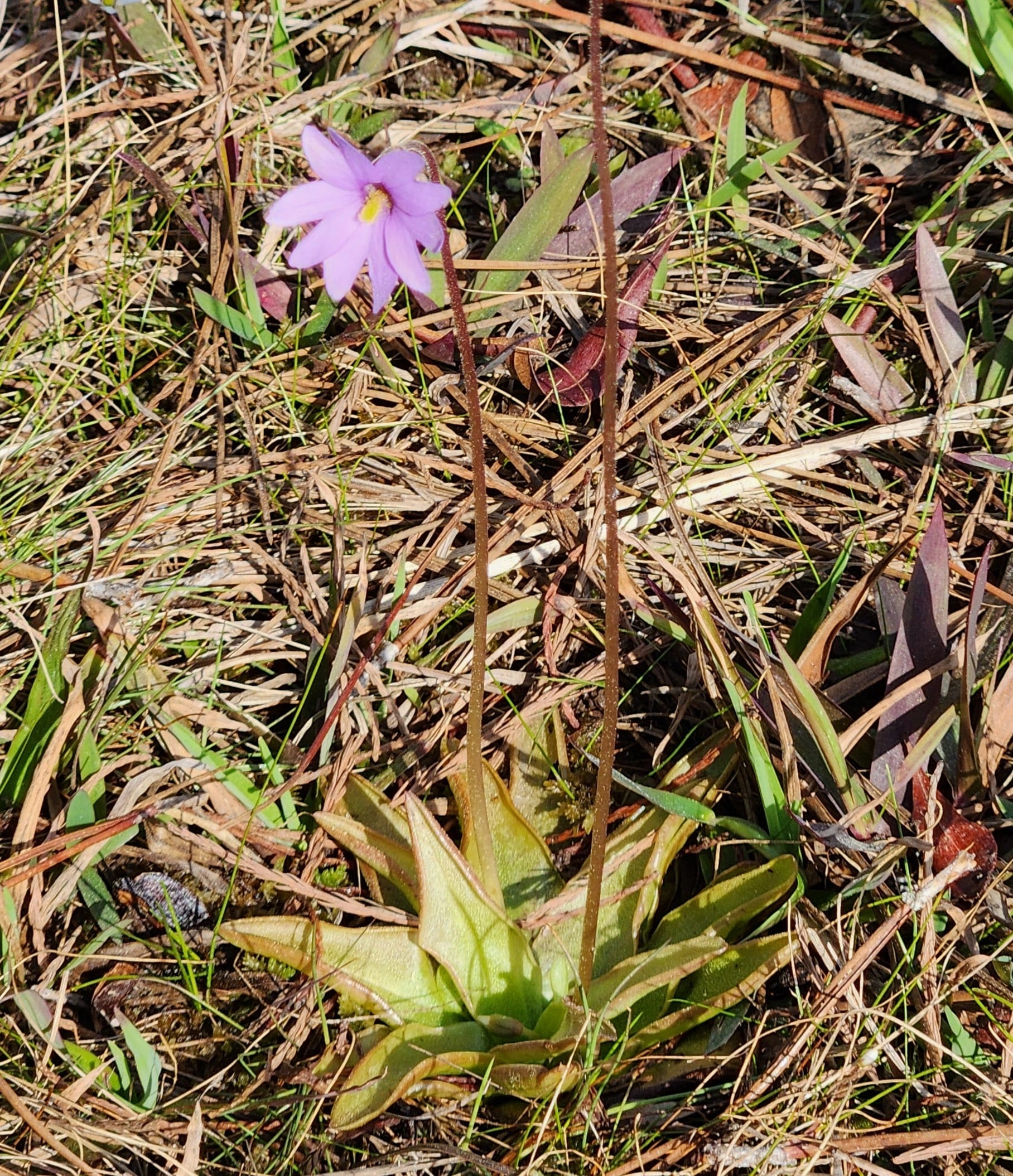
 © KyleGorczynski / CC0
平葉狸藻
Pinguicula planifolia, commonly known as Chapman's butterwort, is a carnivorous plant native to wetland habitats along the Gulf Coast of the United States. Its flat, thin leaves spread close to the ground and turn a deep reddish-purple when grown in bright light, giving the rosette a striking color. In bloom, it sends up purple flowers with petals cut nearly halfway to their base, adding a delicate contrast to the bold foliage. As a true wetland species, it tolerates being submerged in water and even thrives that way, which sets its care apart from many other carnivorous plants and makes it a variety best suited to growers with some prior experience.
View 平葉狸藻 encyclopedia →成交手續費 0%!2026年9月30日前註冊,前 2 株免佣金!
生產者 招募中!
在 GrowerDirect 上架,直接銷售給全國的客戶吧!
GrowerDirect承諾的 6 項透明性重點
在食蟲植物出品時,生產者將透明標示以下資訊。保證品種、產地、光照需求、栽培難度的透明度。
- 品種標示
- 實物照片
- 色澤
- 產地標示
- 光照需求
- 難度標示
查看全部145個品種
食蟲植物分類正在招募認證生產者
生產者正在陸續註冊,即將上架。設定上架通知,不錯過新商品。
「接收上架通知」需免費註冊會員即可設定。當有符合您儲存條件的新商品上架時,我們會以郵件和站內通知提醒您。
平葉狸藻的基本資料
- 栽培難度
- 適合高級者
- 壽命
- 壽命短的多年生草本
- 體型
- 關於大小的資料很少
- 澆水
- 幾乎不需要肥料(用葉片粘液捕捉小蟲)
- 日照環境
- 充分日照時葉片會呈現深紅紫色。在明亮的地方或照明下種植。
- 澆水
- 為濕地性植物,需保持基質常濕。在自生地常沉入水中,乾燥是禁忌。
- 溫度・越冬
- 為暖溫帶性,不具備耐凍機制。冬季在不結凍的地方管理。
- 基質・換盆
- 使用泥炭3:矽砂1:珍珠岩1的混合基質,或單獨使用泥炭種植。當被苔蘚或藍藻覆蓋時,更換為新基質。
- 繁殖方法
- 由於是壽命短的多年生草本,長期栽培需要採集種子。自交親和性低,需用筆進行花粉授粉。種子在15℃以上的環境下2~4週發芽。
關於平葉狸藻
A carnivorous plant from Gulf Coast wetlands, its leaves turn deep reddish-purple in sun and it bears purple flowers. This wetland species tolerates submersion and suits experienced growers.
開始照料平葉狸藻前需要了解的7件事
1Give It Plenty of Light
Bright light is essential for the leaves to develop their deep reddish-purple color. In partial shade the leaves tend to stay a pale green, so place the plant near a bright window with filtered sunlight.
2Keep It Standing in Water
Matching its native wetland habitat, the standard care method is to keep the pot sitting in a shallow tray of water at all times. Never let the growing medium dry out, as this species is especially sensitive to drought.
3Use a Well-Draining, Moisture-Retentive Mix
A blend of peat moss and river sand (or perlite) works well for this species. Using a clean mix low in organic matter helps reduce the risk of root rot and disease.
4Repot When Needed
When the surface of the mix becomes covered with moss or blue-green algae, repot into fresh mix. A blend of three parts peat, one part silica sand, and one part perlite, or pure peat, is commonly used.
5Same Leaves Year-Round
This warm-temperate species keeps the same leaves all year and has no dormant period. Plenty of sun turns the leaves a deep reddish purple. It has no way to withstand freezing, so keep it somewhere frost-free in winter.
6Check Leaf Color and Rosette Condition
When choosing a plant, look for one with deep reddish-purple leaves and firm leaf tips, signs it has been grown in adequate light. Also check the base of the rosette for any buildup of dead leaves.
7Renew Plants from Seed
Because Pinguicula planifolia is a short-lived perennial, collecting seed is essential for keeping it long term. It doesn't self-pollinate easily, so transfer pollen with a small brush. Seeds germinate in about two to four weeks at 15°C or above.
平葉狸藻的常見問題
- Q.Is this a good plant for beginners?
- A.Pinguicula planifolia is generally considered an advanced-level plant. It requires care quite different from other carnivorous plants, such as keeping the medium constantly moist, so it's best attempted after you've gained some carnivorous plant experience.
- Q.How often should I water it?
- A.As a wetland species, it doesn't tolerate drying out, so the standard method is to keep the pot standing in a shallow water tray. Top up the water before the growing medium dries out, keeping it consistently moist.
- Q.Why aren't my leaves turning reddish-purple?
- A.Insufficient light is the most likely cause. The leaves develop their deep reddish-purple color under strong light, so try moving the plant to a brighter spot, such as a window with filtered sunlight.
- Q.How long can I expect to keep this plant?
- A.It's a short-lived perennial, so keeping the same plant going indefinitely isn't realistic. Hand-pollinate with a brush, collect the seed, and raise new plants to carry the line forward.
- Q.What do the flowers look like?
- A.It produces purple flowers with petals that are deeply cut about halfway to their base. This delicate flower form offers a nice contrast to the plant's vivid reddish-purple foliage.
平葉狸藻栽培的實用工具
在圖鑑中詳細了解平葉狸藻
查看平葉狸藻的圖鑑條目 →
收錄栽培難度、尺寸、原產地、日照等基礎資料。