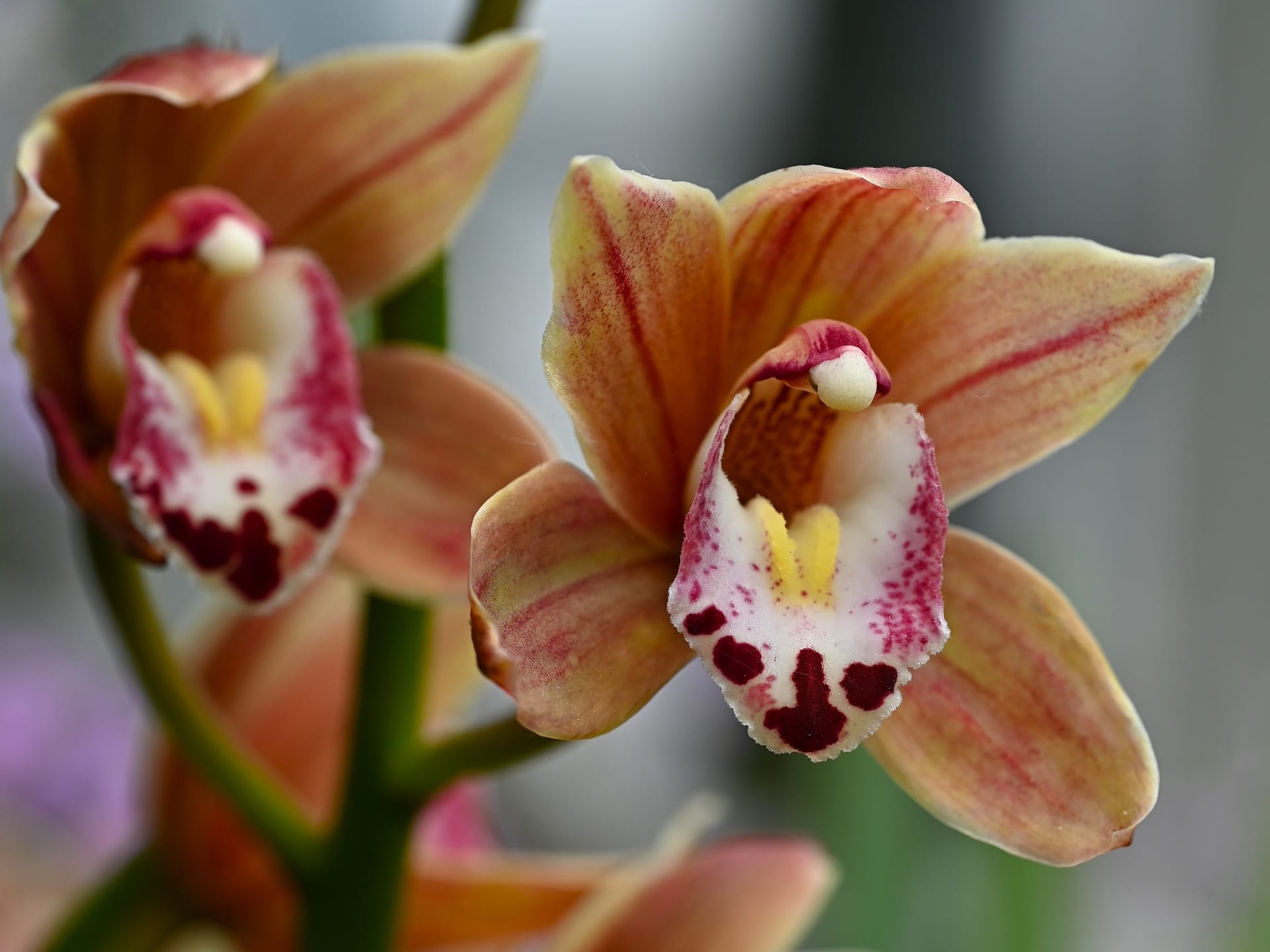
 © Krzysztof Ziarnek, Kenraiz / CC BY-SA 4.0
金稜邊
Golden-edged Orchid (Kinryohen) is a compact type of Cymbidium that produces dense spikes of small, reddish-brown flowers. A classic ornamental plant with a long history in Japanese horticulture, it has slender, glossy leaves and a neat, compact growth habit. Known for its tolerance to cold and dry conditions, it is considered one of the more approachable orchids for beginners. Its distinctive fragrance is famous for attracting swarms of Japanese honeybees, making it a favorite among those interested in beekeeping for generations. With regular division, established plants can be propagated and enjoyed for many years.
View 金稜邊 encyclopedia →成交手續費 0%!2026年9月30日前註冊,前 2 株免佣金!
生產者 招募中!
在 GrowerDirect 上架,直接銷售給全國的客戶吧!
GrowerDirect承諾的 6 項透明性重點
出品 蘭花 時,認證 生產者 明示品種、產地、光照需求、栽培難度等資訊,確保購物透明。
- 品種說明
- 實物照片
- 色澤
- 產地說明
- 光照需求
- 難度說明
查看全部142個品種
蘭花分類正在招募認證生產者
生產者正在陸續註冊,即將上架。設定上架通知,不錯過新商品。
「接收上架通知」需免費註冊會員即可設定。當有符合您儲存條件的新商品上架時,我們會以郵件和站內通知提醒您。
金稜邊的基本資料
- 栽培難度
- 適合新手
- 壽命
- 多年生植物,可通過株分不斷繁殖栽培多年(壽命資料稀少)
- 體型
- 花莖長15~25公分,花徑3~4公分
- 澆水
- 生長期使用極稀薄的液體肥料或固肥。冬季不施肥
- 光照與放置位置
- 相對耐受直射光,在明亮的地方生長良好。只需在盛夏強光時輕度遮光。
- 澆水
- 當種植介質表面乾燥時澆充足的水。這是一個相對耐旱的種類。
- 溫度與越冬
- 抗寒性強,若不受霜、雪和強北風的吹拂,可在屋外越冬。若不經歷一定程度的低溫可能不會開花。
- 用土與換盆
- 不挑選用土,可用水苔密實種植,也可用混合輕石和燒成紅玉土的蘭花專用土壤種植。株分應在春季以後進行,有花芽的株分應在開花後進行。
- 肥料
- 生長期用極稀薄的液體肥料多次施用或使用固肥,冬季不施肥。
- 病蟲害與注意事項
- 因花香會吸引日本蜜蜂分群,若在開花期間放置於屋外可能會吸引蜜蜂。放置位置需要特別注意。
關於金稜邊
Kinryohen (Golden-edged Orchid) is a compact Cymbidium with reddish-brown flower spikes. Cold- and drought-tolerant, beginner-friendly, and famed for its honeybee-attracting fragrance.
開始照料金稜邊前需要了解的7件事
1Thrives in Bright Light
Kinryohen is fairly tolerant of direct sunlight and grows well in a bright spot. Just give it light shade during the strongest midsummer sun, and keep it somewhere with good air circulation for healthy growth.
2Water Sparingly
Compared to many other orchids, Kinryohen tolerates dry conditions well. Water thoroughly once the surface of the potting medium has dried out, and avoid letting water sit in the saucer, as overly wet conditions can lead to root rot.
3Well-Draining Media
Use a well-aerated, free-draining medium such as bark or sphagnum moss. Standard potting soil tends to trap moisture around the roots, so an orchid-specific mix is the safer choice.
4Divide Every Few Years
Once a plant has filled its pot, divide it while repotting. Do this from spring onward, and for plants carrying flower buds, wait until blooming has finished. Dividing the plant is a basic part of its ongoing care, letting you multiply and enjoy it for years, and it is a manageable task even for beginners.
5Cold Hardiness
Thanks to its cold tolerance, Kinryohen can often be kept outdoors in a sheltered spot, such as under eaves, even through winter, as long as it is protected from freezing. Still, take care to avoid sudden temperature swings and frost during the coldest months.
6Bee-Attracting Blooms
When in bloom, the flowers release a distinctive fragrance famous for attracting swarms of Japanese honeybees. The small, 3-4cm blossoms line up along the flower spike, giving the plant the understated charm typical of classic ornamental orchids.
7Choosing a Healthy Plant
Look for a plant with glossy, unblemished leaves free of yellowing or dark spots. Gently check the base of the plant for firm, well-established roots, which makes ongoing care easier.
金稜邊的常見問題
- Q.Is Golden-edged Orchid suitable for beginners?
- A.Thanks to its tolerance for cold and dry conditions, it is considered one of the more approachable orchids to grow. If you follow the basics of placement and watering, it is manageable even for first-time orchid growers.
- Q.How large are the flowers?
- A.The blossoms are about 3 to 4cm across and appear in clusters along flower spikes roughly 15 to 25cm long. Each individual flower is small, but together they form a dense, spike-like display.
- Q.Why is it said to attract honeybees?
- A.The distinctive fragrance it releases when in bloom is known to attract swarms of Japanese honeybees. Because of this trait, the plant has long been valued by those interested in beekeeping.
- Q.How often does it need repotting?
- A.There is no fixed schedule, but repotting (often combined with dividing the plant) is typically done once it has filled its pot. Aim for spring onward, and for plants with flower buds, wait until after flowering.
- Q.How long can it be grown for?
- A.It is a perennial plant that can be kept going for many years through periodic division. Detailed data on its overall lifespan is limited, but with proper care it can be enjoyed over the long term.
金稜邊栽培的實用工具
在圖鑑中詳細了解金稜邊
查看金稜邊的圖鑑條目 →
收錄栽培難度、尺寸、原產地、日照等基礎資料。