Aquatic Plant Encyclopedia
Encyclopedia of popular aquatic plants with care guides, traits, and aquascaping tips.
Showing 4 of 127 species
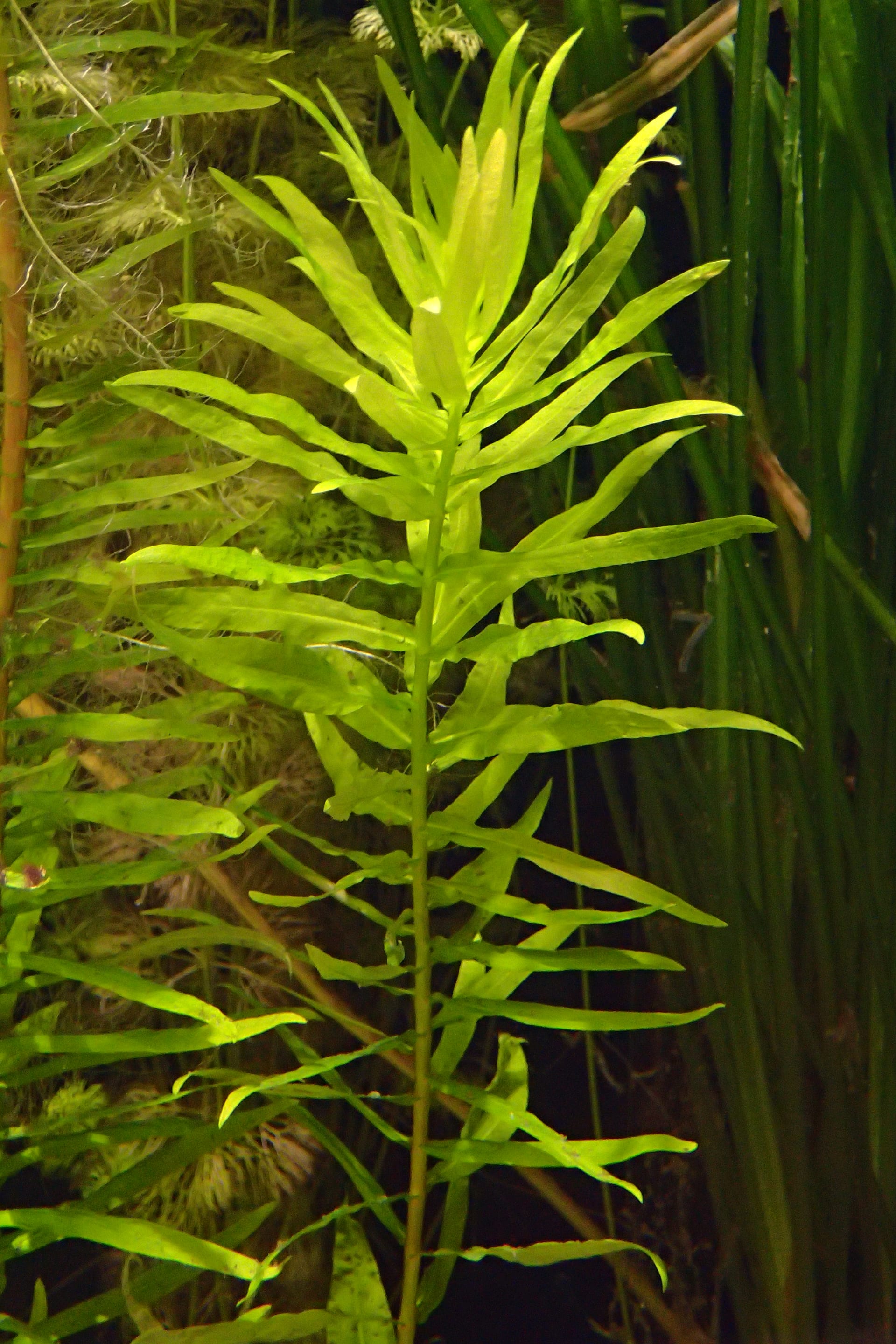 © Krzysztof Ziarnek, Kenraiz / CC BY-SA 4.0
Ammannia gracilis
Ammannia gracilis
A large stem plant with long, narrow opposite leaves that turn a cognac-red in strong light. Reaching 20–50 cm tall and 12–20 cm wide, it makes a bold statement in the mid- or background of tanks of 76 litres or more.
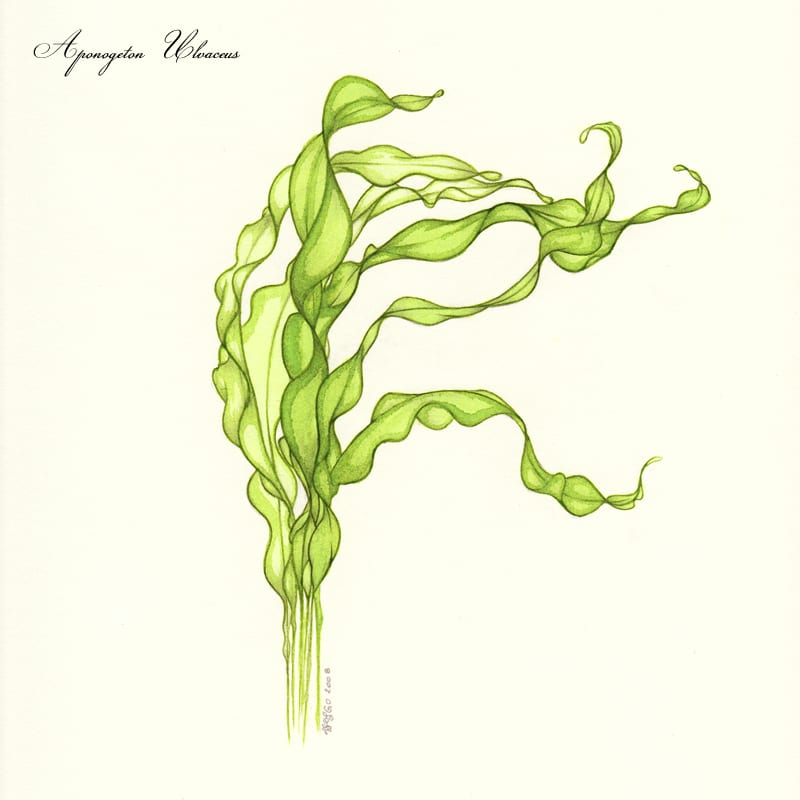 © Wigoelbar / CC BY-SA 3.0
Aponogeton ulvaceus
Aponogeton ulvaceus
A bulb plant from Madagascar that unfurls more than 40 translucent, pale green leaves with strongly waved margins. A single plant spreads about 50 cm wide, so it makes a centrepiece for large tanks. Some forms need a dormant period.
Ludwigia inclinata var. verticillata 'Cuba'
Ludwigia inclinata var. verticillata 'Cuba'
A large stem plant that forms whorls of narrow, linear leaves tinged red and orange under water. It is a locality form found on Cuba's Isla de la Juventud and is regarded as the easiest of the var. verticillata forms. Light and CO2 transform its colour and density.
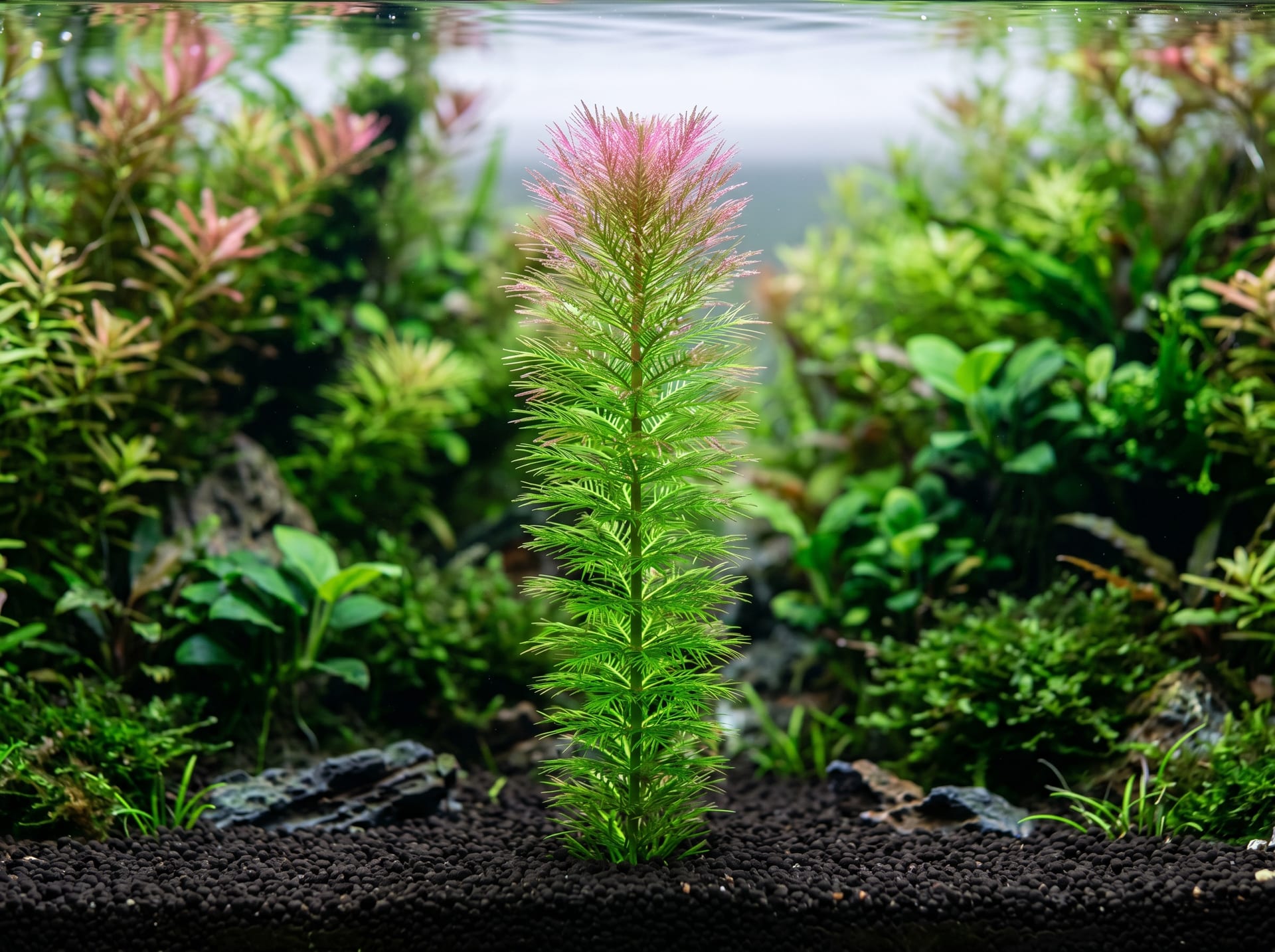
Rotala wallichii
Rotala wallichii
A beautiful Rotala with needle-like leaves spreading radially like a conifer. Turns pink to red with high light and CO2. Contrary to its delicate appearance, relatively easy to grow.
Related Content
Aquatic Plant FAQ
- How much do aquatic plants cost?
- Common Rotala and Anubias cost 300-1,000 yen, Bucephalandra 1,000-5,000 yen, and rare wild-collected specimens 5,000-20,000+ yen depending on species.
- Can beginners grow aquatic plants?
- Anubias Nana and Java Moss require no CO2 injection and grow in low light, making them ideal for beginners. Start with hardy shade-loving plants.
- What equipment is needed for aquatic plants?
- A tank, LED light, filter, and aqua soil are the basics. For advanced layouts, CO2 injection and high-performance lighting significantly improve growth and coloration.
- What should I check when buying aquatic plants?
- Ensure leaves are green and healthy, not melting or dying, and free of snails or pests. Tissue-cultured cups are pest-free and reliable.
- Why do aquatic plants die?
- Insufficient light, CO2, or nutrients are the main causes. Each species has different requirements, so matching the environment to your specific plants is essential.