Aquatic Plant Encyclopedia
Encyclopedia of popular aquatic plants with care guides, traits, and aquascaping tips.
Showing 4 of 127 species
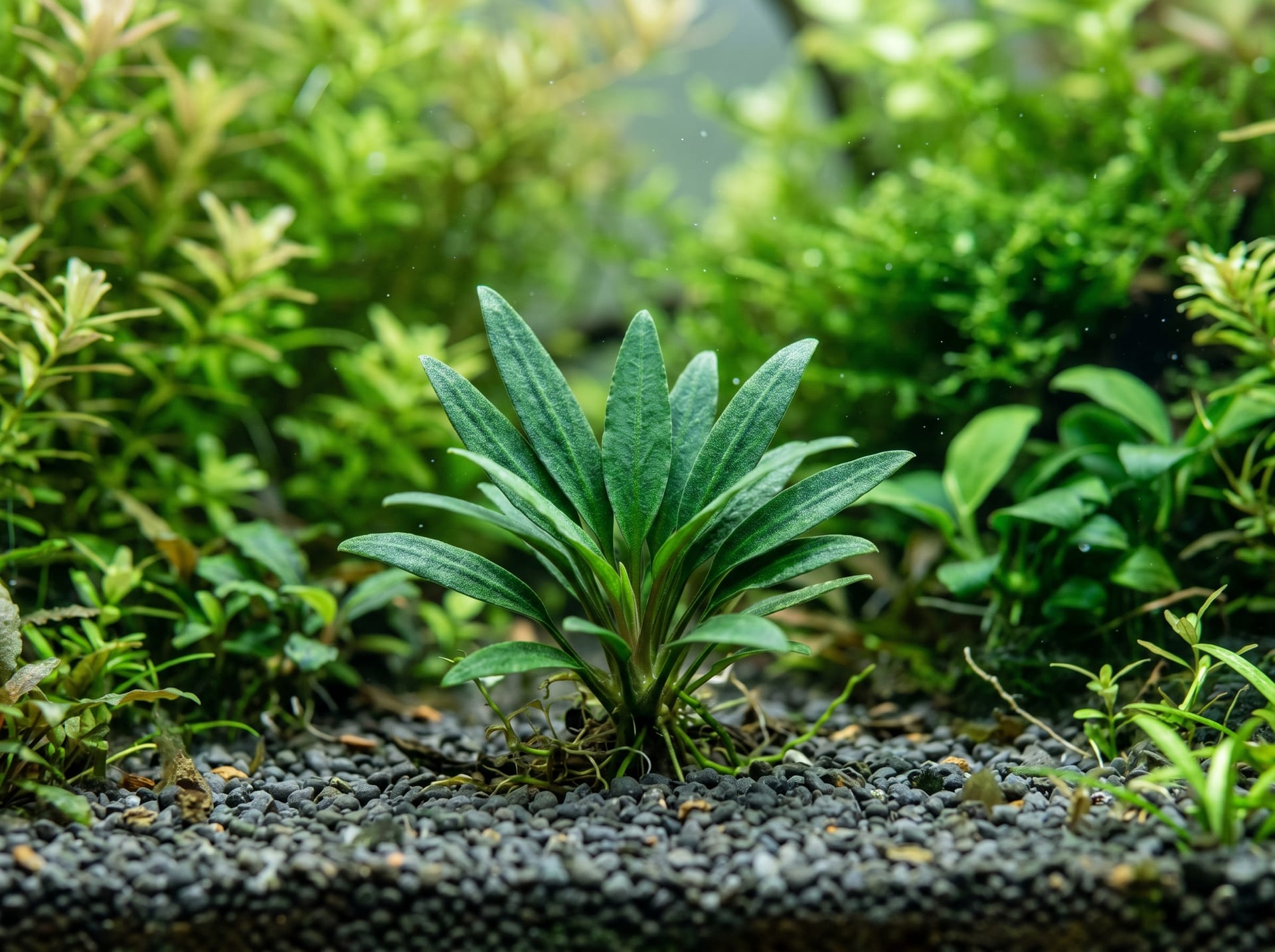
Cryptocoryne parva
Cryptocoryne parva
The smallest Cryptocoryne species. Used as a foreground plant, growing very slowly. Once established it is hardy and easy to maintain. Grows without CO2, but needs more light than other Cryptocoryne species.
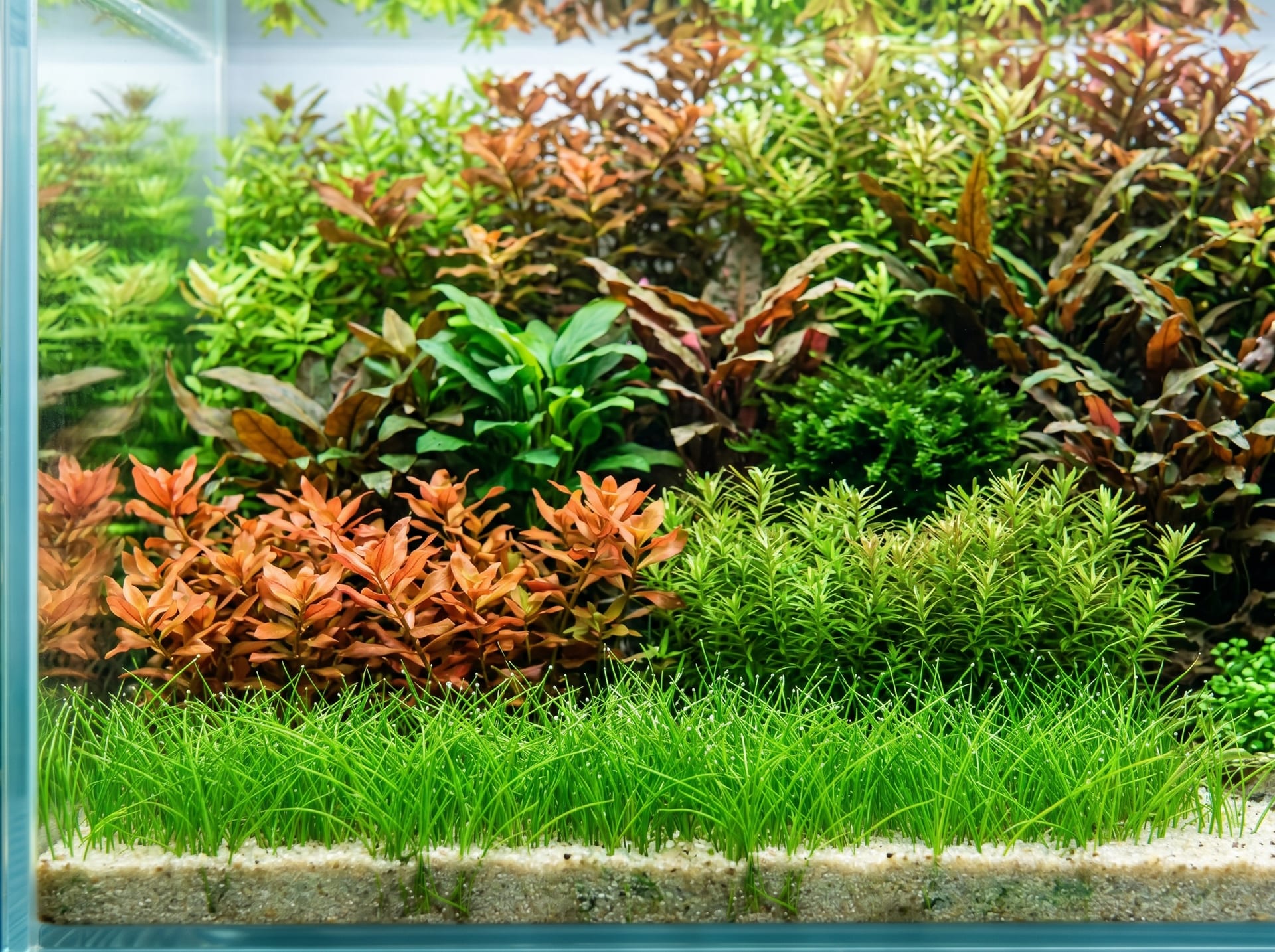
Dwarf Hairgrass
Eleocharis parvula
A foreground plant with fine thread-like leaves spreading as a carpet. Propagates by runners across wide areas. Creates beautiful green carpet with CO2 and adequate light. Grows well in sandy substrates.
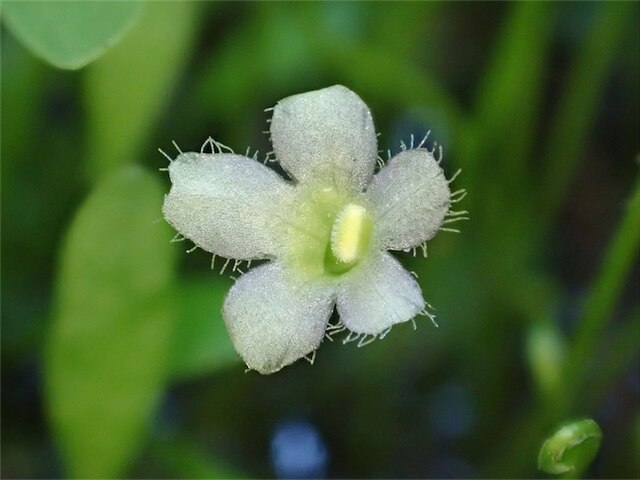 © Murray Fagg / CC BY-SA 3.0
Glossostigma
Glossostigma elatinoides
The most popular foreground plant in aquascaping. Forms a lush green carpet by creeping along the substrate. Requires CO2 and strong light but grows explosively under optimal conditions. A Nature Aquarium staple.
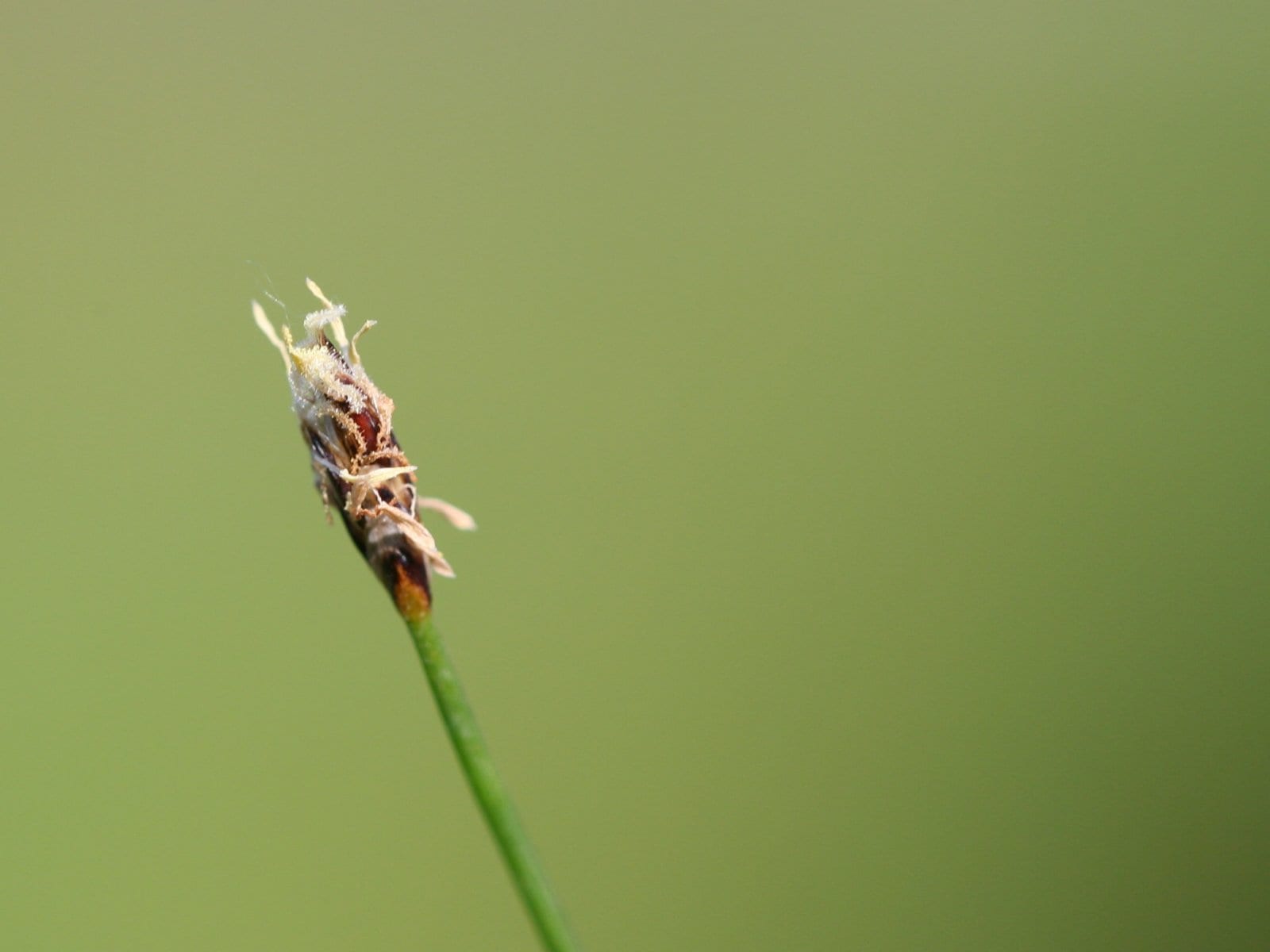 © Kristian Peters -- Fabelfroh 07:18, 1 July 2007 (UTC) / CC BY-SA 3.0
Hairgrass
Eleocharis acicularis
A foreground plant with thin thread-like leaves spreading like a meadow. Spreads by runners creating natural aquascapes.
Related Content
Aquatic Plant FAQ
- How much do aquatic plants cost?
- Common Rotala and Anubias cost 300-1,000 yen, Bucephalandra 1,000-5,000 yen, and rare wild-collected specimens 5,000-20,000+ yen depending on species.
- Can beginners grow aquatic plants?
- Anubias Nana and Java Moss require no CO2 injection and grow in low light, making them ideal for beginners. Start with hardy shade-loving plants.
- What equipment is needed for aquatic plants?
- A tank, LED light, filter, and aqua soil are the basics. For advanced layouts, CO2 injection and high-performance lighting significantly improve growth and coloration.
- What should I check when buying aquatic plants?
- Ensure leaves are green and healthy, not melting or dying, and free of snails or pests. Tissue-cultured cups are pest-free and reliable.
- Why do aquatic plants die?
- Insufficient light, CO2, or nutrients are the main causes. Each species has different requirements, so matching the environment to your specific plants is essential.