Kishu shimpaku juniper
BeginnerJuniperus chinensis 'Kishu'
Shimpaku juniper sold under the Kishu (Wakayama/southern Mie) regional name. Its foliage is said to be slightly coarser and darker green than Itoigawa. A regional strain rather than a registered cultivar, now mostly propagated from cuttings.
About
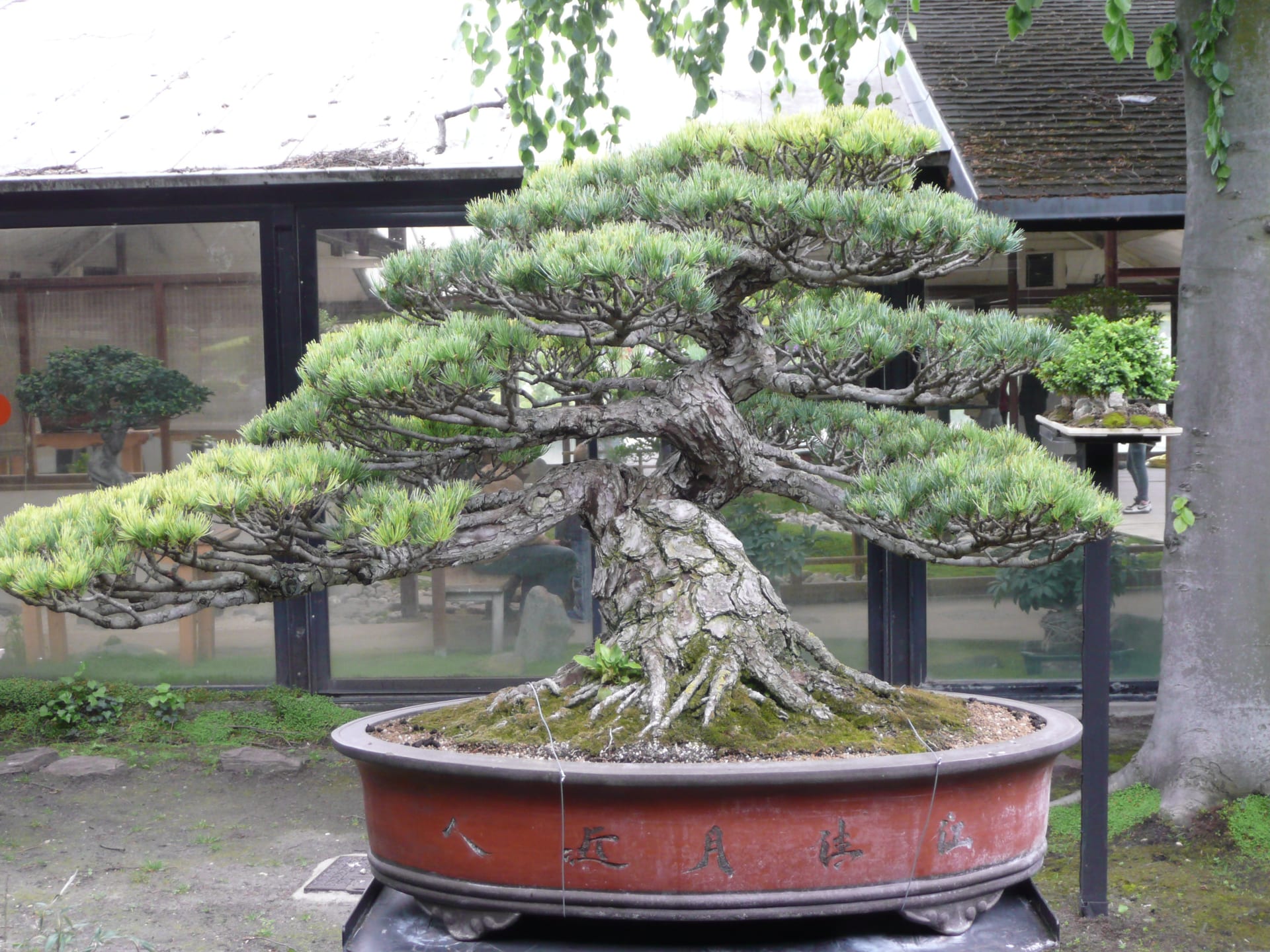
Kishu shimpaku is the trade name for the strain of Miyama-byakushin—called shimpaku in bonsai—sold as coming from Kishu. It is a regional strain name, not a registered cultivar. Miyama-byakushin is a variety of Chinese juniper (Juniperus chinensis) found on high-mountain rocks and coasts from Hokkaido to Yakushima; its trunk twists and its foliage is dense. In bonsai, shimpaku is prized for short, tight, cord-like scale foliage and a tough trunk that survives on a thin live vein, with deadwood (jin and shari) a key feature. Shimpaku is traded under regional names such as Itoigawa, Shikoku, Hokkaido and Kurobe. A bonsai guide calls fine-leaved, finely branching Itoigawa the 'king of shimpaku', while noting that Kishu stock has slightly thicker, darker green foliage and, like Hokkaido stock, has been widely grown. Foliage thickness and colour are the practical way to tell it from Itoigawa. Because it is sold by region, traits vary and are not guaranteed, so choose by the foliage in front of you. Once mostly wild-collected, material is now mainly grown from cuttings.
Size of the Kishu shimpaku juniper
The Kishu shimpaku juniper grows to Miyama-byakushin grows about 30–60 cm with sprawling trunks; bonsai range from small to large.
Basic Info
Origin
Japan (named for Kishu; Miyama-byakushin grows on mountains and coasts from Hokkaido to Yakushima)
Lifespan
A long-lived tree; little data specific to this strain
Size
Miyama-byakushin grows about 30–60 cm with sprawling trunks; bonsai range from small to large
Temperature
-5〜35℃
Watering & Fertilizer
Fertilizer (spring to autumn, sparingly)
Growing Tips
Light & placement
An alpine plant needing full sun and airflow; even in midsummer give full sun without shading for tight foliage (protect minis and weak trees)
Watering
Water thoroughly once the pot dries inside: twice daily in spring/autumn, 2–3 times in summer, every 2–3 days in winter. Morning and evening misting helps
Temperature & overwintering
Very hardy. Let it take 2–3 frosts, then shelter it from cold drying wind under the bench. Frost may briefly brown the foliage
Soil & repotting
Free-draining akadama with 30–40% grit or river sand. Repot mid-March to mid-April or late Aug–Sept: every 1–2 years when young, 2–3 when mature
Fertilizer
Slow-release organic fertilizer, sparingly—overfeeding causes leggy growth and spiky juvenile 'needle' foliage
Pruning & styling
Pinch new growth by hand May–Oct and thin when crowded. Wire late Sept–early Dec and mid-Feb–Mar. Deadwood (jin/shari) shapes the design
Pests & cautions
Tough, but weakened trees can get rust—keep them away from pears and other rose-family hosts. Traits vary under a regional name. It is native—buy cutting-grown stock, not wild-dug trees
Kishu shimpaku juniper FAQ
QWhat is the growing difficulty level for Kishu shimpaku juniper?
Beginner. A variety suitable for beginners. No special equipment or experience is required—you can grow it without problems by setting up a basic cultivation environment.
QHow large does Kishu shimpaku juniper get?
The mature size of Kishu shimpaku juniper is Miyama-byakushin grows about 30–60 cm with sprawling trunks; bonsai range from small to large. This may vary slightly depending on cultivation environment and individual differences.
QHow should I water and fertilize Kishu shimpaku juniper?
Kishu shimpaku juniper: watering & fertilizer — Fertilizer (spring to autumn, sparingly). Aim for appropriate frequency and amount.
QWhat is the typical price for Kishu shimpaku juniper?
The price of Kishu shimpaku juniper varies significantly by variety, characteristics, size, and lineage. Please check GrowerDirect's price guide for the latest market information.
Last updated: September 23, 2026
References & Sources
Edited & verified by: GrowerDirect Editorial Team
The classifications, regulations, and growing data on this page are created and verified based on the primary information database below.
Taxonomy & Authority
Accepted name: Juniperus chinensis 'Kishu' L.
Authority databases: GBIF · GBIF · GBIF: Juniperus chinensis var. sargentii(ミヤマビャクシン)
Nomenclature follows global taxonomic authority databases.
Regulations & Conservation Status
Not listed by CITES and not regulated for domestic sale. 'Kishu shimpaku' is a regional strain name, not a variety registered under the Plant Variety Protection Act (no Juniperus entry for 'Kishu' in the MAFF database, checked Sept 2026). Choose cutting-grown plants rather than wild-collected ones.
Sources: Species+ (CITES listing search) / MAFF Plant Variety Registration Database
Regulations may change. Always verify the latest information with the relevant authorities.
Related Species
Find listings for this species
Related Articles
Care Guide for True Myrtle and Chinese Juniper Bonsai | Shari-Jin Technique and Complete Management
A detailed guide to caring for true myrtle (Shinpaku) and Chinese juniper (Tosho), two of the most representative evergreen conifer bonsai. We introduce the creation of Shari-Jin techniques and lime-sulfur treatment, wiring and shaping, and seasonal management tips.
Bonsai Aged Wood Techniques | Creating Branch Aging Expression and Tree Age Aesthetics
Explains techniques for creating bonsai that appear aged from young stock. Introduces practical methods for expressing tree age aesthetics, from bark texture and branch structure to root development expression and changes over time.
How to Prevent Fertilizer Burn in Bonsai | Determining the Right Fertilizer Amount and Concentration
Why does fertilizer burn occur in bonsai? This explains the mechanism of osmotic pressure, how to identify early symptoms such as browning of leaf tips, why it occurs easily in midsummer and right after repotting, and emergency measures and preventive strategies.
A Guide to Giving Bonsai as Gifts | Appropriate Species and Etiquette for Longevity Celebrations and Business Opening Celebrations
This guide explains how to choose bonsai species and proper etiquette when giving bonsai as gifts for celebrations. It introduces recommended species for different occasions such as longevity celebrations and business opening celebrations, as well as how to choose species while considering management requirements.
🩺 Common diseases
Can't find the plant you're looking for?
Post your wishes for free and growers with matching plants will contact you with introductions.