Orchid Encyclopedia
Encyclopedia of popular orchid species with care guides, traits, and flowering tips.
Showing 6 of 140 species
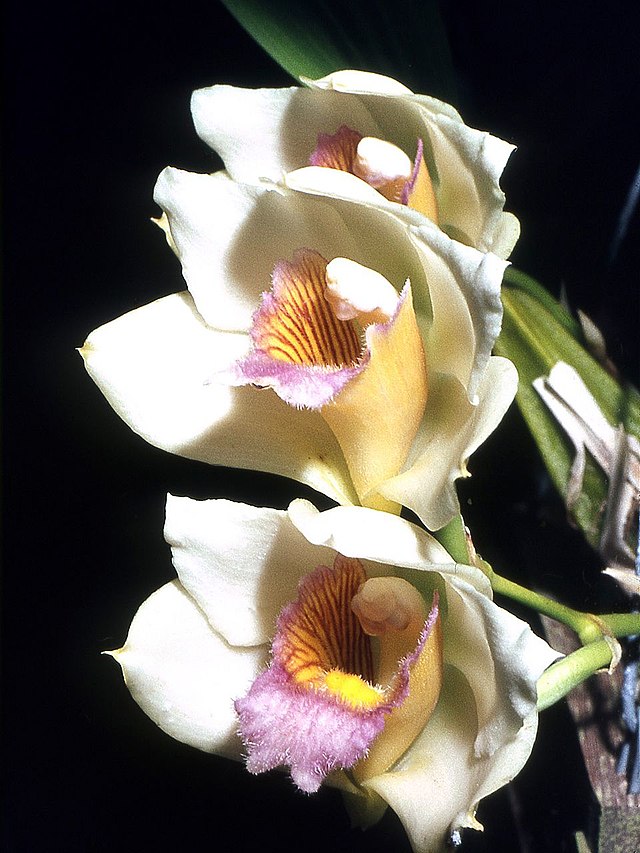 © Orchi / CC BY-SA 3.0
Bifrenaria
A hardy Brazilian orchid with large waxy fragrant flowers, easy for beginners.
OrchidBifrenariaHardy
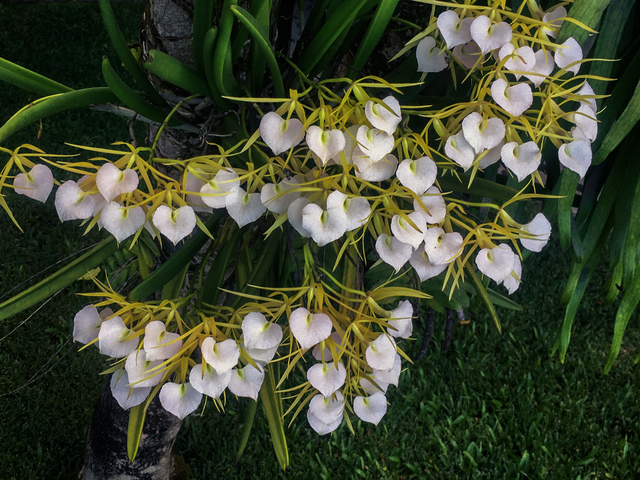 © Gaussian_venation / CC BY-SA 4.0
Brassavola
An epiphytic orchid with intensely fragrant white flowers at night, known as Lady of the Night.
OrchidBrassavolaFragrant
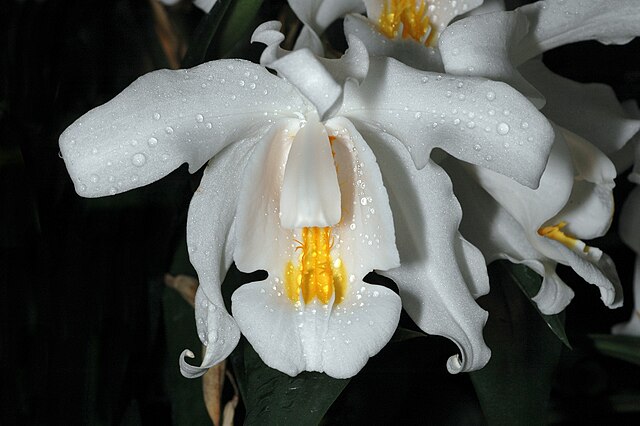 © Eric in SF / CC BY-SA 3.0
Coelogyne
A hardy epiphytic orchid with white fragrant flowers and beautiful pendant flower spikes.
OrchidCoelogyneWhite
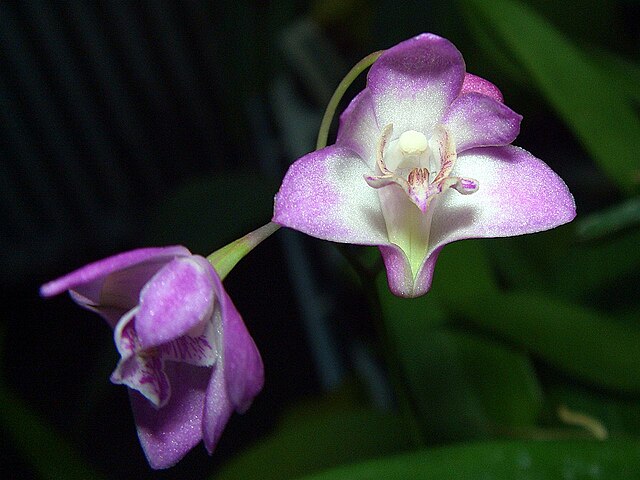 © Orchi / CC BY-SA 3.0
Dendrobium Kingianum
Dendrobium kingianum
A hardy small Dendrobium from Australia with pink fragrant flower spikes.
OrchidDendrobiumHardy
 © No machine-readable author provided. Javier martin assumed (based on copyright claims). / CC BY-SA 3.0
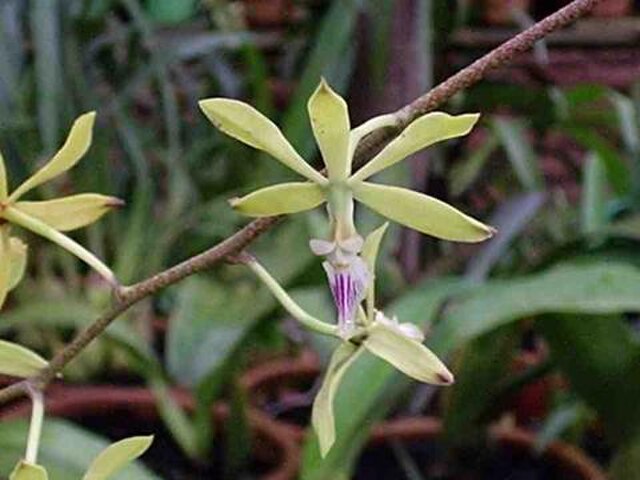
Encyclia
An epiphytic orchid with octopus-like petals, hardy and easy to grow with many fragrant species.
OrchidEncycliaHardy
 © KENPEI / CC BY-SA 3.0
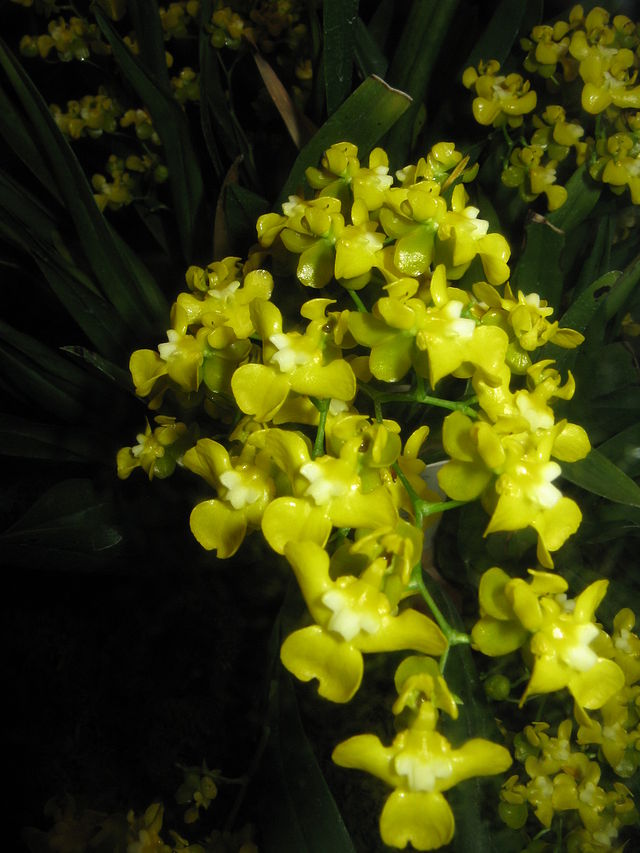
Oncidium Twinkle
Oncidium Twinkle
A compact Oncidium hybrid with vanilla scent and many cute small flowers, easy for beginners.
OrchidOncidiumFragrant
Related Content
Orchid FAQ
- How much do orchids cost?
- Mini Phalaenopsis cost 1,000-5,000 yen, large Phalaenopsis 5,000-30,000 yen, Cattleya 3,000-20,000 yen, and rare species orchids tens of thousands of yen depending on type and size.
- Can beginners grow orchids?
- Phalaenopsis and Dendrobium are easy to manage indoors and recommended for beginners. Place in bright indirect light and water when the moss dries out for long-lasting blooms.
- How long do orchids live?
- With proper care, orchids can be grown for decades. Phalaenopsis bloom annually and can be propagated by division. Many enthusiasts have plants over 10 years old.
- What should I check when buying orchids?
- Check that roots are green and healthy, leaves are firm, and there are no disease spots. Choosing a blooming plant helps you see what to expect and is easier for beginners.
- How do I get orchids to rebloom?
- Cut the flower spike above a node after blooming and keep in bright shade. A day-night temperature difference in autumn encourages flower spike formation. Consistent fertilizing and watering are key.