Orchid Encyclopedia
Encyclopedia of popular orchid species with care guides, traits, and flowering tips.
Showing 4 of 140 species
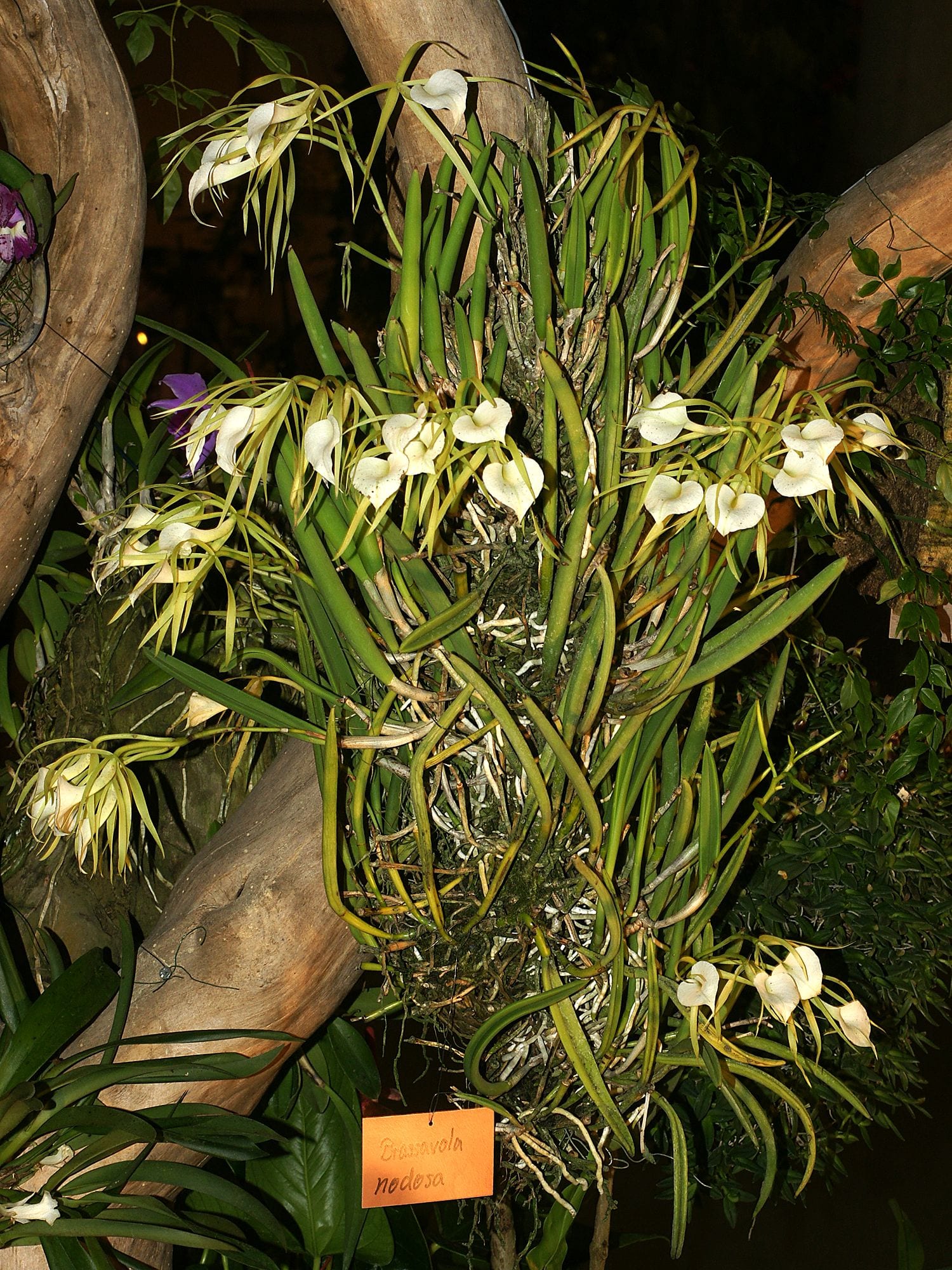 © Orchi / CC BY-SA 3.0
Lady of the Night
Brassavola nodosa
A tough epiphytic orchid with slender, rod-like leaves and flowers that pair narrow yellow-green sepals with a broad, heart-shaped white lip. Its strong citrus-like night scent earns it the name lady of the night.
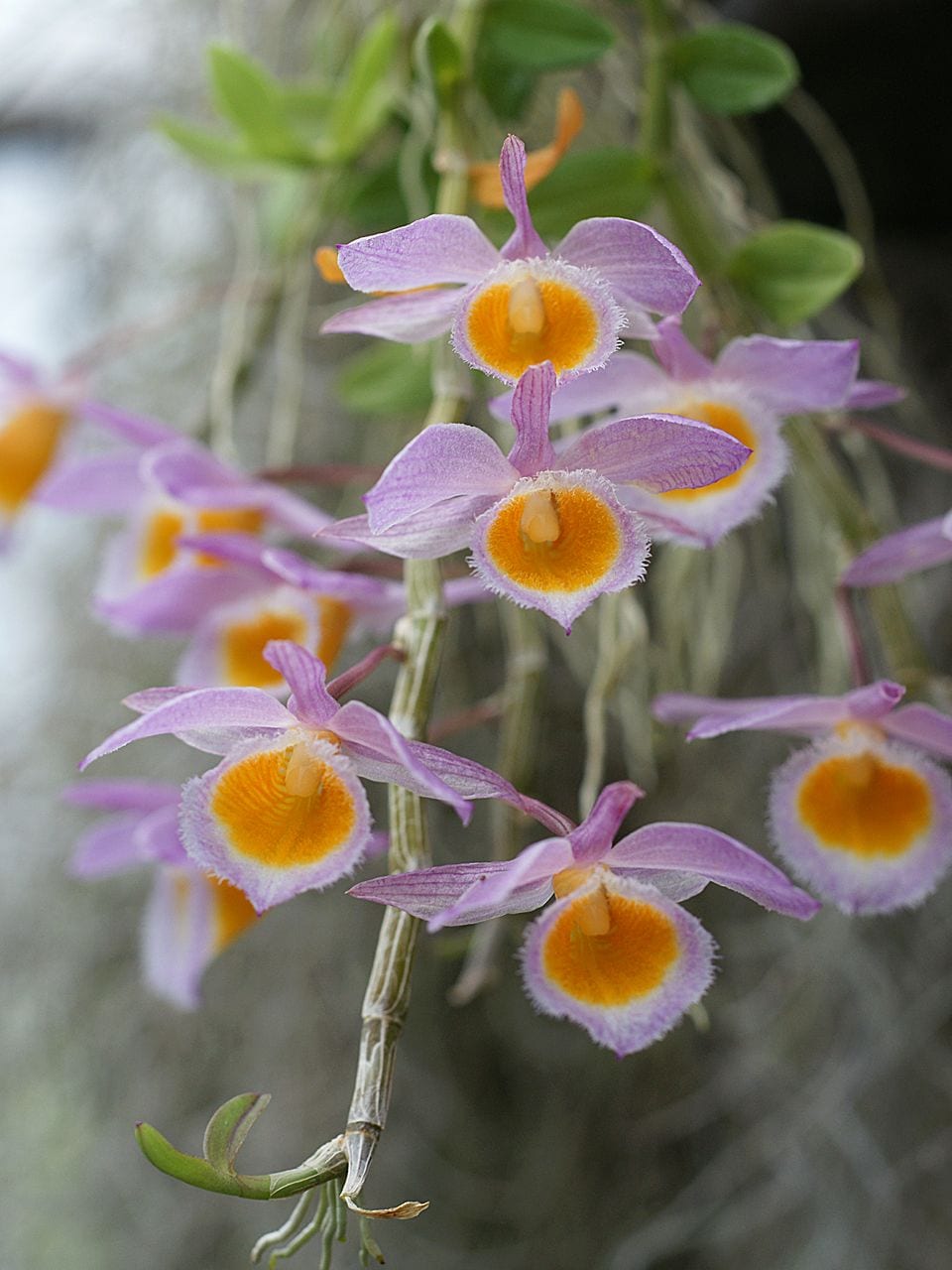 © Orchi / CC BY-SA 3.0
Loddiges' Dendrobium
Dendrobium loddigesii
A small Dendrobium whose slender stems hang and spread. Single fragrant flowers with pale lilac petals and a reddish-orange lip appear at the nodes of leafless stems. It is tough and multiplies readily.
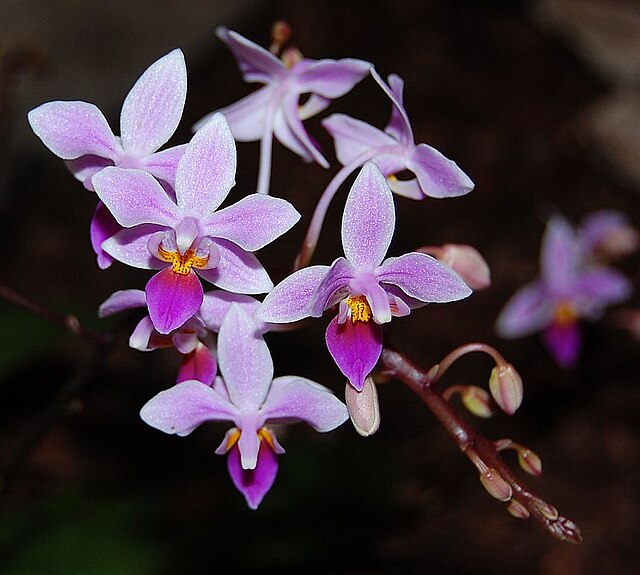 © AtonX / CC BY-SA 3.0
Phalaenopsis Equestris
Phalaenopsis equestris
A small Philippine species Phalaenopsis that branches and blooms with small flowers for a long period.
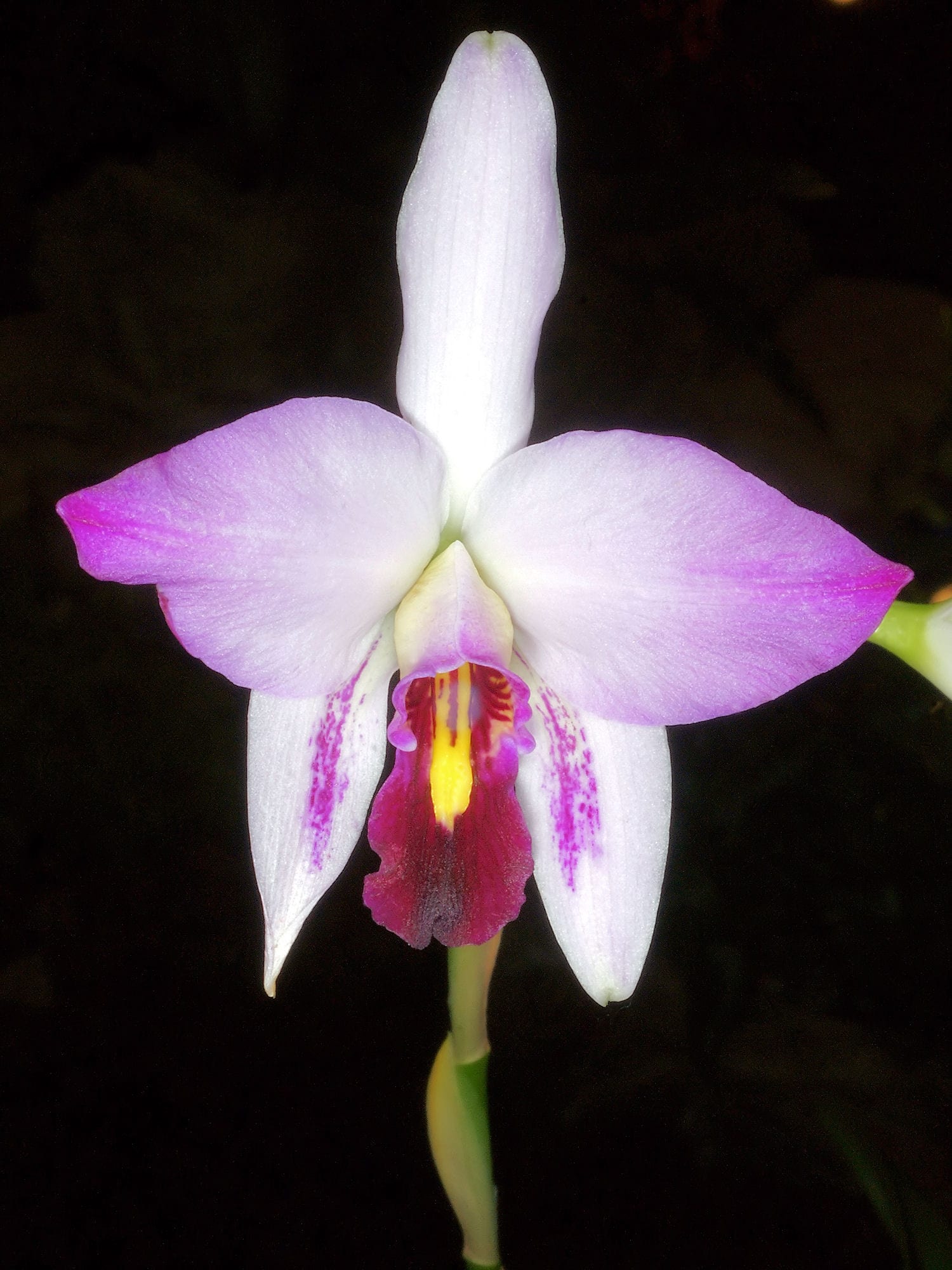 © Orchi / CC BY-SA 3.0
Two-edged Laelia
Laelia anceps
A Mexican Laelia that holds several large flowers with pale lavender petals and a deep crimson lip at the top of stems over 60 cm long. Hardy to drought and cold, it is a tough winter-flowering species.
Related Content
Orchid FAQ
- How much do orchids cost?
- Mini Phalaenopsis cost 1,000-5,000 yen, large Phalaenopsis 5,000-30,000 yen, Cattleya 3,000-20,000 yen, and rare species orchids tens of thousands of yen depending on type and size.
- Can beginners grow orchids?
- Phalaenopsis and Dendrobium are easy to manage indoors and recommended for beginners. Place in bright indirect light and water when the moss dries out for long-lasting blooms.
- How long do orchids live?
- With proper care, orchids can be grown for decades. Phalaenopsis bloom annually and can be propagated by division. Many enthusiasts have plants over 10 years old.
- What should I check when buying orchids?
- Check that roots are green and healthy, leaves are firm, and there are no disease spots. Choosing a blooming plant helps you see what to expect and is easier for beginners.
- How do I get orchids to rebloom?
- Cut the flower spike above a node after blooming and keep in bright shade. A day-night temperature difference in autumn encourages flower spike formation. Consistent fertilizing and watering are key.