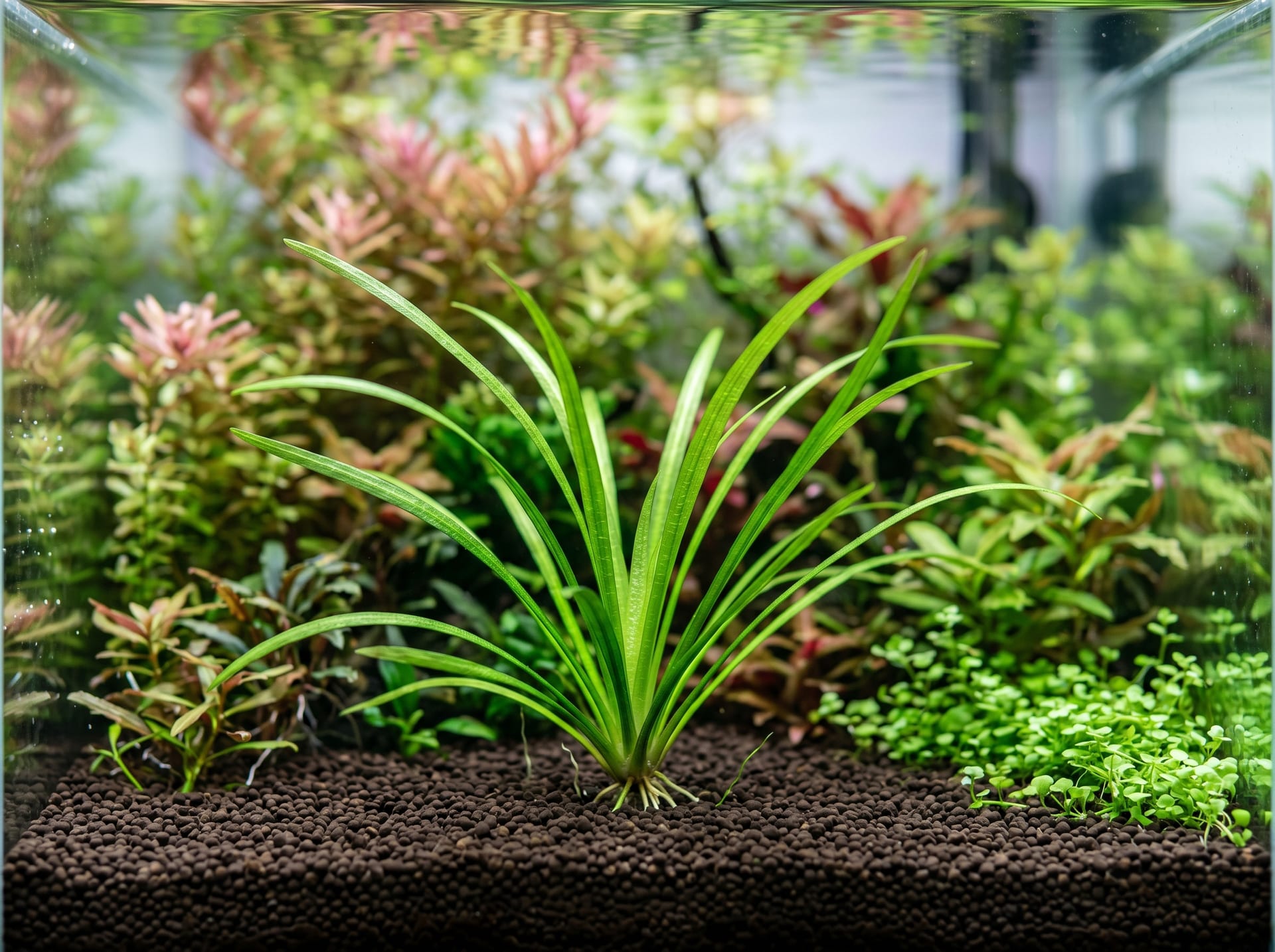
Leaf Melting / Emersed-to-Submersed Transition Failure
🔎 按症状查找
关于这种疾病
A phenomenon in which leaves dissolve and disintegrate shortly after purchase or following water quality changes. It can be triggered by the physiological transition from emersed to submersed leaves, or by sudden changes in environmental conditions.
主要症状
- Leaves turn yellow to transparent and dissolve or disintegrate
- Leaf tissue softens and crumbles apart
- Leaf count decreases rapidly without new growth appearing
- Stems may remain bare after all leaves are lost
主要原因
- Physiological leaf replacement during transition from emersed to submersed growth
- Sudden changes in water temperature, pH, or hardness
- Oxygen deficiency or anaerobic conditions in the substrate or water column
- Stress from transport or influence of pathogenic bacteria
预防(栽培环境与日常管理)
Check whether plants are emersed or submersed grown at the time of purchase, and allow an acclimation period in a treatment tank to avoid sudden environmental changes. Maintaining stable lighting, CO2, and water change routines reduces the risk of melting.
相关图鉴
→ 查看该动物的品种图鉴就医建议
建议几天内处理专卖店·园艺可做的处理?
Aquatic plant specialty stores can determine through water quality assessment whether melting is due to natural emersed-to-submersed leaf transition or water quality issues, and can provide specific advice on temperature, pH adjustment, and substrate improvement, as well as guidance on acclimation methods.
相关专栏
- How to Cultivate Rotala and Bring Out Beautiful Red Color | Lighting, CO2, and Trimming Techniques to Achieve Vibrant Red
- Rare Rhizophytic Aquatic Plants Beyond Anubias, Bucephalandra, and Willow Moss | The Appeal of Distinctive Varieties Such as Bolbitis
- Aquarium Water Quality Adjustment and CO2 Supplementation | How Hardness, pH, and CO2 Affect Aquatic Plant Color and Growth Rate
- Tissue-Cultured Aquatic Plants vs. Regular Aquatic Plants: Pesticide Risk Comparison | Choosing Safe Plants for Shrimp Tanks