© S.Tanaka / CC BY-SA 3.0前 3 筆銷售免佣金!於2026年8月31日前登記生產者→前3筆成交的手續費免費!
栽培者 招募中!
在 ボタちょく 上架,直接銷售給全國的客戶吧!
ボタちょく承諾的 6 項透明性重點
在水草出品中,栽培者會清楚標示以下資訊。確保品種、產地、所需光照、栽培難度的透明度。
- 品種標示
- 實物照片
- 色澤
- 產地標示
- 所需光照
- 難度標示
Explore the plant encyclopedia
關於aquatic plant
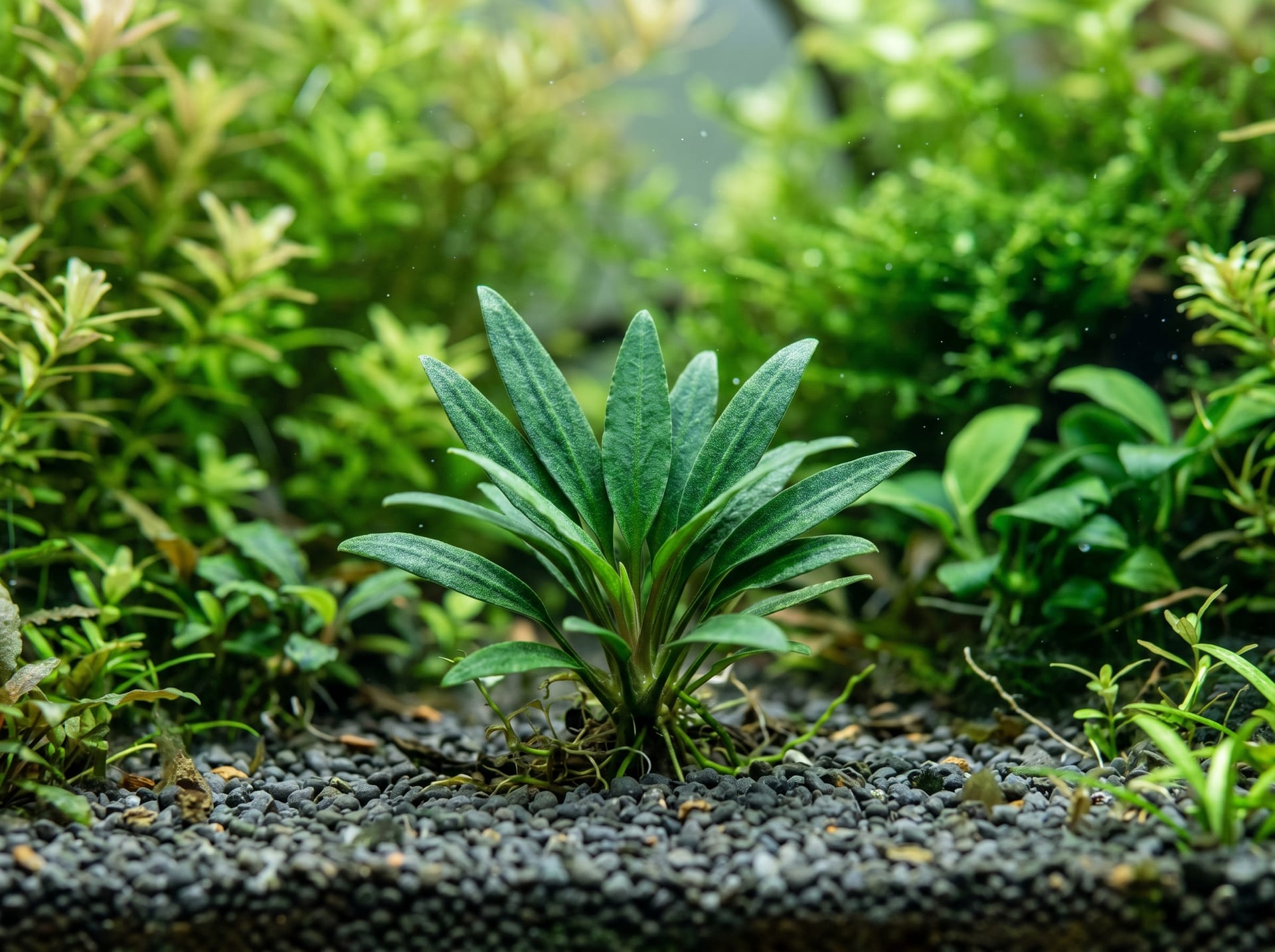
The aquatic plant category on Bree-Choku lets you welcome a wide range of plants — stem plants, rosettes, foreground species, and mosses — directly from the farms that grew them. With few steps in distribution, you can check the size, leaf condition, and growing conditions such as whether pesticides were used. Choose a plant that matches your tank lighting and whether you add CO2, and that fits your layout vision.
開始照料aquatic plant前需要了解的7件事
1Lighting and CO2 shape how easy growth will be
Aquatic plants grow through photosynthesis, so light intensity and photoperiod strongly affect growth. Many foreground species and red stem plants prefer strong light and added CO2, while mosses and low-light species manage with weaker light. Before buying, confirm the plant suits the equipment you already have.
2Choose the substrate and planting method
Rooted plants do well in nutrient-rich aquasoil, while plants that attach are tied to driftwood or stone with plant ties. Suitable substrate and planting differ by species, so understand the plants in your layout and plan the substrate from the setup stage to reduce failures.
3Plan algae control before you add plants
Algae appear easily when the balance of nutrients and light breaks down — too much light, excess fertilizer, or too little CO2. Healthy, growing plants suppress algae, so combine controlled lighting hours, water changes, and algae-eating animals to prevent it.
4Trim regularly to keep plants healthy
When stem plants grow tall, light no longer reaches the lower leaves and they deteriorate. Cutting back and replanting tops keeps growth dense and attractive. Foreground plants also lift off when overgrown, so steady trimming at each species' pace supports healthy growth.
5Check pesticide use and compatibility with shrimp
Commercial aquatic plants are sometimes treated with pesticides against pests, which can harm invertebrates such as freshwater shrimp. For a shrimp tank, choose pesticide-free plants or rinse them well. It helps to ask the grower about how the plants were cultivated.
6Understand submerged and emersed leaves
Many aquatic plants are grown emersed before shipping and adapt by switching to submerged leaves once in the tank. Old leaves melting right after introduction is often fine if new shoots appear. Expect the transition to take time and watch calmly rather than rushing.
7Confirm the plant's condition and growing environment with the grower
On Bree-Choku you welcome plants directly from growing farms, so you can ask the seller about volume, leaf damage, snails, and whether the plant is pesticide-free. Knowing the environment a plant was raised in makes adapting it to your own tank smoother.
aquatic plant的常見問題
- Q.Are there aquatic plants that are easy for beginners?
- A.Low-light plants such as Anubias, Microsorum, and mosses grow well without strong light or added CO2 and are considered beginner-friendly. Start with hardy species and move to more demanding plants once you are used to the equipment.
- Q.Is adding CO2 required?
- A.It is not required. Low-light and slow-growing species do fine without it. However, adding CO2 helps grow foreground plants and red stem plants beautifully, so decide based on the plants you want to keep.
- Q.The leaves of my plant melted after it arrived.
- A.Old leaves often melt as a plant transitions from emersed to submerged growth. New shoots or roots are a sign of adaptation, so keep lighting and water quality steady and watch how it progresses.
- Q.Can I add plants to a tank with shrimp?
- A.It is fine, but pesticide residue on plants can harm shrimp. Choose plants labeled pesticide-free or rinse them well before adding. It is reassuring if you can confirm the cultivation method with the grower.
- Q.Algae grows easily — how can I control it?
- A.Algae appears more easily with overly long lighting or excess fertilizer. Review your photoperiod, change water regularly, and add algae-eating animals — combining several measures works best.
aquatic plant栽培的實用工具
aquatic plant相關專欄
How to Grow Lotus (Nelumbo) | A Guide to Growing Ornamental Lotus in Pots as an Aquatic Plant
Learn the essentials of growing lotus in pots: planting timing, soil selection, sunlight, water depth, fertilization, and division techniques—all explained with comparisons to water lilies.
How to Grow Water Lilies (Nymphaea) | Cultivating Aquatic Plants in Pots and Biotopes
From planting season and soil selection to light, water depth, fertilizing, and division—we explain the fundamentals of growing water lilies reliably in both potted and biotope settings.
Beginner-Friendly Aquatic Plants Without CO2 Supplementation | Cultivation Conditions and Tank Layout Strategies
You can create a beautiful aquarium without expensive CO2 equipment. This guide explains practical methods for selecting CO2-free aquatic plants that beginners can successfully grow, from cultivation conditions to tank layout strategies.
Ludwigia (Ludwigia aquatic plants) cultivation techniques | Cultivation management to bring out beautiful red coloring
To bring out Ludwigia's red-purple coloration, strong light, CO2 supply, and iron fertilizer are essential. Cultivation techniques for popular red aquatic plants.
How to Cultivate Rotala and Bring Out Beautiful Red Color | Lighting, CO2, and Trimming Techniques to Achieve Vibrant Red
This guide explains the Rotala genus, popular in aquatic plant layouts, covering light intensity, CO2, and fertilizer management to bring out red coloration, as well as trimming techniques for maintaining beautiful, dense growth.
Rare Rhizophytic Aquatic Plants Beyond Anubias, Bucephalandra, and Willow Moss | The Appeal of Distinctive Varieties Such as Bolbitis
Beyond the standard rhizophytic aquatic plants Anubias, Bucephalandra, and Willow Moss, there are distinctive rhizophytic species such as Bolbitis. This article explores their appeal, cultivation tips, and how to incorporate them into your layout.