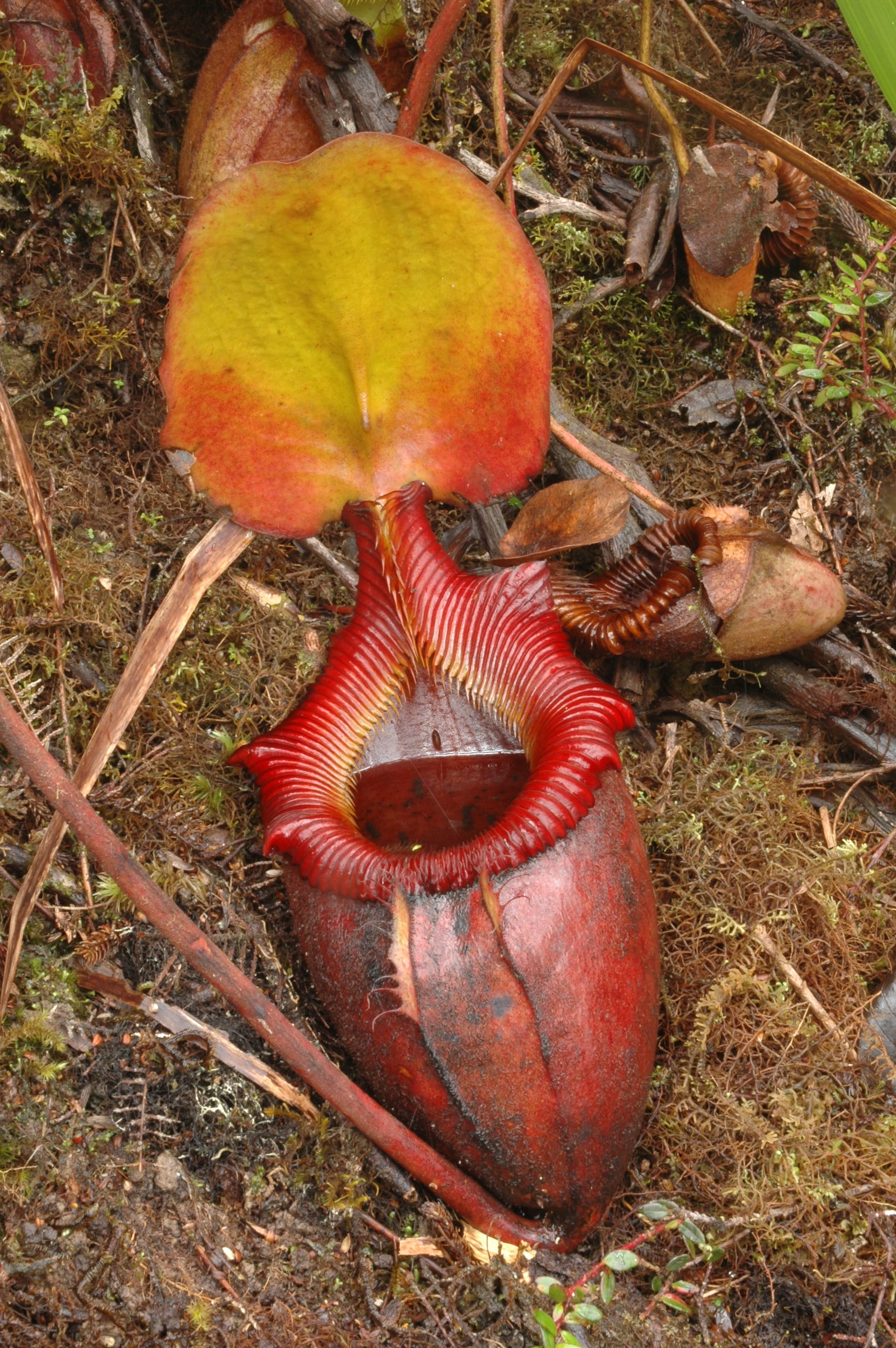
 © JeremiahsCPs (English Wikipedia) / CC BY-SA 3.0
基那巴盧豬籠草(Nepenthes × kinabaluensis)
Nepenthes × kinabaluensis is a highland carnivorous plant found only around Mount Kinabalu in Borneo. It's a natural hybrid between the bold, large-pitchered N. rajah and the more delicate N. villosa, producing pitchers with a form intermediate between its two parents. It's a perennial vine that keeps growing and climbing over many years, and its pitcher rims carry a row of long, tooth-like ridges that give it a distinctive look. It's also known for readily producing upper pitchers, a trait it shows even more than its parents. Because it needs cool, high-altitude conditions to thrive, it's generally considered a plant for experienced growers — but a rewarding one for those ready for the challenge.
View 基那巴盧豬籠草(Nepenthes × kinabaluensis) encyclopedia →成交手續費 0%!2026年9月30日前註冊,前 2 株免佣金!
生產者 招募中!
在 GrowerDirect 上架,直接銷售給全國的客戶吧!
GrowerDirect承諾的 6 項透明性重點
在食蟲植物出品時,生產者將透明標示以下資訊。保證品種、產地、光照需求、栽培難度的透明度。
- 品種標示
- 實物照片
- 色澤
- 產地標示
- 光照需求
- 難度標示
查看全部145個品種
基那巴盧豬籠草(Nepenthes × kinabaluensis)的基本資料
- 栽培難度
- 適合高級者
- 壽命
- 多年生(藤本)
- 體型
- 體型資料較少(捕蟲袋比絨毛豬籠草較大)
- 澆水
- 施肥應極其稀薄謹慎(主要靠捕捉昆蟲獲得養分)
- 溫度·越冬
- 作為高地性物種,長期養殖需要夜間溫度下降。日本的夏季夜溫過高是最大的挑戰。
- 光照·放置位置
- 喜歡明亮的光線,但盛夏強烈的直射日光會導致葉片曬傷。應放在明亮的半陰處,保持溼度的環境中。
- 浇水
- 使用雨水或低礦物質含量的水,在培養土完全乾燥前澆水。不要讓承托盤長期積水,避免根部腐爛。
- 培養土·換盆
- 使用排水和通氣良好的培養土。常用水苔單獨使用,或將水苔和珍珠岩混入蘭花專用培養土。
- 肥料
- 若使用化學肥料應極其稀薄。偶爾在捕蟲袋中放入昆蟲就足以維持生長。
- 病蟲害·注意事項
- 該雜交種生長於海拔3000m左右的高山,特別怕炎熱。適合具有空調或冷卻設備、可降低夏季夜溫的環境。
關於基那巴盧豬籠草(Nepenthes × kinabaluensis)
A natural Nepenthes hybrid of N. rajah and N. villosa, found only around Mount Kinabalu, Borneo. This perennial vine produces pitchers intermediate between its parents and readily forms upper pitchers; best suited to experienced growers.
開始照料基那巴盧豬籠草(Nepenthes × kinabaluensis)前需要了解的7件事
1Needs a Day-Night Swing
As a hybrid native to the highlands of Mount Kinabalu, this plant thrives where cool nights contrast with mild days. It tends to weaken under prolonged summer heat, so placing it somewhere cool and well-ventilated is the first step to successful care.
2Prefers High Humidity
In its native habitat, mist and fog are common, so this plant favors humid air. In dry indoor environments the pitchers may not develop well, so using a humidifier or a nearby water tray can help maintain adequate humidity.
3Water with Soft Water
Like most nepenthes, it dislikes the mineral content in tap water, so watering with rainwater, softened water, or RO water is standard practice. Keep the growing medium consistently moist, but avoid waterlogging that can lead to root rot.
4Use Well-Draining Media
A mix of sphagnum moss, perlite, and pumice that balances drainage with moisture retention suits this plant well. Nutrient-rich soil can damage the roots, so it's important to choose a low-fertility medium made for nepenthes.
5Repot with Care for Roots
The roots are fine and easily damaged, so repot during active growth and handle the root ball gently without breaking it apart too much. After repotting, keep the plant out of direct sun and dry air until the roots settle in.
6Summer Is the Biggest Challenge
As a highland species, it struggles most during Japan's hot, humid summers. Using air conditioning or improving ventilation to keep at least the nights cool is key to helping it get through the season.
7Choose by Plant Health
There isn't much documented data on the typical size of N. × kinabaluensis, and pitcher size varies between individual plants. When choosing one, it's best to focus on overall health — root development, leaf condition, and vine vigor — rather than size alone.
基那巴盧豬籠草(Nepenthes × kinabaluensis)的常見問題
- Q.Can beginners grow this plant?
- A.N. × kinabaluensis is generally considered suitable for experienced growers. It requires consistently cool, humid conditions, so it's best to gain experience with other Nepenthes species before taking this one on.
- Q.What kind of soil or medium should I use?
- A.A mix of sphagnum moss, perlite, and pumice that balances drainage and moisture retention works well. Avoid standard nutrient-rich potting soil, as it can damage the roots.
- Q.How large does this plant typically grow?
- A.There isn't much detailed data on its typical size, but the pitchers are said to grow larger than those of its parent N. villosa. Growth varies with conditions and between individual plants, so treat this as a general guide rather than a fixed figure.
- Q.What is an "upper pitcher"?
- A.As the vine grows taller, the pitchers that form higher up are called "upper pitchers," while those near the base are "lower pitchers." This highland hybrid tends to produce upper pitchers more readily than either of its parent species.
- Q.How can I help it survive a Japanese summer?
- A.As a highland species, it's especially vulnerable during hot, humid summers. Using air conditioning or better ventilation to cool things down, even just at night, is key to helping it get through the season.
基那巴盧豬籠草(Nepenthes × kinabaluensis)栽培的實用工具
在圖鑑中詳細了解基那巴盧豬籠草(Nepenthes × kinabaluensis)
查看基那巴盧豬籠草(Nepenthes × kinabaluensis)的圖鑑條目 →
收錄栽培難度、尺寸、原產地、日照等基礎資料。