 © Krzysztof Ziarnek, Kenraiz / CC BY-SA 4.0
亞樹蘭
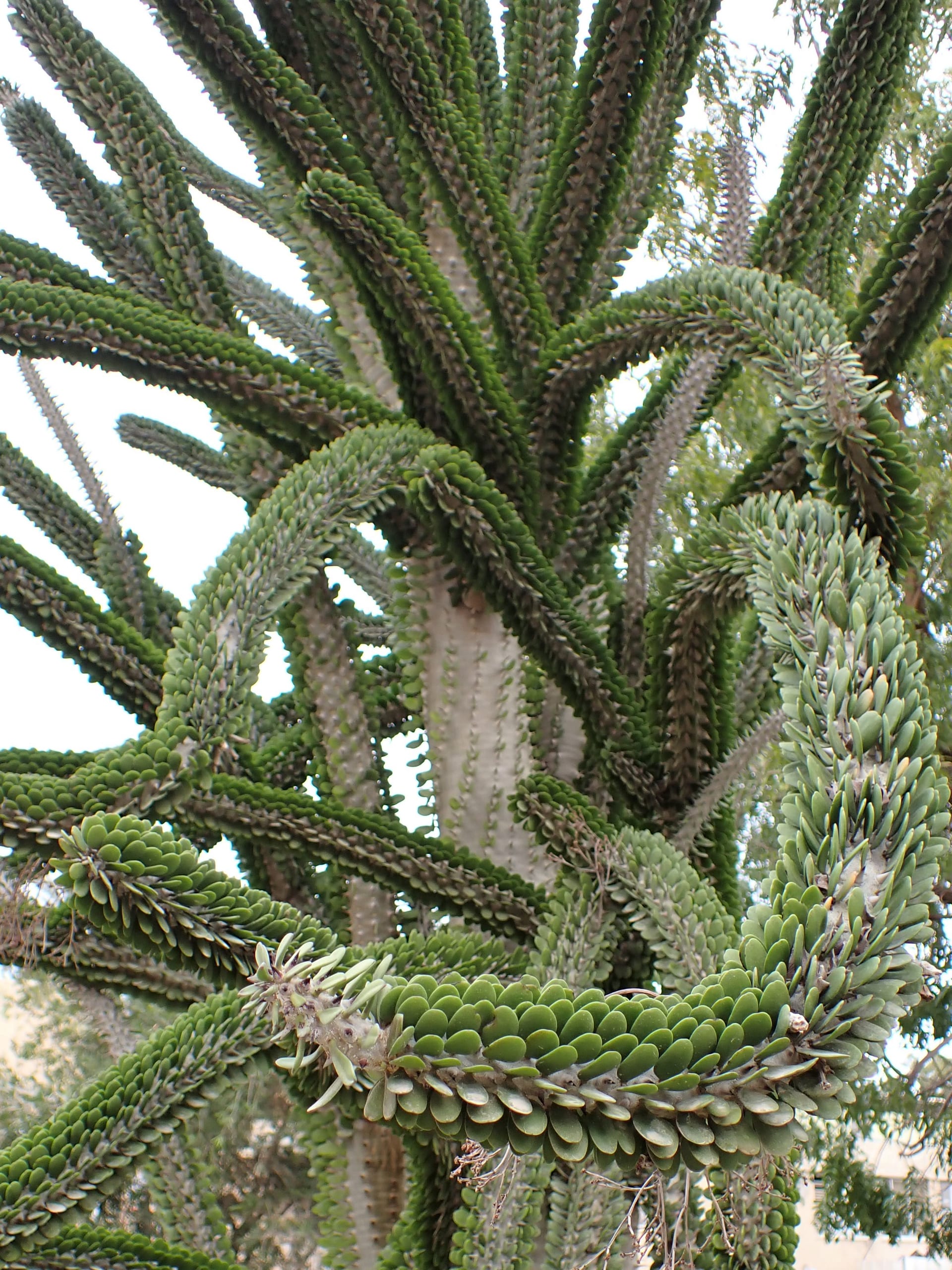
Alluaudia procera, known as the Madagascar ocotillo, is a succulent tree from the spiny forests of southern Madagascar. Its bone-white trunk is lined with sharp spines and rows of tiny round leaves, giving it a striking, sculptural look. It closely resembles the North American ocotillo, but the two belong to distantly related plant families. It is considered beginner-friendly, and with good light and free-draining soil it is easy to keep. In the wild it can top 15 m, and even as an indoor potted plant it reaches 1.5 to 3 m, so plan for its height and space before you bring one home.
View 亞樹蘭 encyclopedia →成交手續費 0%!2026年9月30日前註冊,前 2 株免佣金!
生產者 招募中!
在 GrowerDirect 上架,直接銷售給全國的客戶吧!
GrowerDirect承諾的 6 項透明性重點
塊根植物上架時生產者會明確標示以下資訊。確保品種、產地、光照需求、栽培難度的透明度。
- 品種標示
- 實物照片
- 色澤
- 產地標示
- 光照需求
- 難度標示
查看全部146個品種
塊根植物分類正在招募認證生產者
生產者正在陸續註冊,即將上架。設定上架通知,不錯過新商品。
「接收上架通知」需免費註冊會員即可設定。當有符合您儲存條件的新商品上架時,我們會以郵件和站內通知提醒您。
已註冊的生產者(搶先看)
亞樹蘭的基本資料
- 栽培難度
- 適合新手
- 壽命
- 長壽命木本(生命期資料極少)
- 體型
- 自生地高度15公尺以上。室內盆栽為1.5~3公尺
- 適宜溫度
- 20〜30℃
- 澆水
- 生育期內給予比標準濃度更稀薄的肥料
- 光照與放置位置
- 放置在直射日光充足或室內極度明亮的地點,並保持良好通風。
- 澆水
- 澆水後待培養土完全乾燥才進行下次澆水。
- 溫度與越冬
- 室內適溫為20~30℃,冬季約10℃為目標。已生根的株隻耐受性可達0℃左右,但須避免霜害。冬季落葉後不澆水。
- 培養土與換盆
- 使用排水性極佳的培養土。施肥時應比標準濃度稀薄許多。
- 修剪與整形
- 本種不易分枝。換盆後根系穩定後,切回至高度7~10公分可增加分枝數。切下的枝條可用於扦插。
- 繁殖方法
- 春季用扦插法可輕易繁殖。若能取得種子亦可進行實生。
- 病蟲害與注意事項
- 莖上的棘刺銳利,換盆或修剪時應戴厚手套。
關於亞樹蘭
Alluaudia procera, the Madagascar ocotillo: a beginner-friendly spiny succulent tree with a pale trunk and small round leaves. Care tips inside.
開始照料亞樹蘭前需要了解的7件事
1Give it plenty of sun
It comes from sunny, dry spiny forest in southern Madagascar. Put it in full sun outdoors, or by the brightest window indoors. With too little light the stem stretches and loses its compact, sculptural shape.
2Water deeply, then dry out
Check that the soil is dry all the way through, then water until it runs out of the drainage holes. Empty the saucer and never leave the soil constantly wet, which is the main cause of root rot. The plant may drop leaves in dry spells, so if the foliage thins, check the firmness of the trunk rather than panicking.
3Free-draining soil
Mix extra pumice or similar gritty material into a commercial cactus and succulent mix to improve drainage. Because this tree grows tall, choose a heavy, stable pot that will not tip over easily.
4Repot in the growing season
When the roots fill the pot and water drains slowly, move the plant to a slightly larger pot during the warm growing season. You do not need to repot often, only when it shows signs of being root-bound. The spines are sharp, so wear thick gloves while you work.
5Keep it drier in winter
Growth slows when temperatures drop, so water less often and keep the soil on the dry side. Keep it away from frost and cold wind, and bring it into a warm room before the cold arrives. It may drop its leaves and rest in cool weather, and new leaves often appear once it warms up again.
6Plan for its height
In the wild it grows over 15 m, and as an indoor potted plant it reaches 1.5 to 3 m. Think about ceiling height and floor space before you buy. The spines are sharp, so avoid walkways and spots within reach of children or pets.
7How to choose a plant
Look for a firm, taut trunk with no soft spots when pressed. A steady base and spines and leaves with little damage or discoloration are also good signs. Check the trunk and overall size in the listing photos, and message the grower if anything is unclear.
亞樹蘭的常見問題
- Q.Can a beginner grow it?
- A.It is rated as beginner-friendly. If you give it bright light, free-draining soil and water only after the soil dries, it is easy to keep. It does grow large, so decide where it will live before you bring it home.
- Q.How big does it get indoors?
- A.As an indoor potted plant it reaches about 1.5 to 3 m. In the wild it grows over 15 m tall, so choose a spot with plenty of ceiling clearance.
- Q.It dropped its leaves. Is it dead?
- A.It can drop leaves because of dryness, cold or a change of location, so leaf drop alone does not mean it has died. If the trunk is still firm, review its placement and watering and give it time. If the trunk feels soft, root rot is possible, so hold off on watering and check the soil.
- Q.Is it the same as the North American ocotillo?
- A.They look alike, but they belong to distantly related plant families. Alluaudia procera is native to southern Madagascar, and the name Madagascar ocotillo comes from its resemblance to the North American plant.
- Q.How long does it live?
- A.It is a long-lived woody plant, but there is little information on its lifespan, so I cannot give a specific number of years. Plan on keeping it for a long time, and be ready to adjust its space and pot as it grows.
亞樹蘭栽培的實用工具
在圖鑑中詳細了解亞樹蘭
查看亞樹蘭的圖鑑條目 →
收錄栽培難度、尺寸、原產地、日照等基礎資料。