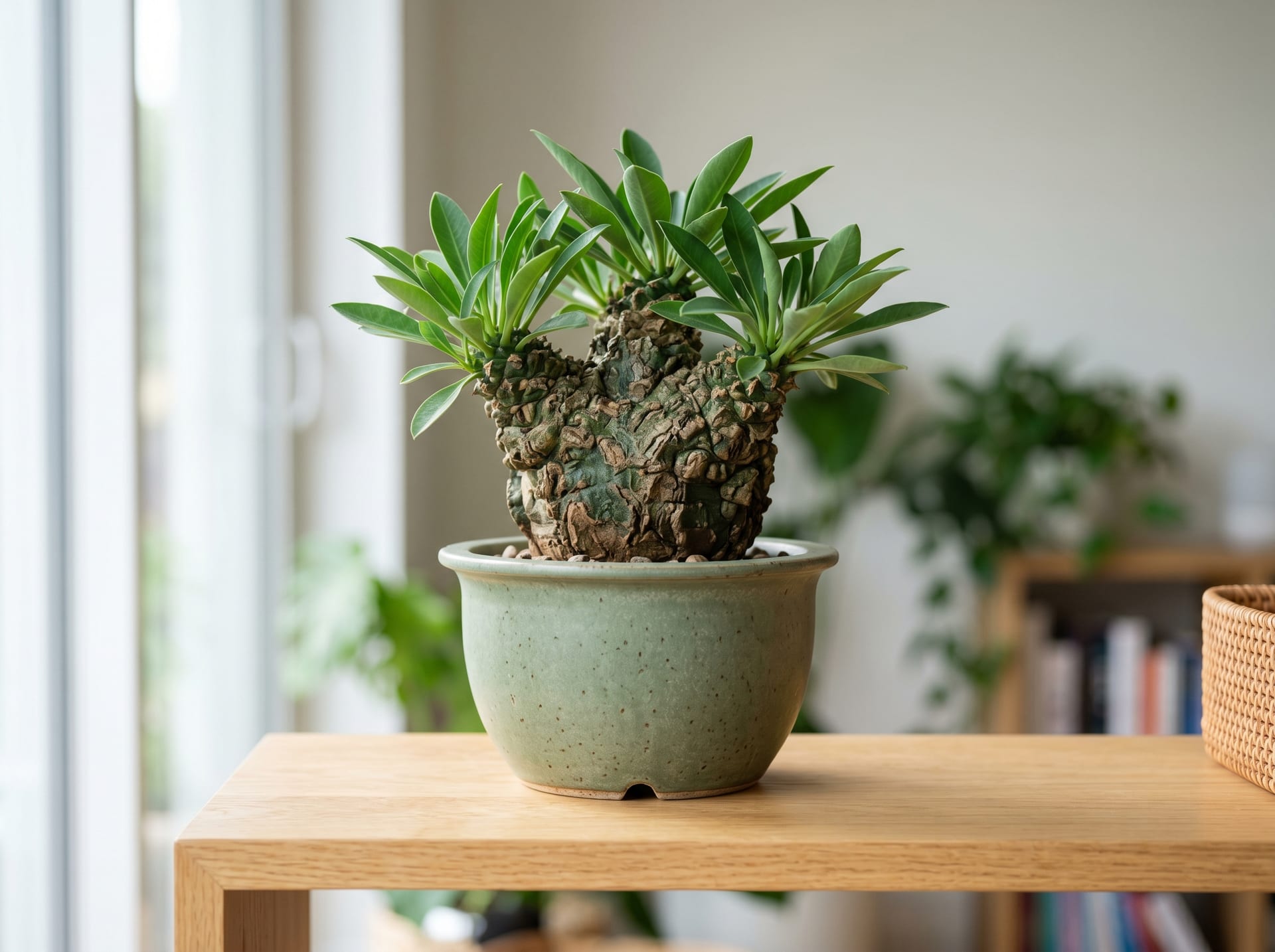
大戟(塊根)
Euphorbia (caudex types) are succulent plants native to Africa and Madagascar that store water and nutrients in swollen stems or roots, captivating collectors with their striking sculptural forms. Their drought tolerance and slow growth make them manageable even for busy plant owners. Since traits like spines and the presence of toxic white latex vary by species, it is advisable to learn each variety's characteristics before you begin growing.
前 3 筆銷售免佣金!於2026年8月31日前登記生產者→前3筆成交的手續費免費!
栽培者 招募中!
在 ボタちょく 上架,直接銷售給全國的客戶吧!
ボタちょく承諾的 6 項透明性重點
塊根植物上架時栽培者會明確標示以下資訊。確保品種、產地、光照需求、栽培難度的透明度。
- 品種標示
- 實物照片
- 色澤
- 產地標示
- 光照需求
- 難度標示
Browse all 14 varieties
塊根植物分類正在招募認證栽培者
栽培者正在陸續註冊,即將上架。設定上架通知,不錯過新商品。
「接收上架通知」需免費註冊會員即可設定。當有符合您儲存條件的新商品上架時,我們會以郵件和站內通知提醒您。
已註冊的栽培者(搶先看)
關於大戟(塊根)
The genus Euphorbia is one of the largest in the plant kingdom, encompassing more than 2,000 species. Among these, caudex-forming types evolved in the harsh, arid landscapes of southern Africa and Madagascar, developing dramatically swollen trunks or underground storage organs to survive prolonged droughts. Though they closely resemble cacti in appearance, euphorbias belong to the family Euphorbiaceae — an entirely unrelated lineage. Their defining appeal lies in the sculptural contrast between the swollen caudex and the delicate branches or leaves that emerge from it; shapes range from globular and columnar to intricate coral-like forms depending on the species. Care is surprisingly straightforward given good drainage and ample sunlight, though the milky latex sap requires careful handling. Because growth is slow — some specimens develop over decades — older plants command considerable admiration among collectors, making caudex euphorbias a rewarding long-term commitment.
販售大戟(塊根)的精選生産者
查看所有販售大戟(塊根)的生産者清單(1件)→開始照料大戟(塊根)前需要了解的7件事
1Beware of Toxic Latex
Nearly all Euphorbia species exude a white latex sap when cut or damaged. This sap can irritate skin and mucous membranes, and may cause inflammation if it contacts the eyes. Always wear gloves and eye protection when handling, and keep plants out of reach of children and pets.
2Bright Light and Airflow
Caudex euphorbias thrive in strong sunlight and grow vigorously under direct sun outdoors. When growing indoors, place them in the brightest spot available, such as a south-facing windowsill. Poor air circulation encourages excess moisture and root rot, so ensure good ventilation around your plants.
3Water Only After Soil Dries
During the growing season (spring to autumn), water thoroughly only after the soil has dried out completely and a few more days have passed. In the dormant period (winter), withhold water almost entirely or give a small amount once a month. Overwatering is the leading cause of root rot, so restraint is the key to long-term success.
4Keep Above 10°C in Winter
Most caudex euphorbias originate from tropical or subtropical regions and are sensitive to cold and frost. During winter, keep them in an indoor location that stays above 10°C, and guard against cold drafts near windows. Some species can tolerate down to around 5°C, but always verify the cold tolerance for your specific variety beforehand.
5Drainage Is Everything in Soil
Start with a commercial succulent or cactus mix and add 20–30% pumice, coarse sand, or perlite to improve drainage. Avoid heavy clay-based soils, which promote root rot. Always use a pot with drainage holes and place a layer of gravel at the bottom to further aid water flow.
6Growth Is Slow—Be Patient
Many caudex euphorbias grow only a few centimeters per year, and building a thick, impressive trunk can take years to decades. Forcing growth with excess fertilizer or water often distorts the plant's shape or damages its roots. The joy of these plants lies in the slow, patient process of nurturing them over time.
7Rare Species Vary Widely in Price
Caudex euphorbias range from widely available, affordable species to rare specimens that can cost tens of thousands of yen. When purchasing from breeders or specialty stores, check the plant's health—root condition and any wounds—and request phytosanitary certificates for imported plants. Beginners are advised to start with hardy, commonly available species to minimize the risk of early failure.
大戟(塊根)的常見問題
- Q.How are caudex euphorbias different from cacti?
- A.Despite looking similar, euphorbias belong to the family Euphorbiaceae while cacti belong to Cactaceae — completely unrelated families. The most reliable distinguishing feature is the milky white latex sap that euphorbias produce when cut, which is toxic and absent in true cacti. Their spine structures also differ fundamentally.
- Q.Can beginners successfully grow caudex euphorbias?
- A.With the basics in place, they are quite manageable for beginners. The three key rules are: avoid overwatering, provide plenty of light, and bring the plant indoors for winter. The one important caveat is the toxic sap — familiarize yourself with safe handling before you start.
- Q.How often should I water my euphorbia?
- A.During the growing season (spring–autumn), watering roughly every two to three weeks — only once the soil has dried out completely — is a reasonable guideline. In winter dormancy, once a month or less is sufficient, and many species tolerate complete drought. Err on the dry side and you will avoid most common problems.
- Q.What should I do if sap gets on my skin?
- A.Rinse the affected area thoroughly with plenty of water immediately. If redness or irritation develops, consult a dermatologist. If sap enters the eyes, this is more serious — rinse with running water at once and seek medical attention. Wearing gloves and protective eyewear during handling is the most effective prevention.
- Q.Which species are subject to CITES regulations?
- A.Many euphorbia species are listed under CITES Appendix I or II, requiring permits for international trade of wild-collected specimens. When purchasing, confirm the plant is nursery-grown from seed or cuttings, and buy from a reputable source. If in doubt, ask the seller about the plant's origin and documentation.