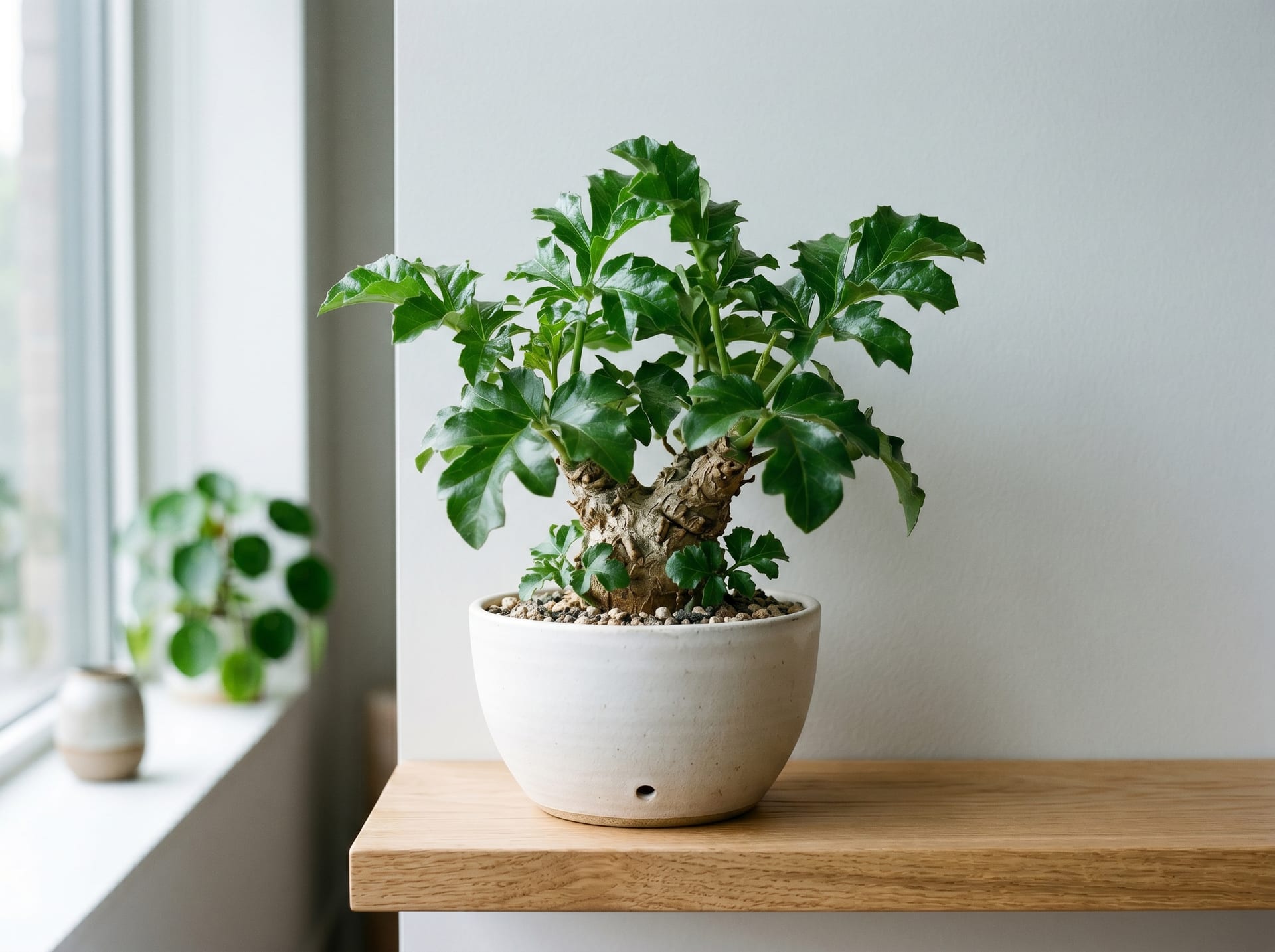
葡萄甕
Cyphostemma is a caudiciform plant native to Madagascar, prized for its dramatically swollen trunk that stores water and nutrients. Belonging to the grape family, it produces trailing vines in summer and drops its leaves in winter, following a distinct seasonal growth cycle. Its sculptural form makes it a highly sought-after specimen among succulent collectors.
前 3 筆銷售免佣金!於2026年8月31日前登記生產者→前3筆成交的手續費免費!
栽培者 招募中!
在 ボタちょく 上架,直接銷售給全國的客戶吧!
ボタちょく承諾的 6 項透明性重點
塊根植物上架時栽培者會明確標示以下資訊。確保品種、產地、光照需求、栽培難度的透明度。
- 品種標示
- 實物照片
- 色澤
- 產地標示
- 光照需求
- 難度標示
Browse all 14 varieties
塊根植物分類正在招募認證栽培者
栽培者正在陸續註冊,即將上架。設定上架通知,不錯過新商品。
「接收上架通知」需免費註冊會員即可設定。當有符合您儲存條件的新商品上架時,我們會以郵件和站內通知提醒您。
已註冊的栽培者(搶先看)
關於葡萄甕
Cyphostemma belongs to the family Vitaceae and is native primarily to the dry scrublands and rocky outcrops of Madagascar. The genus name derives from Greek words meaning "swollen stalk," a fitting description for its most distinctive feature: a dramatically thickened caudex at the base, ranging in shape from a rounded vase to a stout barrel. The bark presents in pale grey-green tones, developing a rough, corky texture as the plant matures — giving each specimen the appearance of a miniature sculpture. In spring, slender vines emerge and grow vigorously, bearing leaves reminiscent of a grapevine; by late summer, small grape-like berries may appear. Come winter, the foliage drops cleanly away, returning the plant to its elemental, architectural form. Growth is slow, and developing a truly impressive caudex takes many years of patient cultivation — which is precisely what makes a well-grown specimen so prized. High rarity and the unique character of each individual plant have earned Cyphostemma an enthusiastic following among collectors worldwide.
開始照料葡萄甕前需要了解的7件事
1Summer-Growing Caudex
Cyphostemma is a summer grower that goes fully dormant and drops its leaves in winter. During dormancy, watering should be reduced to almost nothing, requiring a clear shift in care between growing and dormant seasons. Understanding this seasonal rhythm is the key to successful cultivation.
2Needs Full Sun
During the growing season, Cyphostemma thrives in full direct sunlight and will etiolate in low-light conditions. Outdoor summer cultivation is ideal; if grown indoors, place it in the sunniest south-facing window available. Insufficient light also reduces the quality and size of the caudex over time.
3Watering Discipline Matters
Water freely during the growing season once the soil dries out, then gradually reduce watering as leaves drop in autumn, cutting back to near-zero through winter dormancy. Overwatering is the primary cause of root rot, so well-draining soil and disciplined timing are essential. Resume light watering in spring once new growth appears.
4Use Fast-Draining Soil
A highly draining mix of cactus/succulent soil combined with pumice or coarse sand works well. Standard potting soil retains too much moisture and significantly increases the risk of root rot. Use a pot with drainage holes and add a layer of gravel at the bottom to ensure excess water escapes quickly.
5Cold Sensitivity in Winter
Even during dormancy, Cyphostemma is relatively cold-sensitive and generally prefers temperatures above 5°C. Frost or freezing conditions can seriously damage the plant, so move it indoors to a warm location for winter. Even in mild climates, outdoor overwintering carries risk and indoor storage is the safer standard.
6Slow Growth, Long Reward
Cyphostemma grows very slowly, and developing an impressive caudex can take many years or even decades. Patience is essential—appreciating the subtle annual changes in even a small specimen is part of the joy of growing this plant. It suits growers who prefer a long-term relationship with their plants over quick results.
7Availability and Price Range
Cyphostemma is available through specialist succulent shops, caudex plant dealers, and auction platforms, but is rarely found in general garden centers. Prices vary widely depending on size and species—small seedlings may cost a few thousand yen, while large specimens with well-developed caudexes can exceed tens of thousands of yen. Purchasing from a reputable seller is strongly recommended.
葡萄甕的常見問題
- Q.Can beginners grow Cyphostemma successfully?
- A.Cyphostemma is manageable for beginners once you grasp the key principle of minimal watering. That said, root rot from overwatering and cold damage in winter are real risks, so some prior experience with succulents or cacti is a helpful foundation before starting.
- Q.Should I stop watering completely in winter?
- A.Near-complete water withdrawal is recommended during winter dormancy. In very dry indoor environments, a tiny amount of water once or twice a month may be acceptable. The combination of cold temperatures and wet soil poses the greatest risk of root rot, so err on the side of dryness.
- Q.Is it better to grow indoors or outdoors?
- A.Outdoors in a sunny spot is ideal from spring through autumn. However, the plant must be brought inside before cold weather arrives, making year-round outdoor cultivation impractical in most parts of Japan. Indoor growing is feasible as long as sufficient light is provided.
- Q.Will the caudex grow large quickly?
- A.Growth is very slow — it can take many years before the caudex becomes impressively thick. Consistent, appropriate care is the key. Excessive fertilizing or watering in an attempt to speed growth typically leads to root rot or weak, stretched stems rather than a robust caudex.
- Q.What soil and pot should I use?
- A.Drainage is the top priority. A cactus or succulent mix blended with pumice or perlite is a popular choice. Terracotta pots or shallow containers offer good airflow and drainage. Always ensure adequate drainage holes and never let water pool in a saucer beneath the pot.