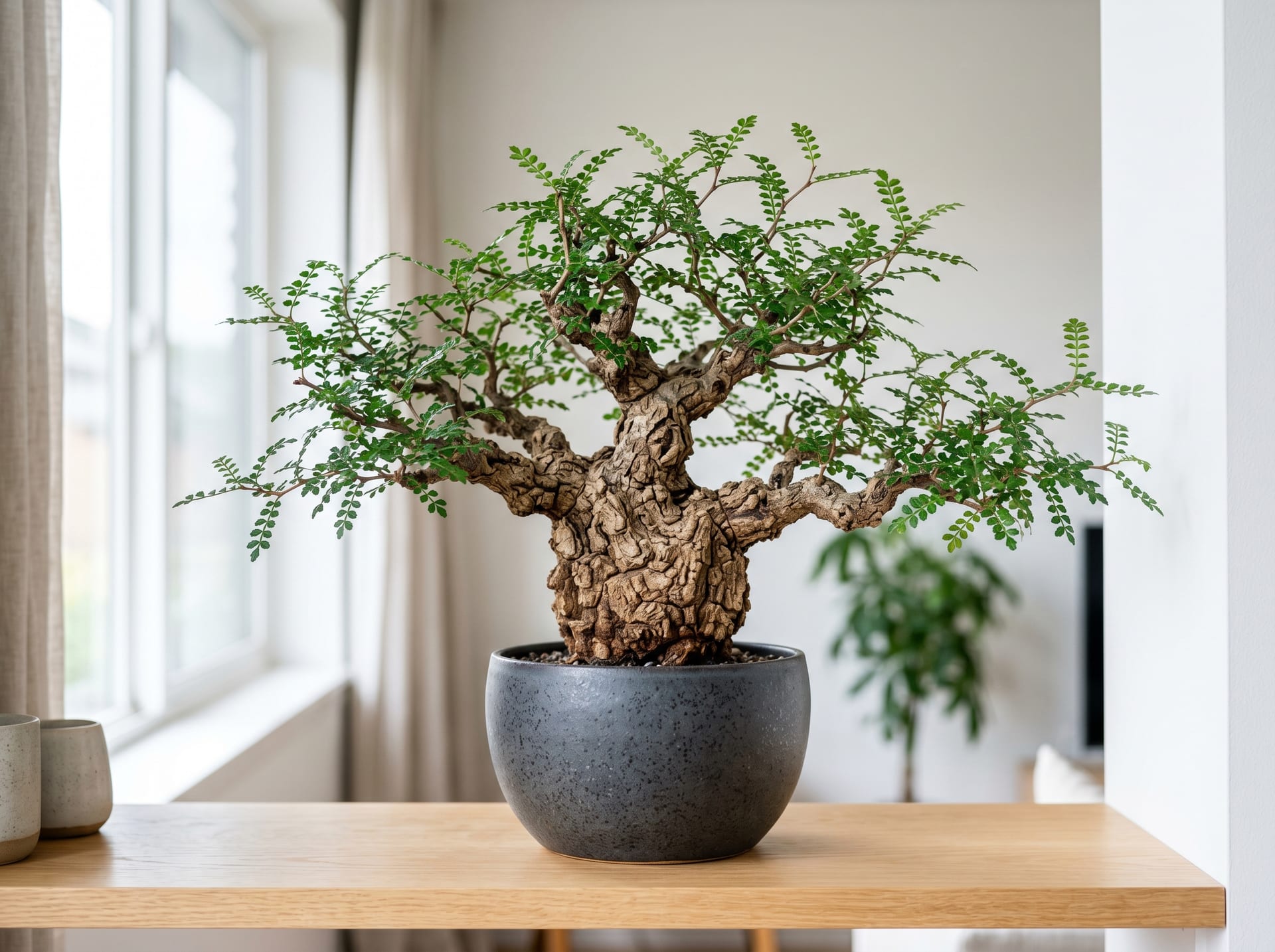
琉桑
Operculicarya is a caudiciform succulent native to Madagascar, prized for the striking contrast between its swollen, caudex-like trunk base and delicate feathery leaves. Growth is extremely slow, making it a favorite among collectors who appreciate bonsai-like sculptural beauty developed over many years.
前 3 筆銷售免佣金!於2026年8月31日前登記生產者→前3筆成交的手續費免費!
栽培者 招募中!
在 ボタちょく 上架,直接銷售給全國的客戶吧!
ボタちょく承諾的 6 項透明性重點
塊根植物上架時栽培者會明確標示以下資訊。確保品種、產地、光照需求、栽培難度的透明度。
- 品種標示
- 實物照片
- 色澤
- 產地標示
- 光照需求
- 難度標示
Browse all 14 varieties
塊根植物分類正在招募認證栽培者
栽培者正在陸續註冊,即將上架。設定上架通知,不錯過新商品。
「接收上架通知」需免費註冊會員即可設定。當有符合您儲存條件的新商品上架時,我們會以郵件和站內通知提醒您。
已註冊的栽培者(搶先看)
關於琉桑
Operculicarya is a caudex-forming shrub in the family Anacardiaceae, native to the arid regions of Madagascar. The genus name derives from the Latin word for "lid" (operculum), a reference to the plant's distinctive fruit caps. In its natural habitat it grows as a multi-stemmed shrub, its base slowly swelling over decades into a richly textured caudex. Most species bear pinnate compound leaves whose delicate, feathery foliage creates a striking visual contrast with the rugged trunk. Because growth is exceptionally slow, mature specimens developed over many years are prized by collectors and can command significant prices. Operculicarya drops its leaves and rests through winter, then flushes fresh growth each spring — offering a seasonal rhythm that adds another dimension to its appeal. It is ultimately a plant for those who find satisfaction in the long game, rewarding patience with a one-of-a-kind sculptural form.
開始照料琉桑前需要了解的7件事
1Needs Strong Light
Operculicarya thrives in strong, direct sunlight. Outdoors, a south-facing position is ideal; indoors, supplemental grow lights are recommended. Insufficient light leads to etiolation and weakened growth.
2Root Rot Risk
The caudex is highly susceptible to rot from excess moisture. Use a coarse, well-draining mix with plenty of pumice or grit, and ensure the pot has adequate drainage to prevent waterlogging.
3Winter Dormancy Care
Operculicarya drops its leaves and enters dormancy when temperatures fall below 10°C. During this period, withhold almost all water and keep the plant in a bright indoor spot above 5°C. Resume watering gradually once new growth appears in spring.
4Very Slow Grower
Visible caudex development takes years to decades. Approach cultivation with patience and a long-term mindset focused on shaping the silhouette over time. Avoid over-fertilizing, as excessive nutrients cause weak, elongated growth.
5Prune for Bonsai Form
Branches can be pruned relatively freely to achieve a desired silhouette, which is one of the plant's great appeals. Prune during the growing season (spring to summer) and allow cut surfaces to dry before watering. Wire training is also possible for branch positioning.
6Soil and Pot Selection
Shallow bonsai-style pots visually accentuate surface roots and enhance ornamental value. Mix commercial succulent soil with 20–30% pumice to improve drainage. Terracotta pots promote airflow around the roots, reducing rot risk.
7Rare and Costly
Species such as O. pachypus and O. decaryi are available but remain relatively scarce. Mature specimens often command prices of tens of thousands of yen or more. When purchasing, check root condition and firmness of the caudex to ensure plant health.
琉桑的常見問題
- Q.How long does it take for the caudex to thicken?
- A.It varies by individual and growing conditions, but visible caudex development typically takes 5 to 10 or more years. The longer you grow a seedling-raised plant, the thicker and more characterful the base becomes.
- Q.Does it need to come indoors for winter?
- A.In most parts of Japan, yes. Leaves drop and the plant goes dormant below 5°C, but prolonged cold or frost can cause lasting damage. Move it to a bright indoor location before nighttime temperatures approach that threshold.
- Q.What is the difference between seedling and cutting stock?
- A.Seedling-grown plants develop a proper swollen caudex, which is what collectors value most. Cutting-grown plants rarely produce a thick base. If you want the classic caudex aesthetic, always choose a seedling specimen.
- Q.How often should I water it?
- A.During the growing season, water thoroughly a few days after the soil has fully dried out — roughly once or twice a week. In dormancy (winter), withhold water almost entirely, giving a very small amount at most once a month.
- Q.Is it suitable for beginners?
- A.Yes, it is relatively forgiving as long as you provide strong light, avoid overwatering, and protect it from frost. The main adjustment for beginners is accepting its extremely slow pace of change — progress is measured in years, not weeks.